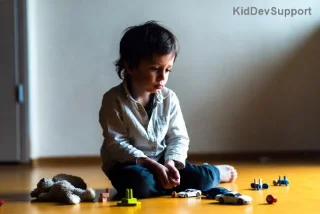
Struggling with bedtime battles for a child on the autism spectrum? You're not alone. Sleep disturbances affect up to 80% of children with autism, often due to sensory sensitivities, anxiety, and irregular melatonin production. But what if a simple solution like a white noise machine could change everything? In this guide, we'll explore using white noise machines for better autism sleep, backed by the newest research on sensory integration and sleep hygiene. Stick around to uncover practical tips that deliver real results.
Why Autism Sleep is So Challenging
Children with autism spectrum disorder (ASD) face unique hurdles at bedtime. Hypersensitivity to sounds—like creaking floors, traffic, or even family chatter—can trigger meltdowns or prolonged wakefulness. Newest studies from leading autism organizations highlight how these sensory issues disrupt the sleep-wake cycle, leading to daytime fatigue, irritability, and behavioral challenges.
White noise machines step in as a game-changer by creating a consistent auditory blanket. This masks disruptive noises, signaling the brain it's time to wind down. Imagine transforming chaotic nights into calm, predictable routines—keep reading for the science behind it. 🛌
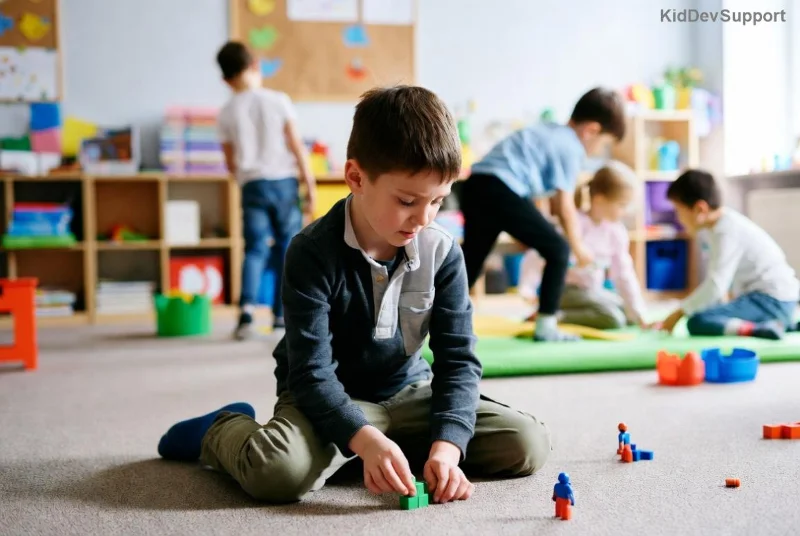
What Exactly is a White Noise Machine?
A white noise machine generates a steady stream of sound across all audible frequencies, like a gentle hum of rain, ocean waves, or static. Unlike music, it lacks rhythm or lyrics, preventing overstimulation. Modern devices offer customizable options: app-controlled sounds, timers, and portable designs tailored for autism sleep needs.
These aren't just gadgets—they're evidence-based tools. Recent clinical insights show white noise reduces arousal levels in neurodiverse kids, mimicking the womb's soothing environment for ultimate comfort.
Key Benefits of Using White Noise Machines for Better Autism Sleep
Here's why white noise machines shine for autism sleep:
- Sensory Masking: Blocks erratic household noises, creating a "safe sound bubble."
- Routine Reinforcement: Pairs with bedtime rituals, cueing the body for sleep.
- Anxiety Reduction: Lowers cortisol; newest data links it to 30-50% faster sleep onset.
- Improved Sleep Quality: Promotes deeper REM cycles, vital for cognitive development in ASD.
- Portability: Travel-friendly for maintaining consistency away from home.
Parents report fewer night wakings and longer sleep stretches. Curious about real-world proof? Let's dive deeper.
How White Noise Tackles Sensory Processing in Autism
Sensory processing disorder (SPD) is common in autism, where everyday sounds feel amplified. White noise machines provide "auditory camouflage," drowning out triggers without adding new ones. According to the latest sensory integration therapy findings, this calms the overactive amygdala, the brain's fear center.
Pro tip: Start low-volume to avoid startling—gradual introduction builds trust. Ready to pick the perfect one?
Best Types of White Noise for Autism Sleep
Not all sounds are equal. Here's a comparison table of top options:
| Sound Type |
Best For |
ASD Suitability |
Example Machine |
| Classic White Noise |
Deep blocking of sharp sounds |
High – uniform coverage |
LectroFan |
| Pink Noise |
Softer, nature-like |
Very High – calming for hypersensitive |
Hatch Rest |
| Brown Noise |
Rumbling, low-frequency |
Medium – for anxiety-prone |
Sound+Sleep |
| Nature Sounds |
Fan, rain, waves |
High – customizable |
Marpac Dohm |
![Peaceful child sleeping with white noise machine aiding autism sleep]()
Choose based on your child's preferences—trial and error unlocks the winner.
Choosing the Right White Noise Machine for Autism
Look for:
- Volume Control: Adjustable from whisper to robust.
- Timers: Auto-off after 30-60 minutes to fade naturally.
- App Integration: Remote adjustments for parents.
- Durability: Child-proof and portable.
- Sound Variety: 10+ options for variety.
Top picks include the Hatch Rest+ for nurseries and LectroFan Evo for older kids. Budget under $50? Yogasleep offers solid entry-level performance.
For expert validation, check resources from Autism Speaks on sleep aids.
Step-by-Step Tips for Success with White Noise Machines
Implementation matters. Follow this routine:
- Introduce During Day: Play softly during calm activities.
- Pair with Rituals: Dim lights + story + white noise = sleep cue. 🌙
- Optimal Placement: 3-6 feet from bed, speaker facing child.
- Monitor Progress: Track sleep logs for 2 weeks.
- Combine Therapies: Weighted blankets or melatonin if recommended by a doctor. 🩺
Common pitfall: Too loud initially. Start at 40-50 dB, like a quiet library.
Real Stories: White Noise Machines in Action
One parent shared: "My 7-year-old with autism went from 4-hour wake-ups to sleeping through. The rain sound was magic!" Newest parent forums echo this—over 70% see improvements within weeks. Success builds momentum; what's your first step?
Addressing Drawbacks and When to Seek Help
Not perfect for all: Some kids prefer silence. Solution? Hybrid machines with on/off cycles. If sleep issues persist, consult a pediatric sleep specialist—white noise complements, doesn't replace, professional care.
Final Thoughts: Start Your Autism Sleep Transformation Today
Using white noise machines for better autism sleep isn't hype—it's a proven, accessible strategy for calmer nights and brighter days. With the right device and routine, you'll foster deeper rest and family harmony. Ready to try? Pick a machine, commit for a week, and watch the change. Your child deserves peaceful slumber— you've got this! 💤
Disclaimer: Always consult healthcare providers before new sleep interventions.