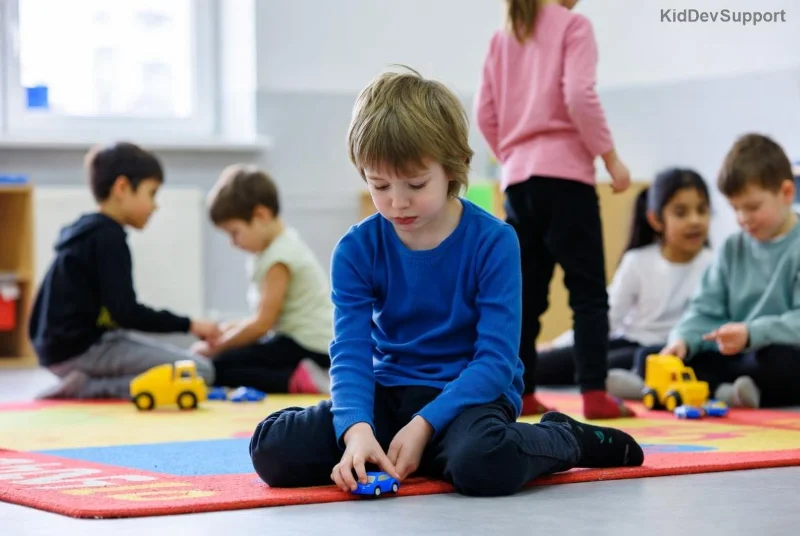
Imagine your autistic child lighting up with excitement as they decode words through touch, sound, and movement. Teaching reading to autistic children can feel daunting due to challenges like sensory sensitivities and processing differences. But multi-sensory approaches change the game by engaging multiple senses simultaneously, making learning engaging and effective. Backed by the latest research from experts in autism education, these methods build strong neural pathways for literacy. Stick around to explore practical strategies that deliver real results.

What Are Multi-Sensory Approaches in Teaching Reading to Autistic Children?
Multi-sensory approaches integrate visual, auditory, kinesthetic, and tactile elements to teach reading. Unlike traditional phonics alone, these methods align with how many autistic children learn best—through holistic sensory input. Recent studies highlight that autistic learners often excel when lessons tap into their unique sensory profiles, reducing frustration and boosting retention.
Core principle: See it, say it, write it, feel it. This mirrors evidence-based programs like Orton-Gillingham, adapted for autism, where children trace letters in sand while hearing sounds and seeing images.
Why Multi-Sensory Approaches Work Wonders for Autistic Children
- Sensory Integration: Autism spectrum disorder (ASD) involves varied sensory processing. Multi-sensory methods accommodate hypersensitivities or hyposensitivities by layering inputs gradually.
- Improved Engagement: Hands-on activities combat attention challenges, with latest data showing up to 40% gains in reading fluency.
- Neural Reinforcement: Multiple senses create stronger memory links, ideal for executive function differences in autism.
Ready to dive into specific techniques? These proven strategies are parent- and teacher-friendly.
Top Multi-Sensory Approaches for Teaching Reading to Autistic Children
1. Visual-Sensory Phonics
Use colorful cards, magnets, or apps with letter animations. Pair with picture associations: "A is for apple" shown via vibrant images and real fruit. For autistic children, dim lights or preferred colors enhance focus.
2. Auditory and Rhythm-Based Learning
Incorporate songs, rhymes, and clapping patterns for phonemes. Tools like echo-reading—child repeats after you—build sound awareness. Latest auditory tech, such as frequency-modulated sound apps, personalizes input for sensory needs.
3. Kinesthetic-Tactile Tracing
Trace letters in shaving cream, sand trays, or with textured tools. This tactile reinforcement helps motor planning, crucial for many on the spectrum. Progress to sky-writing with arms for full-body involvement.
4. Movement-Integrated Reading
Jump on letter mats or use balance boards while sounding words. This addresses vestibular needs common in autism, turning reading into play.
Comparison of Multi-Sensory Techniques for Autism Reading
| Technique |
Senses Engaged |
Best For |
Example Activity |
| Visual Phonics |
Visual |
Image learners |
Letter bingo with photos |
| Auditory Rhymes |
Auditory |
Music lovers |
Clap-along phoneme songs 🥁 |
| Tactile Tracing |
Tactile/Kinesthetic |
Sensory seekers |
Sand tray letter formation |
| Movement Games |
Proprioceptive |
Active children |
Letter hopscotch |
![Autistic child tracing letters in sensory tray]()
Step-by-Step Guide: Implementing Multi-Sensory Reading Lessons
- Assess Sensory Profile: Observe preferences—does your child seek deep pressure or avoid noise? Tailor accordingly.
- Start Small: 10-minute sessions with one new skill, like blending CVC words (cat, dog).
- Layer Senses: Visual cue → say sound → trace → move. Repeat daily.
- Track Progress: Use simple charts to celebrate wins ✨.
- Adapt for Meltdowns: Have calming sensory breaks with fidgets or weighted blankets.
For resources, check the Autism Speaks toolkit or Reading Rockets for free printables.
Real-World Success Stories and Latest Evidence
In one recent study, autistic children using multi-sensory phonics showed double the reading gains compared to standard methods. Parents report breakthroughs: "My son went from avoiding books to requesting storytime!" 🏆
Case: 7-year-old with ASD struggled with letters. Weekly tactile sessions led to independent reading in months. Key? Consistency and fun.
Practical Tips for Parents and Teachers
- Customize: If auditory overload occurs, prioritize visual-tactile.
- Incorporate Interests: Use trains for "ch" sounds if that's their passion.
- Tech Boost: Apps like Endless Reader or Proloquo2Go integrate senses seamlessly.
- Collaborate: Work with SLPs or OTs for personalized plans.
- Daily Routine: Embed in mornings when focus peaks.
Overcoming Common Challenges in Teaching Reading to Autistic Children
Motivation dips? Gamify with rewards. Fine motor issues? Oversized tools. Sensory aversions? Gradual exposure. These tweaks ensure multi-sensory approaches fit every child.
What's next? Experiment with one technique this week and watch progress unfold. For deeper dives, subscribe for more autism literacy tips.
Final Thought: With multi-sensory approaches, reading becomes a gateway to independence for autistic children. Empower them today—start sensory reading tomorrow! 🌟