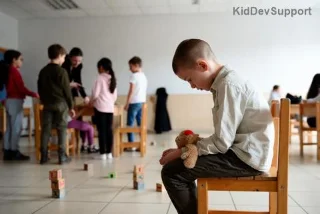
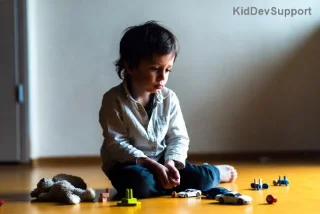
Imagine the daily battle: your autistic child melts down at the thought of school, tears streaming as the bus pulls up. School refusal in autistic children affects up to 50% of kids on the spectrum, turning mornings into war zones. But what if you could turn dread into delight? This guide delivers practical, research-backed solutions to help your child step confidently into the classroom. Stay with us to uncover the root causes and game-changing tactics that parents swear by.
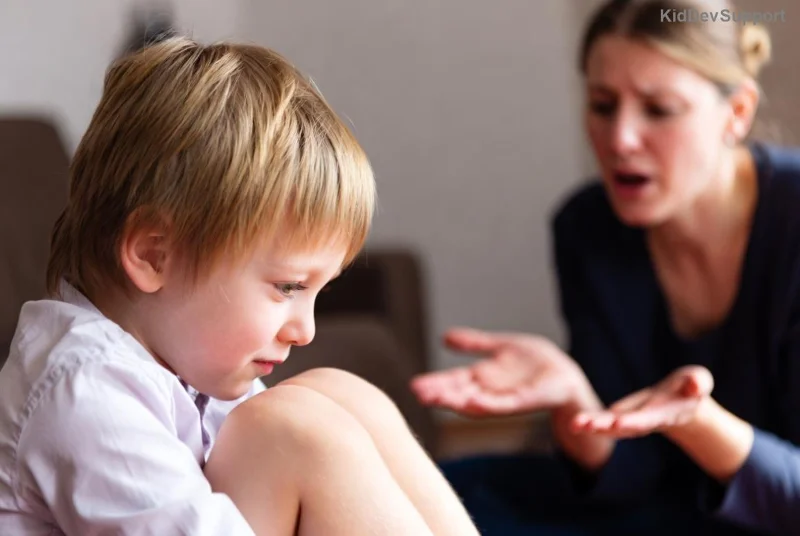
What is School Refusal and Why is it Common in Autistic Children?
School refusal isn't laziness—it's a intense aversion to attending school, often linked to overwhelming anxiety or sensory overload. For autistic children, this manifests as physical symptoms like stomachaches, headaches, or meltdowns. Recent studies highlight that sensory sensitivities, social demands, and routine disruptions amplify this issue, making school feel like an insurmountable hurdle.
Key triggers include:
- Sensory overload: Noisy hallways, bright lights, or scratchy uniforms.
- Social anxiety: Difficulty reading social cues or bullying fears.
- Routine changes: Unpredictable schedules clashing with autism's need for sameness.
- Executive functioning challenges: Struggles with transitions or organization.
Recognizing these early can prevent escalation. If your child dreads school, you're not alone—let's explore signs next.
Spotting the Signs of School Refusal in Autistic Children
Early detection is crucial. Watch for these red flags:
| Physical Signs |
Behavioral Signs |
Emotional Signs |
| Frequent illnesses (e.g., nausea) |
Tantrums at drop-off |
Extreme clinginess |
| Sleep disturbances |
Homework avoidance |
Panic attacks |
| Appetite changes |
Feigning sickness |
Irritability or withdrawal |
These symptoms often peak in elementary years but can persist without intervention. Curious how to address them? Proven strategies await.
Evidence-Based Strategies for Dealing with School Refusal in Autistic Children
Tackling school refusal autism requires a multi-pronged approach. The newest guidelines from leading autism organizations emphasize collaboration between parents, schools, and therapists. Here's your roadmap:
1. Build a Strong Home-School Partnership ✅
Schedule a meeting with teachers and administrators. Request accommodations like a quiet entry space or flexible arrival times. An Individualized Education Program (IEP) or 504 Plan can mandate sensory breaks or social skills support.
2. Use Visual Supports and Routines
Autistic children thrive on predictability. Create a morning routine chart with pictures: breakfast → brush teeth → backpack → high-five at door. Apps like Choiceworks offer customizable visuals.
3. Gradual Exposure Therapy
Start small: Visit school on weekends, then short drop-offs. Pair with rewards, like a favorite sticker after 10 minutes inside. Cognitive Behavioral Therapy (CBT) adapted for autism shows remarkable results in reducing anxiety.
4. Address Sensory Needs
Pack noise-canceling headphones, fidget tools, or weighted vests. Test uniforms for comfort. Occupational therapy can desensitize sensitivities over time.
![Supportive strategies for autistic children in school]()
5. Positive Reinforcement and Emotional Regulation
Celebrate small wins with a token economy: Earn stars for calm mornings, redeem for privileges. Teach coping skills like deep breathing via apps such as Calm or autism-specific tools like Autism Speaks resources.
| Strategy |
Implementation Tip |
Expected Outcome |
| Visual Schedules |
Laminate and use Velcro pics |
Reduces transition anxiety |
| Reward Systems |
5 stars = park trip |
Boosts motivation |
| Sensory Diet |
Swinging before school |
Improves regulation |
6. Professional Support
Consult a pediatric psychologist specializing in autism. Medications for co-occurring anxiety may be considered, but always under medical guidance. Family therapy strengthens parental coping too.
Implementing these consistently yields results—many families report full attendance within weeks. But what about long-term success?
Long-Term Prevention and Success Stories
Once in school, maintain momentum with peer buddy systems and extracurriculars matching interests, like robotics clubs for tech-savvy kids. Track progress in a journal to spot patterns.
Real parent story: "My 8-year-old with autism refused school for months. Visual schedules and therapy turned it around—he now loves science class!" Prevention tip: Annual IEP reviews ensure evolving needs are met.
When to Seek Urgent Help
If refusal leads to self-harm threats or severe depression, contact a crisis line immediately. Resources like the CDC Autism Page offer vetted referrals.
Your Action Plan: Start Today
- Assess signs using our table.
- Contact school for IEP discussion.
- Implement one visual tool this week.
- Book a therapy consult.
Dealing with school refusal in autistic children transforms lives. Your child deserves joy in learning—take the first step now. Share your story in comments below; together, we unlock brighter futures. For more tips, subscribe!