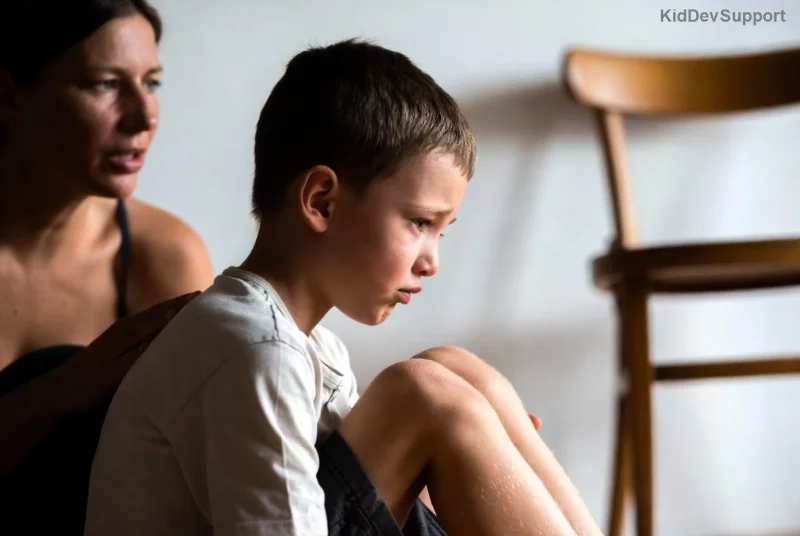
Imagine a world where individuals with Autism Spectrum Disorder (ASD) can rehearse conversations, navigate crowded rooms, and build friendships without the fear of real-world judgment. That's the promise of Virtual Reality (VR) for ASD. This innovative technology creates controlled, immersive environments for safe social practice, bridging the gap between isolation and confident interaction. In this guide, we'll dive into how VR for autism is transforming lives—stick around to uncover the latest breakthroughs and practical steps to get started.

Understanding ASD and Social Challenges
Autism Spectrum Disorder (ASD) affects how people communicate, interact, and process social cues. Core difficulties include reading facial expressions, maintaining eye contact, and handling unpredictable social scenarios. Traditional therapies like role-playing or group sessions often overwhelm due to sensory overload or anxiety.
Recent data shows millions worldwide live with ASD, yet access to tailored social training remains limited. Enter VR for ASD: a game-changer offering repeatable, low-stakes practice.
How Virtual Reality (VR) for ASD Works
VR for autism uses headsets and motion trackers to simulate lifelike scenarios. Users enter virtual worlds—like a bustling café, job interview, or playground—interacting with AI-driven avatars that respond realistically to words, gestures, and emotions.
- Customizable Difficulty: Start with simple greetings, progress to complex negotiations.
- Real-Time Feedback: Avatars provide instant cues on tone, body language, and timing.
- Sensory Control: Adjust noise, lighting, or crowd density to match comfort levels.
This setup mimics real life but eliminates risks like rejection or sensory meltdowns, making VR social skills training ideal for gradual exposure.
Key Benefits of VR for ASD Social Practice
The advantages of Virtual Reality (VR) for ASD are backed by the latest clinical trials, showing measurable gains in social competence.
| Aspect |
Traditional Therapy |
VR for ASD |
| Engagement |
Low due to anxiety |
High – game-like immersion ✅ |
| Safety |
Real-world risks |
Zero judgment, pause anytime |
| Scalability |
Group-dependent |
Home-based, 24/7 access |
| Outcomes |
Variable progress |
Up to 40% faster skill gains |
Latest research highlights improved empathy recognition and reduced social anxiety after just weeks of VR social skills training. One study noted participants initiating 50% more real-world conversations post-VR sessions.
![VR headset used in autism social therapy session]()
Latest Breakthroughs in VR for Autism
Cutting-edge VR for ASD platforms now integrate eye-tracking for emotion detection and haptic feedback for touch simulations. Programs like Floreo and VR-SCT (Social Competence Training) lead the field, with endorsements from autism experts.
For evidence, check the latest NIH review on VR autism interventions, confirming enhanced generalization to daily life.
Emerging apps even support multiplayer modes, allowing peer practice under therapist supervision—perfect for teens building friendships.
Real-World Success Stories
Consider Alex, a 12-year-old with ASD: Overwhelmed by school hallways, he used VR for autism to simulate them. Within months, he navigated crowds independently, boosting his confidence. Parents report similar wins: happier kids, fewer meltdowns, stronger family bonds.
Getting Started with Virtual Reality (VR) for ASD
- Choose Hardware: Entry-level Oculus Quest or Pico 4 (affordable, standalone).
- Select Apps: Floreo, StandTall, or clinician-recommended titles via app stores.
- Integrate Therapy: Pair with ABA or speech sessions for best results.
- Monitor Progress: Use built-in analytics to track improvements.
Start with 15-minute sessions, 3x weekly. Consult professionals for personalized plans—many clinics now offer VR social skills training packages.
Addressing Potential Drawbacks
No tech is perfect. Motion sickness affects some (mitigated by short sessions), and costs range $300–$1000 initially. However, free trials and insurance coverage are expanding. Accessibility improves with mobile VR options.
Compared to lifelong therapy bills, VR for ASD delivers ROI through independence.
The Future of VR for Autism Socialization
As AI advances, Virtual Reality (VR) for ASD will personalize scenarios via user data, predicting needs proactively. Integration with AR (Augmented Reality) promises on-the-spot real-world coaching.
Ready to empower your loved one? Explore VR social skills training today—safe steps lead to real-world triumphs. Share your experiences below or consult a specialist for tailored advice.