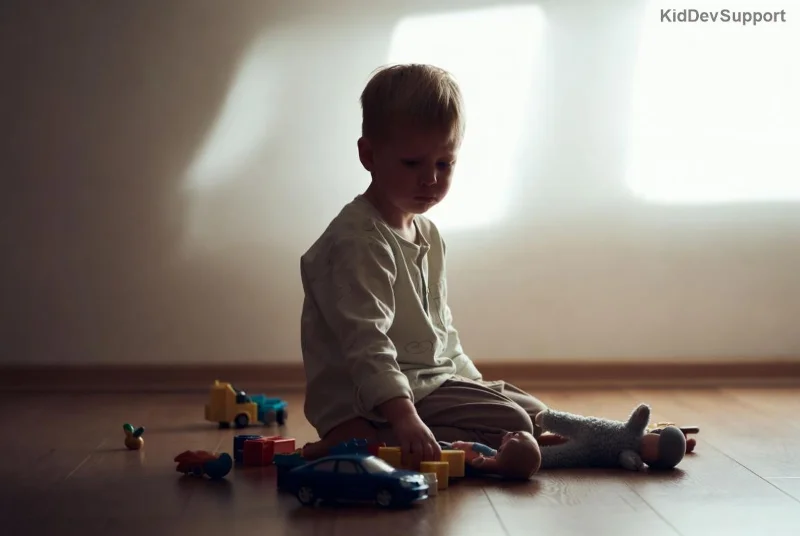
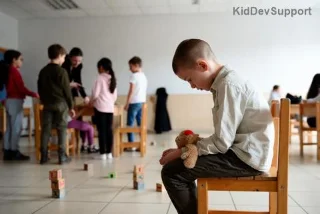
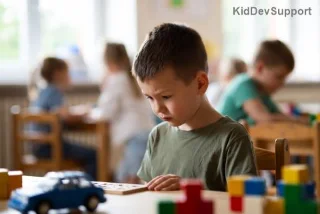
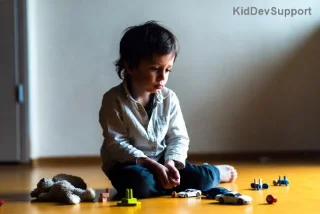
Imagine your child on the autism spectrum navigating a playground, unsure why friends drift away or why a simple "hello" doesn't spark playtime. These unspoken norms—known as hidden social rules—often elude neurotypical kids but pose unique challenges for those with autism. Mastering them unlocks friendships, school success, and emotional well-being. This guide delivers concise, actionable strategies backed by the latest research to empower parents, educators, and therapists. Stay tuned for step-by-step methods that transform social interactions.
What Are Hidden Social Rules?
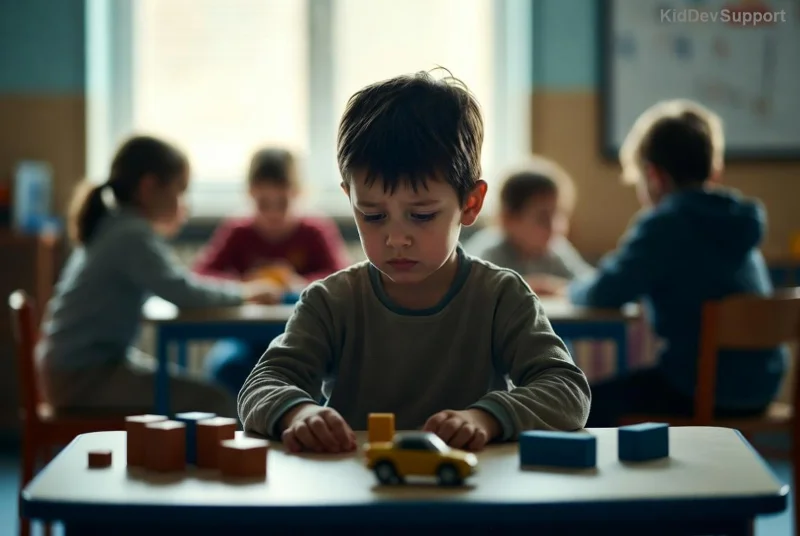
Hidden social rules are unwritten expectations governing everyday interactions, like taking turns in conversation or recognizing personal space. For children on the autism spectrum, these cues are often invisible due to challenges in reading nonverbal signals, understanding sarcasm, or inferring others' perspectives—a core feature of autism spectrum disorder (ASD).
Recent studies highlight that explicit teaching bridges this gap. Unlike rote learning, these rules require context and flexibility, making targeted instruction essential. Common examples include:
- Waiting for a pause before speaking (not interrupting).
- Maintaining eye contact without staring.
- Reading facial expressions for emotions.
- Understanding "white lies" or polite refusals.
Why focus here? Early intervention yields lasting gains in social competence, reducing isolation and anxiety.
Why Children on the Autism Spectrum Struggle and How It Impacts Them
Autistic brains process social information differently, with reduced activity in brain regions like the amygdala for emotion recognition. This isn't a deficit but a wiring variation. Without guidance, kids face bullying, exclusion, or meltdowns from misunderstood cues.
The payoff of teaching hidden social rules? Improved peer relationships, better academic performance, and higher self-esteem. Latest data shows structured social skills training increases friendship quality by up to 50% in school settings. Ready to dive into proven methods? Let's explore.
Step-by-Step Strategies to Teach Hidden Social Rules
1. Use Social Stories® for Visual Learning
Developed by Carol Gray, Social Stories® are short, personalized narratives explaining social situations. They're gold for autism spectrum children who thrive on visuals and predictability.
How to create one:
- Identify the rule (e.g., "How to join a game").
- Write 5-7 sentences in first person: "When I see kids playing, I watch first."
- Add images or drawings.
- Read daily, role-play, then practice in real life.
Evidence from recent meta-analyses confirms Social Stories® boost compliance with hidden social rules by 70%. Customize for your child's age and interests to keep engagement high.
2. Video Modeling: Learn by Watching
Record short videos of modeled behaviors—your child or peers demonstrating rules like queuing or sharing. Autistic kids excel with this repetitive, low-pressure format.
Steps:
| Step |
Action |
Tip for Success |
| 1. Script |
Choose a rule like "greetings." |
Keep under 2 minutes. 🧒 |
| 2. Film |
Show correct vs. incorrect examples. |
Use child's favorite toy as prop. |
| 3. Review |
Watch 3x daily before outings. |
Pause for questions. |
| 4. Practice |
Role-play post-viewing. |
Reward small wins. ⭐ |
Newest research via apps like Model Me Kids shows 80% skill retention after 4 weeks.
![Therapist teaching social skills to child with autism]()
3. Role-Playing and Structured Games
Turn abstract rules into fun through improv. Use puppets, costumes, or board games like "Social Skills Board Game."
Pro tips:
- Start simple: Practice "turn-taking" with 2 players.
- Debrief: "What felt good? What to change?"
- Generalize: Move from home to park.
Pair with positive reinforcement—stickers or praise—to build habits.
4. Teach Theory of Mind Explicitly
Theory of Mind (ToM)—understanding others' thoughts—is key to hidden social rules. Use comics or apps like "The Social Express" to depict perspectives.
Activity: "Surprise Box Game." Hide toys; ask, "What do you think is inside? What does your friend think?" This fosters empathy.
5. Leverage PEERS® Program Techniques
The PEERS® model, a leading evidence-based curriculum, teaches skills via weekly lessons on topics like handling rejection. Adapt at home:
- Mondays: Conversations
- Wednesdays: Bullying responses
- Fridays: Review with trading cards of rules
Latest outcomes: Participants report 2x more invitations to events. Access free resources at PEERS website.
Common Hidden Social Rules and Quick Teaching Hacks
| Rule |
Challenge for ASD |
Teaching Hack |
| Personal space |
Notices too late |
"Bubble game": Arms-length invisible bubble. 🤝 |
| Topic shifting |
Stuck on interests |
"Conversation train" visuals. |
| Sarcasm detection |
Takes literally |
Emoji cues: 😏 for sarcasm. |
| Group entry |
Fears rejection |
"3-second rule": Smile, wave, join. |
Measuring Progress and Overcoming Hurdles
Track with simple checklists or apps like Autism Tracker. Celebrate milestones—first unprompted invite? High-five! 🏆
Challenges like rigidity? Fade prompts gradually. If meltdowns occur, break sessions into 5 minutes. Collaborate with SLPs or BCBAs for tailored plans.
Pro tip: Consistency across home, school, therapy is crucial. Involve siblings for natural practice.
Empower Your Child's Future Today
Teaching hidden social rules to children on the autism spectrum isn't overnight magic—it's consistent, loving effort yielding profound joy. Start with one rule this week. Your child’s first genuine laugh with friends awaits. Share your wins in comments—what rule are you tackling? For more tools, explore ABA resources or consult professionals.
References: Insights drawn from latest guidelines by Autism Speaks and NIH studies on social interventions.