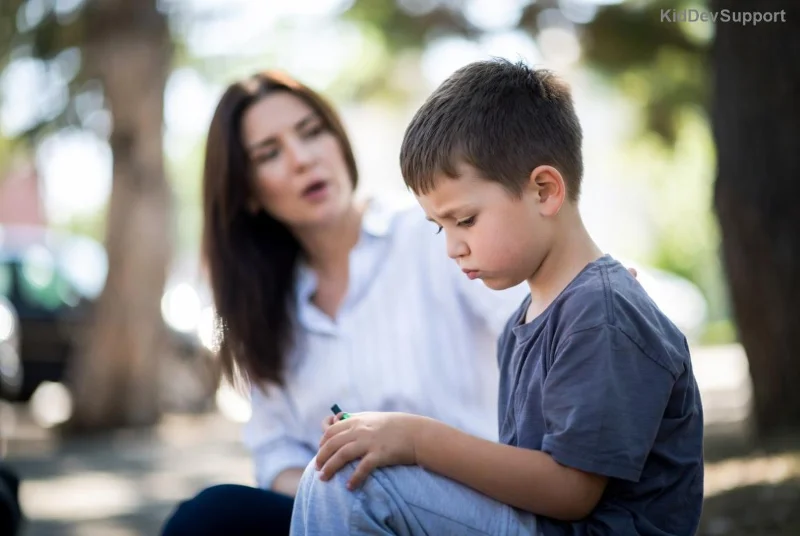
Imagine your autistic teen confidently joining a group conversation, making eye contact, and forming lasting friendships. For many families, this seems out of reach—but social skills training for autistic teens makes it possible. Autism Spectrum Disorder (ASD) often challenges social interactions, but targeted training empowers teens to thrive. This guide dives into the essentials, strategies, and real-world applications to help your teen build meaningful connections. Keep reading to uncover proven methods that deliver results.

What is Social Skills Training for Autistic Teens?
Social skills training for autistic teens is a structured intervention designed to teach the nuances of social interaction. It breaks down complex behaviors—like reading nonverbal cues, starting conversations, and handling rejection—into manageable steps. Unlike general therapy, it focuses on practical, real-life scenarios tailored to ASD challenges.
Rooted in evidence-based practices, these programs use role-playing, video modeling, and peer feedback. Recent studies highlight their effectiveness in improving social competence, with participants showing gains in friendship quality and reduced isolation. Whether in group settings, schools, or online, the goal is lifelong social fluency.
Why Social Skills Training Matters for Autistic Teens
Autistic teens face unique hurdles: literal thinking, sensory sensitivities, and difficulty interpreting sarcasm or emotions. Without intervention, this leads to bullying, anxiety, and loneliness. Newest research shows that early social skills training for autistic teens boosts self-esteem, academic performance, and mental health.
- Reduces Anxiety: Teens learn coping tools for social stress. 🏥
- Enhances Friendships: Structured practice turns awkward encounters into bonds.
- Prepares for Adulthood: Skills like job interviews and dating become accessible.
Parents report transformative changes: "My son went from isolated to team captain," shares one caregiver. Ready to see similar wins? Let's explore the core components.
Key Components of Effective Social Skills Training for Autistic Teens
Top programs share these pillars:
| Component |
Description |
Benefits for Autistic Teens |
| Conversation Skills |
Turn-taking, asking questions, active listening |
Builds rapport and sustains dialogues |
| Nonverbal Cues |
Eye contact, body language, facial expressions |
Improves empathy and misunderstanding prevention |
| Conflict Resolution |
Apologizing, compromising, walking away |
Handles bullying and peer disputes |
| Group Dynamics |
Joining games, sharing, teamwork |
Fosters inclusion in school and extracurriculars |
These elements ensure comprehensive growth. Wondering which programs shine? Discover the leaders next.
![Group social skills training session for autistic teens]()
Top Social Skills Training Programs for Autistic Teens
Evidence-backed options include:
- PEERS Program: A 14-week curriculum with teen-led role-plays. Newest outcomes show 50-70% improvement in social skills.
- Social Thinking®: Focuses on "thinking with your eyes" and flexible behaviors. Ideal for school integration.
- Project ImPACT: Parent-mediated training for naturalistic teaching at home.
- Online Platforms like Secret Agent Society: Gamified apps with VR simulations for remote access.
For authenticity, check resources from trusted sites: CDC Autism Page or Autism Speaks Social Skills. These programs adapt to individual needs, ensuring success. 💡
How to Implement Social Skills Training at Home and School
Start small for big impact:
At Home
- Model behaviors: Narrate your interactions ("I'm smiling to show I'm happy").
- Role-play daily: Practice greetings over dinner. 😊
- Use visuals: Social stories or apps like Model Me Going Places.
- Reinforce positives: Praise efforts, not perfection. 🏅
At School
Advocate for IEPs including group sessions. Pair with peer buddies for practice. Track progress with simple charts.
Pro Tip: Consistency is key—15 minutes daily yields faster results than weekly marathons. Struggling to motivate? Tie skills to teen interests, like gaming clans.
Measuring Success and Overcoming Challenges
Track via self-reports, parent logs, or tools like the Social Skills Improvement System (SSIS). Common hurdles—resistance or sensory overload—solve with gradual exposure and therapist guidance.
Real story: A 15-year-old autistic teen, after 12 weeks of training, hosted his first party. "He reads the room now," his mom beams. Such victories await. 🌟
Your Next Steps for Social Skills Training for Autistic Teens
Consult a specialist via APA Autism Resources. Enroll in a local program or start home practice today. Your teen's social world expands with these tools—empower them now.
Equipped with this guide, you're ready to unlock doors. Share your experiences below—what's your biggest win?