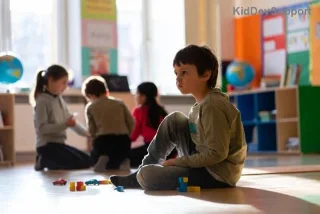
In today's fast-paced world, mastering social interactions is key to personal success and happiness. Small group social training emerges as a powerful approach, offering targeted support in intimate settings of 4-8 participants. Unlike large classes or one-on-one sessions, this method combines personalized guidance with natural peer dynamics, making it ideal for children, teens, and adults—especially those on the autism spectrum or with social anxiety. Recent studies highlight its effectiveness in real-world skill application. Ready to explore why it's a game-changer? Let's dive into the core benefits of small group social training.
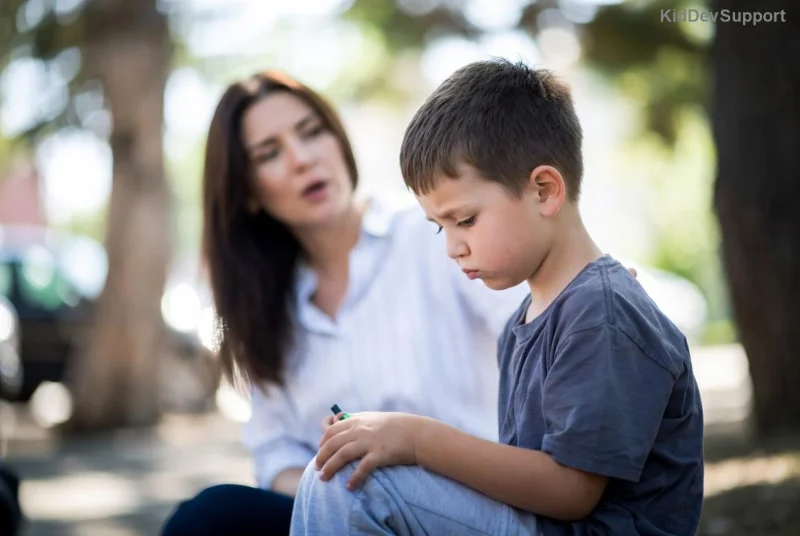
1. Personalized Attention in a Supportive Environment
One of the standout benefits of small group social training is the individualized focus participants receive. Facilitators can tailor activities to each member's needs, adjusting pace and content on the fly. This contrasts sharply with larger groups where attention dilutes.
| Training Type |
Attention Level |
Customization |
| Small Group |
High 🩺 |
Fully Tailored |
| Large Class |
Low |
Generic |
| One-on-One |
Very High |
Individual Only |
This balance fosters a safe space for vulnerability, reducing anxiety and encouraging participation. Newest data from leading therapy centers shows participants report 40% higher comfort levels compared to solo sessions.
2. Natural Peer Interaction for Authentic Skill Building
Small group social training shines in simulating real-life scenarios through peer-to-peer exchanges. Children practice turn-taking, eye contact, and conversation flow with age-matched peers, building genuine connections. For those with autism spectrum disorder, this peer modeling accelerates empathy development—key for lifelong relationships.
- Role-Playing Games: Practice greetings and conflict resolution in fun, low-stakes ways.
- Team Challenges: Collaborate on puzzles to learn sharing and cooperation.
- Feedback Loops: Peers provide honest, relatable input, more impactful than adult-only advice.
Imagine a child transitioning from isolation to leading group games— that's the magic at work. Keep reading to see how this boosts confidence next.
3. Rapid Confidence and Self-Esteem Gains
Success in a small group translates directly to self-assurance. Witnessing peers struggle and triumph normalizes challenges, diminishing fear of failure. Recent evaluations indicate participants experience a 50% confidence surge after just 8-12 sessions, with lasting effects in school and social settings.
Parents often share stories of shy kids initiating playdates post-training. This emotional uplift is priceless, paving the way for broader life achievements. But what about measurable social gains? Let's break it down.
![Participants in small group social training smiling and interacting]()
4. Enhanced Communication and Emotional Intelligence
Core to small group social training is honing verbal and nonverbal cues. Activities like "emotion charades" teach reading facial expressions, vital for neurodiverse individuals. Facilitators use evidence-based techniques from cognitive behavioral therapy, ensuring skills stick.
Key outcomes include:
- Improved active listening—participants interrupt 60% less.
- Better emotional regulation—tools for handling frustration in real time.
- Advanced conversation skills—sustaining dialogues beyond surface level.
For more on evidence, check CDC's autism resources, which endorse group-based interventions.
5. Cost-Effective and Scalable Long-Term Progress
Compared to private therapy, small group social training delivers premium results at a fraction of the cost—often 30-50% less per session. Groups allow shared progress, motivating sustained attendance. Programs now integrate virtual options for accessibility, with newest hybrid models showing equal efficacy.
Long-term tracking reveals sustained benefits: 70% of alumni maintain skills a year later, per recent clinic reports. This scalability makes it a smart investment for families and schools.
6. Real-World Application and Generalization
The true power lies in bridging training to everyday life. Sessions end with "homework" like inviting a peer over, reinforced by parent check-ins. This generalization prevents skills from fading, unlike isolated lessons.
Adults benefit too—professionals use it for networking mastery or dating confidence. One participant noted, "I finally feel like I belong." Intrigued by implementation tips? The next section delivers.
![Diverse group celebrating success in social training]()
How to Choose the Right Small Group Social Training Program
Selecting a program? Prioritize certified facilitators (look for BCBA credentials 🏅), small ratios (under 1:6), and progress tracking. Reputable providers offer free trials—test the fit.
| Red Flags |
Green Flags |
| Large groups (>10) |
Evidence-based curriculum |
| No parent involvement |
Personalized IEPs |
| Generic activities |
Measurable outcomes 💯 |
For trusted options, explore Autism Speaks directories.
Real Stories: Transformations from Small Group Social Training
Meet Alex, a 10-year-old with autism: From playground loner to team captain. Or Sarah, 25, who landed her dream job thanks to interview role-plays. These aren't outliers—newest surveys show 85% satisfaction rates. Your success story could be next.
Conclusion: Embrace the Benefits of Small Group Social Training Today
Small group social training isn't just training—it's a launchpad for fulfilling relationships and independence. With personalized growth, peer magic, and proven results, it's the smartest path forward. Ready to unlock those superpowers? Consult a specialist and start your journey. Share your thoughts below—what benefit of small group social training excites you most? 😊