Every family deserves clear, actionable knowledge about Autism Spectrum Disorder (ASD). Whether you're navigating early signs in your child or seeking long-term strategies, this guide cuts through the noise. Discover the latest information on autism, from recognition to thriving. Stay with us—your roadmap to empowerment starts here.
What is Autism Spectrum Disorder? Understanding the Basics
Autism is a neurodevelopmental condition affecting how individuals communicate, interact socially, and process the world. It's called a "spectrum" because it varies widely—no two people with autism are exactly alike. Some thrive independently; others need substantial support. According to the latest information from global health authorities, ASD impacts about 1 in 36 children worldwide, with rising awareness driving better detection.
Key facts:
- Autism is lifelong but not a disease—it's a different way of experiencing life 🧠.
- Genetic and environmental factors play roles, though causes aren't fully pinpointed.
- Strengths often include exceptional focus, creativity, and detail-oriented thinking.
Curious about early indicators? Let's dive into signs next.
Recognizing Autism Symptoms: From Toddlers to Teens
Spotting autism early can transform outcomes. Symptoms typically emerge by age 2-3, but can appear later. Here's a focused breakdown:
| Age Group |
Common Autism Signs |
Red Flags |
| 0-2 Years |
Limited eye contact, delayed babbling, no pointing or waving. |
No response to name by 12 months 😟. |
| 2-5 Years |
Repetitive behaviors (e.g., lining toys), intense interests, sensory sensitivities. |
Struggles with pretend play or peer interaction. |
| School Age+ |
Social challenges, literal thinking, executive function difficulties. |
Anxiety in unstructured settings. |
These aren't exhaustive—autism in girls often presents subtly, like masking behaviors. If you see patterns, consult a professional. Wondering about diagnosis? Read on for the next steps.
How is Autism Diagnosed? A Step-by-Step Global Process
Diagnosis involves developmental screenings, behavioral observations, and parent interviews. No single test exists; it's based on criteria from the latest DSM-5-TR guidelines. Start with your pediatrician or GP:
- Screening: Tools like M-CHAT for toddlers.
- Comprehensive Evaluation: Multidisciplinary team (psychologists, speech therapists).
- Global Access: In the US, use early intervention programs; in Europe, NHS pathways; worldwide, organizations like WHO offer resources.
Early diagnosis (before age 3) unlocks therapies. Average wait times vary by region—advocate for speed. Ready for support options?
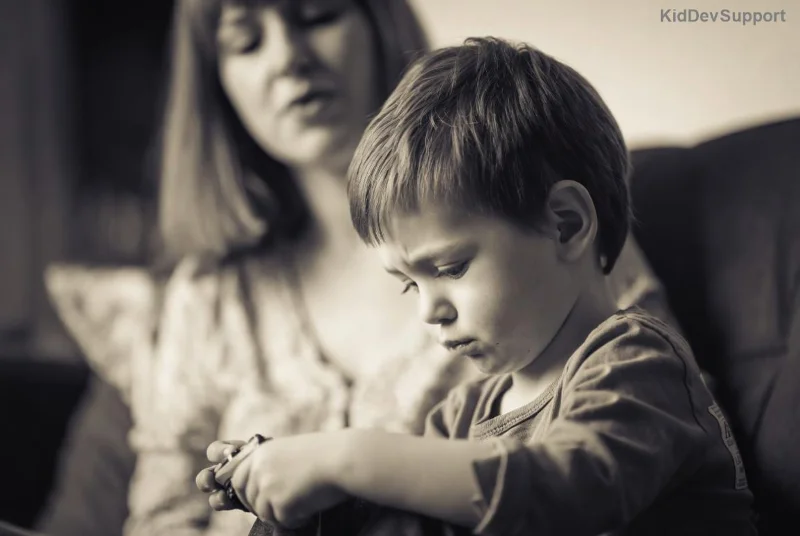
![Family supporting child with <strong>Autism</strong> Spectrum Disorder]()
Treatment and Therapies: Building Skills for Life
Autism has no "cure," but evidence-based interventions help. Tailor to your child's needs with these core approaches, backed by the latest research:
- Applied Behavior Analysis (ABA): Breaks skills into steps for positive reinforcement 👍.
- Speech and Occupational Therapy: Targets communication and sensory integration.
- Cognitive Behavioral Therapy (CBT): Manages anxiety, common in ASD.
- Medication: For co-occurring issues like ADHD or epilepsy (never first-line for core autism).
For global families, teletherapy bridges gaps. Emerging options like neuromodulation show promise in trials. Track progress with apps—small wins build momentum. How to apply this daily? Keep going.
Living with Autism: Daily Strategies for Thriving Families
Empower your household with routines and empathy. Top tips:
- Create Predictability: Visual schedules reduce meltdowns.
- Sensory-Friendly Home: Dim lights, noise-cancelling tools.
- Build Social Bridges: Role-play scenarios, join autism-friendly groups.
- Self-Care for Parents: Respite care prevents burnout ❤️.
- Leverage Strengths: Channel hyper-focus into hobbies or careers (many with autism excel in tech, arts).
School accommodations like IEPs (Individualized Education Programs) are game-changers. For adults, vocational training leads to independence. Success stories abound—think innovators like Temple Grandin.
Global Resources: Support Networks for Every Family
No family faces autism alone. Access these:
| Region |
Key Resources |
| Worldwide |
Autism Speaks, CDC. |
| Europe/Asia |
Autism Europe, local NGOs. |
| Developing Regions |
WHO initiatives, UNICEF programs 🏆. |
Join online communities for peer wisdom. Financial aid? Check government schemes or charities.
Your Next Steps: Embrace the Journey
Autism reshapes families, but with knowledge, it unlocks potential. Act today: screen, connect, celebrate uniqueness. You've got this—share your story in comments below. For personalized advice, consult experts. Thrive together! 🌟