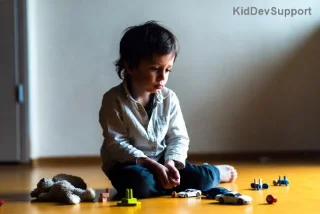
Imagine a world where social cues feel like a foreign language, routines are lifelines, and unique talents shine brighter than neurotypical norms. That's the reality for millions navigating Autism Spectrum Disorder (ASD). If you're searching for "What is Autism Spectrum Disorder?", this 2026 guide delivers clear, actionable insights. From core definitions to cutting-edge support strategies, we'll empower you to understand, support, and thrive. Stick around—by the end, you'll have a roadmap for ASD awareness and action. 🩺
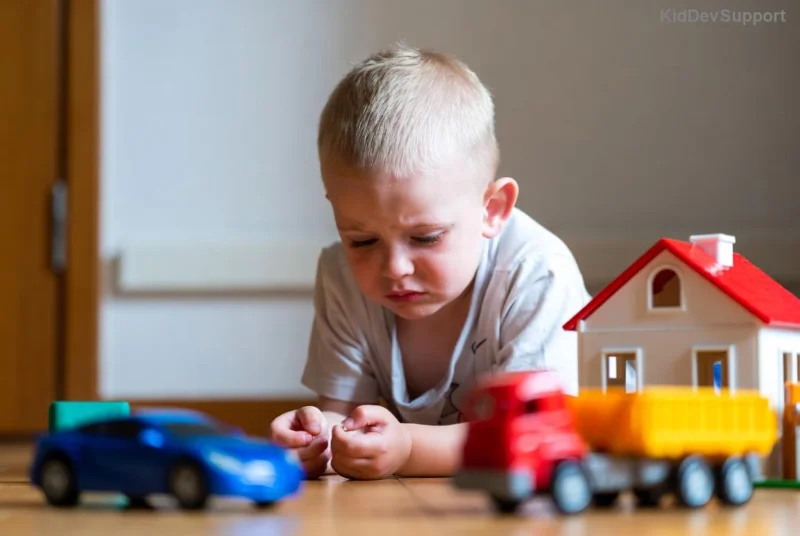
What is Autism Spectrum Disorder (ASD)?
Autism Spectrum Disorder is a neurodevelopmental condition characterized by differences in social communication, behavior, and sensory processing. Unlike outdated views of autism as a singular disorder, ASD is a spectrum—ranging from individuals needing substantial support to those living independently with subtle traits.
The latest diagnostic frameworks, like those from the DSM-5-TR, emphasize two core domains: persistent challenges in social communication and restricted, repetitive behaviors. ASD affects about 1 in 36 children globally, with prevalence stable in recent data. It's lifelong but not a disease—it's a different wiring of the brain that brings strengths like intense focus, pattern recognition, and creativity.
Why "spectrum"? No two people with ASD are alike. Some excel in tech or arts (think innovators like those in Silicon Valley), while others require lifelong assistance. Early identification unlocks potential—keep reading to spot signs early.
Key Symptoms of Autism Spectrum Disorder
Recognizing ASD symptoms is crucial for timely intervention. Symptoms typically emerge by age 2 but can be subtle in high-functioning cases. Here's a breakdown:
| Domain |
Common Symptoms |
Severity Levels (Level 1-3) |
| Social Communication |
Difficulty with eye contact, understanding sarcasm, making friends, or nonverbal cues. |
Level 1: Support needed; Level 3: Very substantial support. |
| Repetitive Behaviors |
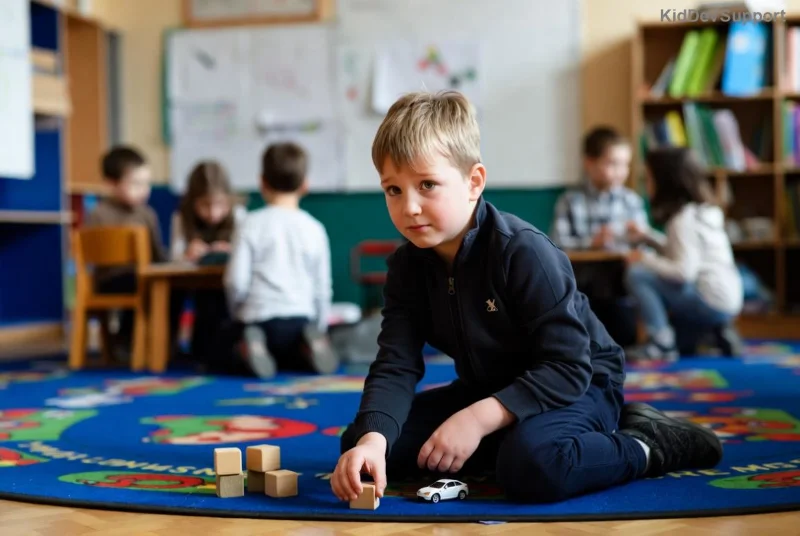
Hand-flapping, lining up toys, intense interests (e.g., trains), resistance to change. |
Level 1: Flexible; Level 3: Inflexible, interfering with daily life. |
| Sensory Processing |
Over/under-sensitivity to lights, sounds, textures; seeking sensory input like spinning. |
Varies; often co-occurs across levels. |
Associated traits include delayed speech, anxiety, or giftedness in specific areas. In adults, symptoms might mask as social awkwardness or career burnout. Wondering if it's ASD? The next section covers diagnosis.
Causes and Risk Factors of Autism Spectrum Disorder
ASD arises from a complex interplay of genetics and environment—no single cause. Latest research highlights:
- Genetics: Over 100 genes linked; heritability up to 80-90% in twin studies.
- Prenatal Factors: Advanced parental age, maternal infections, or exposures like valproic acid.
- Brain Differences: Early brain overgrowth and altered connectivity via neuroimaging.
Vaccines do not cause ASD—debunked by decades of data. Risk factors include male sex (4:1 ratio) and family history. Understanding causes paves the way for prevention research—exciting developments ahead in 2026.
![Child with <strong>Autism Spectrum Disorder</strong> in therapy session]()
How is Autism Spectrum Disorder Diagnosed?
Diagnosis involves multidisciplinary evaluation—no single test. Steps include:
- Developmental Screening: Pediatricians use tools like M-CHAT at well-child visits.
- Comprehensive Assessment: Psychologists observe via ADOS-2, interview parents with ADI-R.
- Ruling Out Mimics: ADHD, intellectual disability, or anxiety.
Golden window: Before age 3 for best outcomes. In 2026, AI-assisted tools and telehealth expand access, reducing wait times. For reliable info, check CDC's ASD page.
Treatment and Support for Autism Spectrum Disorder in 2026
No cure, but early, tailored interventions transform lives. Core approaches:
- Behavioral Therapies: ABA (Applied Behavior Analysis) builds skills; alternatives like DIR/Floortime focus on relationships. 🏆
- Speech & Occupational Therapy: Targets communication and sensory needs.
- Medications: For co-occurring issues like anxiety (SSRIs) or irritability (risperidone).
- Emerging Tech: VR for social training, apps for emotion recognition—2026 breakthroughs in neurofeedback.
School accommodations via IEPs, plus family training, foster independence. Adults benefit from vocational programs and self-advocacy groups like the Autism Speaks network.
| Age Group |
Recommended Supports |
| Children |
Early Intensive Behavioral Intervention (EIBI), sensory integration. |
| Teens/Adults |
Social skills groups, career coaching, mental health support. 😊 |
Living and Thriving with Autism Spectrum Disorder
ASD individuals lead fulfilling lives with the right ecosystem. Strengths like hyperfocus drive success in STEM, arts, and entrepreneurship. Challenges? Build routines, use visual aids, and seek neurodiverse communities.
For parents: Celebrate neurodiversity. For partners: Practice patience and direct communication. In 2026, inclusive workplaces and AI companions reduce barriers—envision a world where ASD is a superpower. 💪
What's Next for Autism Spectrum Disorder Research in 2026?
Latest advancements include gene therapies targeting SHANK3, gut-brain microbiome interventions, and precision medicine. Longitudinal studies promise personalized roadmaps. Stay informed—your awareness drives change.
Final Thoughts: Empowering the Autism Spectrum
Now you know: Autism Spectrum Disorder is a spectrum of strengths and needs, diagnosable early, and manageable with science-backed tools. Whether supporting a loved one or self-identifying, take the first step today—screen, seek pros, and embrace differences. Share this guide, consult experts, and join the movement for neurodiversity. You've got this! 🌟
Disclaimer: This is informational; consult healthcare providers for personalized advice.