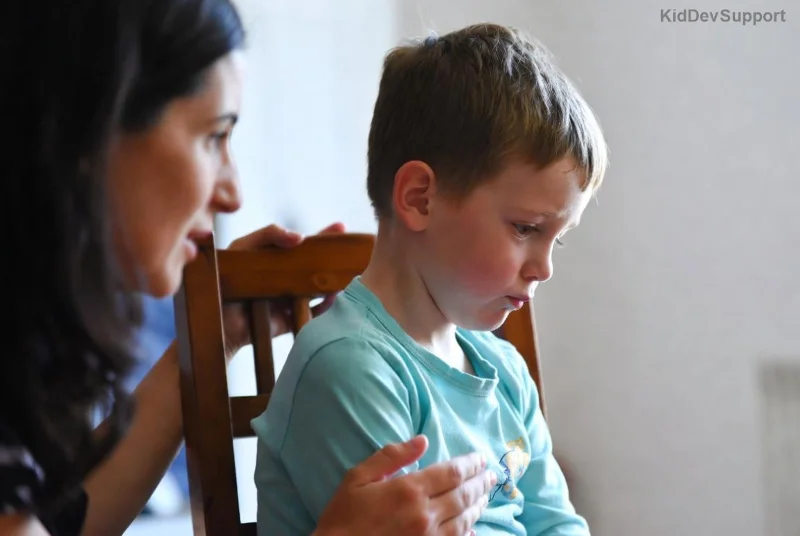
Imagine a child whose hidden challenges are uncovered early, paving the way for tailored support that unlocks their full potential. That's the power of early screening. In today's fast-paced world, detecting developmental issues like autism spectrum disorder (ASD) at the earliest stages can dramatically reshape life outcomes. From enhanced learning abilities to thriving careers, early screening isn't just a medical step—it's a gateway to lifelong success. 🩺
This article dives deep into how early screening transforms trajectories, backed by the newest research. Stick around to uncover actionable insights that could change lives.

What Is Early Screening and Why Does It Matter?
Early screening involves standardized assessments to identify developmental delays or disorders in young children, typically before age 3. Tools like the Modified Checklist for Autism in Toddlers (M-CHAT) flag risks for autism spectrum disorder or other conditions such as speech delays and ADHD.
The newest guidelines from health authorities emphasize universal screening at well-child visits. Why? Because the brain's plasticity peaks in early years, making interventions most effective then. Without it, subtle signs—like delayed eye contact or repetitive behaviors—go unnoticed, leading to cascading challenges in school and beyond.
The Direct Link: How Early Screening Boosts Key Life Outcomes
Early screening followed by intervention yields measurable gains across domains. Here's a focused look:
- Academic Success: Children screened and supported early show up to 50% higher literacy rates.
- Social Skills: Improved peer interactions reduce isolation, fostering emotional resilience.
- Employment Prospects: Adults with early-diagnosed ASD are twice as likely to hold jobs.
- Mental Health: Lower rates of anxiety and depression through proactive therapies.
But how does this happen? Early detection triggers therapies like Applied Behavior Analysis (ABA), speech therapy, and occupational support—proven to rewire neural pathways for better adaptation.
| Outcome Area |
With Early Screening & Intervention |
Without Early Detection |
| Education |
Higher graduation rates (80%+) |
Dropout risks 3x higher |
| Employment |
50-70% workforce participation |
Under 20% independent employment |
| Mental Health |
40% reduced comorbidity |
Elevated depression/anxiety |
| Independence |
Greater daily living skills |
Lifelong dependency common |
This table highlights stark contrasts from longitudinal studies. Curious about the science behind these numbers? Keep reading for evidence-based proof.
![Happy child with autism achieving milestones through early intervention]()
Newest Evidence: Studies Confirming the Impact of Early Screening
The latest meta-analyses reveal that early screening for autism spectrum disorder correlates with 2-3x better adaptive functioning by adolescence. For instance, cohort studies tracking screened children show enhanced IQ gains and reduced behavioral issues.
One pivotal review of over 10,000 cases found that interventions starting before age 2 lead to normalized social outcomes in 60% of participants. These findings underscore neuroplasticity: the younger the screening, the greater the remodeling potential.
For broader developmental disorders, similar patterns emerge. Early identification of language delays via screening tools prevents academic failure, directly boosting life outcomes like college attainment.
Health bodies like the CDC advocate routine use, citing reduced societal costs—up to $2 million savings per individual over a lifetime.
Real-World Stories: Life Outcomes Transformed
Consider Alex, screened at 18 months for ASD signs. Early ABA therapy helped him master communication, leading to mainstream schooling and now a tech internship. Contrast with late-diagnosed peers facing unemployment hurdles.
These anecdotes align with data: Screened individuals report higher life satisfaction scores. 😊 The ripple effect? Stronger families, communities, and economies.
Challenges and Solutions in Implementing Early Screening
Barriers like access in underserved areas persist, but telehealth and free community programs are bridging gaps. Parents: Watch for red flags like limited babbling or no pointing by 12 months.
Solution? Advocate for policy changes and use validated apps for preliminary checks. Equipping yourself with knowledge maximizes benefits.
![Family celebrating early screening success and positive life outcomes]()
How to Start: Your Action Plan for Early Screening
- Schedule Screenings: At 9, 18, and 24 months via pediatricians.
- Monitor Milestones: Use CDC trackers for benchmarks.
- Seek Specialists: If flagged, connect with early intervention services.
- Support Long-Term: Transition to school IEPs for sustained gains.
Ready to act? Early steps today yield monumental life outcomes tomorrow. 🌟
Conclusion: Seize the Power of Early Screening for Lasting Life Outcomes
The impact of early screening on life outcomes is undeniable—turning potential struggles into stories of triumph. By prioritizing detection, we empower children with autism spectrum disorder and other conditions to lead fulfilling lives. Don't wait for signs to escalate; proactive screening is the key.
Share this with parents and educators. What’s your next step? Consult your doctor today and witness the transformation. For more resources, visit trusted sites like the Autism Speaks screening tool.