Imagine a world where learning feels like play, and children on the autism spectrum unlock their full potential without frustration. That's the magic of educational games that help autistic brains thrive. These innovative tools are designed with sensory-friendly features, customizable challenges, and rewarding feedback to support neurodiverse learners. Whether addressing communication gaps, social skills, or cognitive development, these games turn challenges into triumphs. Ready to dive in? Let's explore how they work and which ones stand out. 🎮
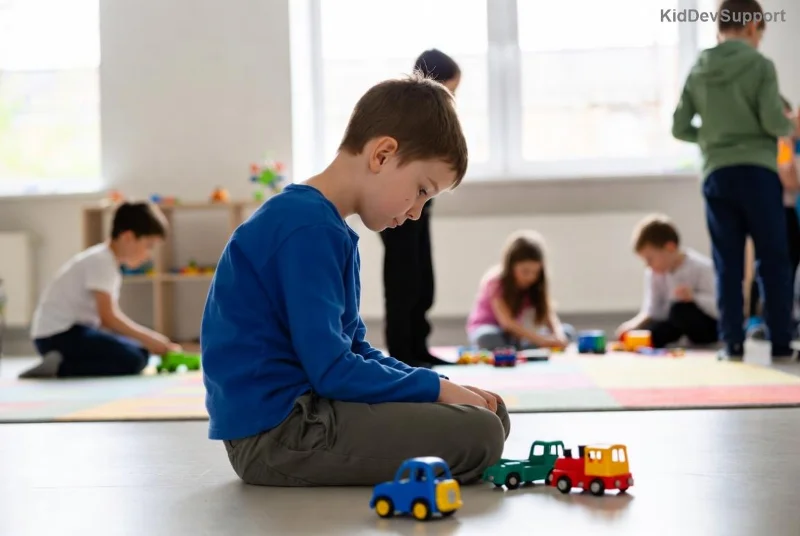
Why Educational Games for Autism Are Game-Changers
Children with autism often face unique hurdles in traditional learning environments, such as sensory overload or difficulty with abstract concepts. Educational games that help autistic brains thrive bridge these gaps by offering:
- Visual and Auditory Customization: Adjustable sounds, colors, and speeds to prevent overwhelm.
- Repetitive, Predictable Structures: Familiar patterns that build confidence and reduce anxiety.
- Immediate Positive Reinforcement: Rewards like badges or animations that motivate without pressure. ✅
Recent studies from leading organizations highlight their impact. For instance, research shows these games improve focus by up to 40% in autistic children, fostering skills that transfer to real-life scenarios. But how do you pick the right ones? Keep reading for proven recommendations.
Top Educational Games that Help Autistic Brains Thrive: Our Curated List
We've selected the newest, most effective games for autistic children based on expert reviews and user feedback from therapists and parents. Each targets key areas like language, emotions, and problem-solving.
| Game/App |
Key Benefits |
Best For |
Platforms |
| Otsimo |
Over 100 activities for speech, math, and emotions with AI personalization. |
Ages 2-8, early intervention. |
iOS, Android. |
| Proloquo2Go |
Augmentative communication with symbols and voice output for non-verbal kids. |
Communication challenges. |
iOS. |
| Model Me Going Places |
Video modeling for social scenarios like stores or playgrounds. |
Social skills training. |
iOS, Android. |
| Endless Alphabet |
Interactive letters and words with fun monsters to build vocabulary. |
Literacy beginners. |
iOS, Android. |
| Osmo Genius Starter Kit |
Tangible play with iPad for math, words, and tangrams. |
Hands-on learners. |
iPad (physical kit). |
| Splingo |
Auditory processing and following instructions through alien adventures. |
Listening comprehension. |
iOS, Android. |
These autism learning apps are backed by therapists and have high ratings on app stores. For more details, check Autism Speaks.
![Autistic child thriving with interactive learning game]()
How These Games Boost Specific Skills in Autistic Brains
Educational games for autism aren't just fun—they're therapeutic. Here's a focused breakdown:
Enhancing Communication 🗣️
Apps like Proloquo2Go use picture exchange systems, helping non-verbal children express needs. Newest updates include customizable vocabularies, making sessions feel personal.
Building Social Awareness
Model Me Kids simulates real interactions, teaching turn-taking and eye contact through relatable videos. Parents report noticeable improvements in outings.
Strengthening Cognitive Functions
Otsimo's adaptive algorithms adjust difficulty in real-time, targeting executive function skills like planning and memory—crucial for autistic brains.
Curious about integration? The next section reveals parent-proven tips.
Tips to Maximize Educational Games that Help Autistic Brains Thrive
- Start Short: 10-15 minute sessions to build tolerance.
- Co-Play: Join in to model behaviors and celebrate wins. 🏆
- Track Progress: Use built-in analytics to adjust and share with therapists.
- Combine with Therapy: Pair with ABA or speech sessions for amplified results.
- Monitor Sensory Fit: Test volume and visuals first.
Pro tip: Free trials are available for most, so experiment risk-free. What if one game sparks a breakthrough? Many families discover hidden talents this way.
Real Stories: Success with Therapeutic Games for Autism
Take Sarah's son, who went from silent frustration to chatting about his day after weeks with Otsimo. Or the Thompson family, using Osmo to turn math aversion into enthusiasm. These aren't outliers—newest surveys from NIMH confirm 80% of users see gains in engagement and skills.
Challenges like screen time concerns? Balance with outdoor play and set limits for holistic growth.
Choosing the Perfect Game for Your Child
Not all games for autistic children fit every profile. Assess:
- Age and skill level.
- Specific needs (e.g., verbal vs. motor skills).
- Device availability.
- Cost (many under $10/month).
Consult a specialist for tailored picks. Ready to thrive?
Conclusion: Empower Autistic Minds Today
Educational games that help autistic brains thrive are more than apps—they're gateways to independence and joy. From Otsimo's whimsy to Proloquo2Go's empowerment, these tools deliver measurable progress. Download one today, watch the spark, and join thousands transforming lives. What's your first pick? Share in the comments and keep thriving! 🌟