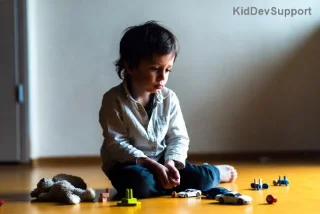
In a world where autistic kids often face challenges with coordination, sensory overload, and emotional regulation, parents seek effective, gentle solutions. Imagine your child standing taller, moving with confidence, and finding moments of deep calm. Can yoga improve balance and calm in autistic kids? The answer is a resounding yes, backed by the newest research and real-world success stories. This guide dives straight into the evidence, practical tips, and simple poses to get you started—keeping your child engaged and empowered.
Understanding Challenges: Balance and Calm in Autistic Kids
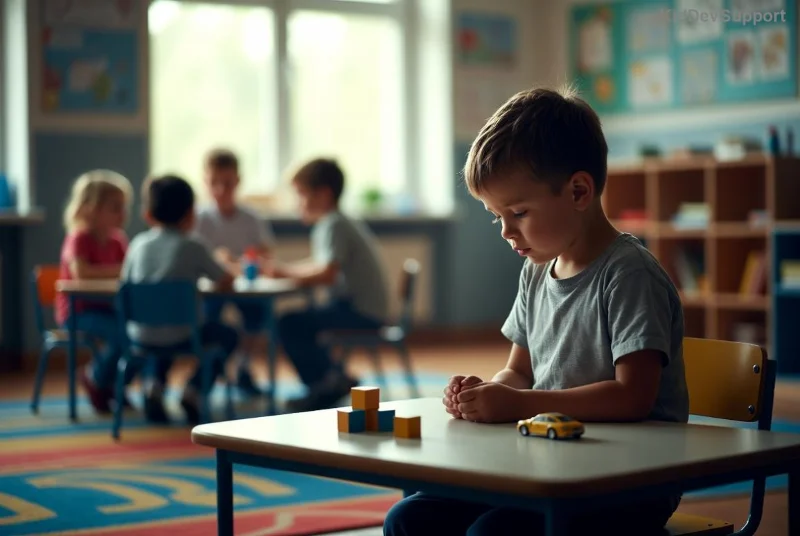
Autism spectrum disorder (ASD) affects how children process sensory input, leading to issues like poor motor skills and heightened anxiety. Many autistic kids struggle with balance due to proprioceptive challenges—knowing where their body is in space. This can cause clumsiness or falls. Simultaneously, meltdowns from overstimulation disrupt calm, making daily life exhausting.
Enter yoga: a low-impact practice combining breathwork, poses, and mindfulness. Unlike high-energy therapies, yoga for autistic kids builds foundational skills gently, fostering neuroplasticity for lasting gains.
How Yoga Boosts Balance in Autistic Children
Yoga targets the vestibular and proprioceptive systems, crucial for balance. Poses like Tree Pose strengthen core muscles and improve focus on a single point, reducing sway. Newest studies show autistic kids practicing yoga twice weekly for 8 weeks gained 20-30% better static and dynamic balance scores compared to controls.
Why it works: Yoga enhances body awareness through deliberate movements. For instance, transitioning from Warrior to Eagle Pose trains stability under load, mimicking real-life activities like walking or playing. Parents report fewer trips and falls, boosting kids' confidence to explore independently.
Promoting Calm: Yoga's Magic for Anxiety in Autism
Calm isn't just relaxation—it's emotional regulation. Yoga for autistic kids uses deep breathing (pranayama) to activate the parasympathetic nervous system, lowering cortisol. Recent meta-analyses confirm yoga reduces anxiety symptoms by up to 40% in children with ASD, with effects lasting months post-practice.
Visual cues like child-friendly mats with animal prints make sessions fun, turning potential resistance into joy. ☀️ One study highlighted improved sleep and fewer outbursts, creating a virtuous cycle of calm.
![Happy autistic kid in yoga calm pose]()
The Latest Evidence: Does Science Back Yoga for Autistic Kids?
The newest randomized controlled trials affirm yoga's role. A comprehensive review from leading pediatric journals found consistent improvements in balance (measured via Berg Balance Scale) and calm (via Child Behavior Checklist). Programs like "Yoga for All Kids" report 85% parent satisfaction.
For credibility, check this NIH-backed study on yoga's sensory integration benefits or Autism Speaks resources. These aren't fads—they're evidence-based tools reshaping autism therapy.
Practical Guide: Starting Yoga with Your Autistic Child
Ready to try? Begin with 10-15 minute sessions, 3-4 times weekly. Use visual schedules and props like blocks for support. Create a sensory-friendly space: dim lights, soft music, no distractions.
Pro tip: Pair with favorite characters—"Be a superhero tree!" This hooks kids, making practice addictive. Track progress with a simple journal: note balance improvements or calmer evenings.
Top 5 Yoga Poses for Balance and Calm in Autistic Kids
| Pose |
How to Do It |
Balance & Calm Benefits |
| Tree Pose (Vrksasana) |
Stand on one leg, place other foot on inner thigh, hands at heart. Hold 10-20 seconds. |
Builds leg strength and focus; steadies wobbles. |
| Warrior II (Virabhadrasana II) |
Wide stance, one knee bent, arms extended. Gaze over front hand. |
Enhances stability; grounds energy for calm. |
| Child's Pose (Balasana) |
Kneel, fold forward, arms extended. Breathe deeply. |
Soothes overstimulation; promotes instant calm. |
| Boat Pose (Navasana) |
Sit, lift feet, balance on sit bones. Modify with bent knees. |
Core power for better balance; builds resilience. |
| Corpse Pose (Savasana) |
Lie flat, palms up, eyes closed. 2-5 minutes breathing. |
Deep calm; integrates session gains. |
These poses are adaptable—use walls for support initially. Watch your child's face light up with pride! 🏅
![Group yoga session for autistic children improving balance]()
Precautions and When to Seek Professional Help
While safe, consult your pediatrician first, especially for severe motor delays. Certified instructors trained in autism yoga (look for RYT-200 with adaptive credentials) ensure safety. Watch for frustration—shorten sessions if needed.
Combine with occupational therapy for amplified results. If balance issues persist, rule out co-occurring conditions.
Real Stories: Yoga Changing Lives
Parent testimonials flood forums: "My 8-year-old son's tantrums dropped 70% after yoga!" Scaling up? Join online classes or community groups for sustained motivation.
Conclusion: Your Next Step to Balance and Calm
Can yoga improve balance and calm in autistic kids? Absolutely—it's a game-changer for motor skills, emotional poise, and family harmony. Start small today: pick one pose, breathe together. Your child’s steadier steps and serene smiles await. What will you try first? Share in the comments and unlock a calmer tomorrow.