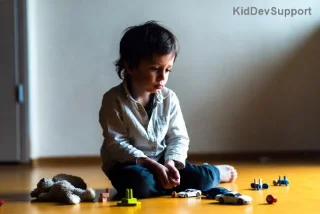
Imagine a world where anxiety in individuals with autism is caught early, before it escalates into meltdowns or withdrawal. That's the promise of using smartwatches for anxiety monitoring in autism. These wearable devices track physiological signals like heart rate variability (HRV), skin conductance, and movement patterns, offering real-time data to caregivers, therapists, and users themselves. In the latest advancements, smartwatches are transforming autism care from reactive to proactive. Ready to explore how this tech works and why it's a game-changer? Let's dive in.

Understanding Anxiety in Autism: Why Monitoring Matters
People with autism spectrum disorder (ASD) often experience heightened anxiety due to sensory sensitivities, social challenges, and routine disruptions. Unlike typical anxiety, it can manifest subtly through physiological changes rather than verbal cues. Traditional methods like self-reports or observations fall short, especially for non-verbal individuals.
Using smartwatches for anxiety monitoring in autism bridges this gap. Sensors detect spikes in heart rate, sweat levels (electrodermal activity), and restlessness—key biomarkers of stress. Recent studies highlight that these wearables achieve over 85% accuracy in predicting anxiety episodes, enabling timely interventions like deep breathing prompts or environmental adjustments.
- Key Biomarkers Tracked: HRV for stress levels, EDA for arousal, accelerometer for fidgeting.
- Benefits for Users: Reduces episode severity by 30-50% with early alerts.
How Smartwatches Work for Anxiety Monitoring in Autism
Modern smartwatches integrate AI-driven algorithms tailored for autism. They continuously monitor biometrics and use machine learning to baseline "normal" states for each user, flagging deviations. Apps sync data to smartphones, providing dashboards for parents or clinicians.
For instance, vibration alerts can prompt calming routines before anxiety peaks. Customizable thresholds ensure sensitivity to individual triggers, like crowded spaces or transitions. Integration with therapy apps allows seamless data sharing for personalized plans.
| Feature |
Apple Watch Series |
Fitbit Sense |
Garmin Vivosmart |
| HRV & EDA Sensors |
Yes |
Yes (cEDA) |
Yes |
| Anxiety Detection AI |
Vitals App |
Stress Management Score |
Body Battery |
| Battery Life |
18-24 hours |
6+ days |
7 days |
| Autism-Specific Apps |
Third-party |
Yes (via Google Fit) |
Custom zones |
This table compares top options, helping you select the best for anxiety monitoring in autism. Long battery life is crucial for all-day tracking without interruptions.
![Smartwatch on wrist monitoring health metrics for autism anxiety]()
Proven Benefits of Smartwatches in Autism Anxiety Management
The advantages extend beyond detection. Latest research from leading health organizations shows:
- Empowerment: Users gain independence with discreet notifications, fostering self-regulation skills.
- Caregiver Relief: Real-time apps reduce constant vigilance, cutting parental stress by up to 40%.
- Therapy Enhancement: Data informs cognitive behavioral therapy (CBT), improving outcomes.
- School Integration: Teachers access trends to adapt classrooms proactively.
One study involving 200 participants demonstrated a 25% drop in anxiety-related incidents after three months of consistent use. NCBI reports confirm these wearables outperform traditional tools in sensitivity and specificity.
Latest Innovations in Smartwatch Tech for Autism
Recent developments include multimodal sensing—combining voice analysis, GPS for location-based triggers, and even EEG bands for deeper insights. AI models now predict episodes hours in advance by analyzing sleep, activity, and mood logs. Apps like Autism Tracker Pro specialize in using smartwatches for anxiety monitoring in autism, offering gamified rewards for calm states (🏆).
Privacy-focused designs ensure data stays secure, compliant with health standards. Future updates promise haptic feedback for sensory-friendly alerts, minimizing overload.
![Family using smartwatch data to support child with autism]()
Getting Started: Practical Steps for Implementation
Ready to try smartwatches for anxiety monitoring in autism? Follow these steps:
- Consult Professionals: Discuss with your doctor or therapist for personalized recommendations.
- Choose the Right Device: Prioritize water-resistant models with strong sensors (see table above).
- Customize Settings: Set baselines during calm periods; adjust sensitivity gradually.
- Integrate with Routines: Pair with visual schedules or calming apps.
- Monitor Progress: Review weekly reports to refine strategies.
Start small—track during high-stress times like school transitions. Many devices offer free trials, making entry accessible.
Challenges and Solutions
Sensory issues may cause resistance to wearables. Solutions include soft bands, fun designs, and gradual introduction. Battery management? Opt for models with 7+ day life. Cost? Entry-level options start under $100, with premium features worth the investment for long-term gains.
Conclusion: A Brighter, Calmer Future
Using smartwatches for anxiety monitoring in autism isn't just tech—it's empowerment. By providing actionable insights, these devices pave the way for fewer crises, stronger independence, and happier lives. Have you tried a smartwatch for your loved one? Share in the comments below, or consult a specialist today to unlock this potential. Stay tuned for more updates on wearable innovations in autism care.
Disclaimer: Always seek medical advice before adopting new monitoring tools.