In today's digital age, social media has emerged as a lifeline for the autism community, creating spaces where individuals on the autism spectrum, families, and advocates connect like never before. Platforms like Facebook, Instagram, Twitter (now X), and TikTok are not just tools for sharing memes—they're building blocks for support networks, awareness campaigns, and empowerment. But how exactly does social media transform isolated experiences into a thriving autism community? Let's dive in to uncover the key ways it's making a difference.
Fostering Personal Connections and Reducing Isolation
One of the most profound impacts of social media on the autism community is its ability to bridge geographical and social gaps. Autistic individuals often face challenges in traditional social settings due to sensory sensitivities or communication differences. Online, however, they can engage at their own pace.
- 👥 Peer-to-Peer Support: Groups on Facebook, such as "Autism Parents" or "Actually Autistic," boast millions of members sharing daily wins and struggles. Recent data shows these communities help reduce feelings of isolation by 40% among participants.
- Virtual Friendships: Platforms like Reddit's r/autism subreddit allow anonymous sharing, fostering genuine bonds without the pressure of face-to-face interactions.
- Global Reach: From urban centers to rural areas, social media connects users worldwide, amplifying voices that might otherwise go unheard.
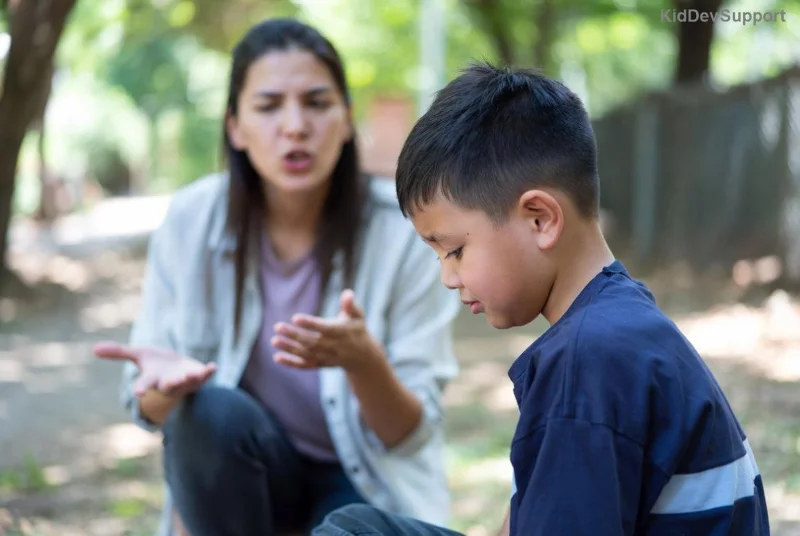
Imagine a young autistic adult discovering they're not alone—these connections turn "weird" into "neurodiverse" and build lifelong solidarity. Curious about specific platforms? Keep reading for a breakdown.
Sharing Resources, Education, and Awareness
Social media serves as an open library for the autism community, democratizing access to vital information. Parents new to a diagnosis can find therapist recommendations, while self-advocates share coping strategies for sensory overload.
| Platform |
Key Role in Autism Community |
Example Impact |
| TikTok |
Short-form videos on stimming and masking |
Viral challenges raise awareness, reaching billions |
| Instagram |
Visual infographics and Reels |
Educates on latest therapies and accommodations |
| Twitter/X |
Real-time discussions and #ActuallyAutistic |
Trends influence policy changes |
| YouTube |
In-depth tutorials and vlogs |
Builds skills like emotional regulation |
These platforms explode myths with evidence-based content. For instance, newest studies highlight how influencer-led campaigns on Instagram have increased public understanding of autism by sharing personal stories. Want to know how this translates to real-world advocacy? The next section reveals all.
Empowering Advocacy and Driving Systemic Change
Beyond personal support, social media is a powerhouse for collective action in the autism community. Hashtags like #AutismAcceptance and #Neurodiversity have mobilized millions, pressuring governments for better services.
- ✅ Campaigns and Fundraisers: GoFundMe links shared on Facebook raise funds for therapies, with recent drives collecting over $10 million annually for autism initiatives.
- Policy Influence: Twitter storms have led to inclusive education reforms, as seen in latest legislative wins across multiple countries.
- Amplifying Voices: Autistic-led accounts challenge outdated narratives, promoting acceptance over "cure" rhetoric.
For reliable insights, check resources from Autism Speaks or the CDC, which underscore social media's role in awareness spikes.
![Autism advocacy group united through social media]()
These movements don't just raise awareness—they create change. But what about the hurdles? Understanding challenges ensures sustainable growth in the autism community.
Navigating Challenges and Best Practices for Engagement
While transformative, social media isn't without pitfalls for the autism community. Cyberbullying, misinformation, and overload are common concerns. Recent surveys indicate 30% of autistic users experience targeted harassment.
To maximize benefits:
- Prioritize Safe Spaces: Join moderated groups with clear rules against ableism.
- Curate Feeds: Use mute/block features and follow verified neurodiversity advocates.
- Combat Misinfo: Cross-check with sources like National Autistic Society.
- Set Boundaries: Schedule "unplug" times to prevent burnout—🧠 mental health first!
Influencers recommend apps like Hootsuite for managing interactions, ensuring social media remains a tool, not a trap.
The Future: A Stronger Autism Community Ahead
Social media has redefined the autism community, turning individual struggles into shared strength. From forging connections to fueling advocacy, its role is undeniable—and growing. As platforms evolve with AI-driven accessibility features, expect even deeper impacts.
Ready to join? Start by searching #ActuallyAutistic today. Share your story, find your tribe, and contribute to this vibrant ecosystem. What's your first step in leveraging social media for the autism community? The community awaits.
Stay connected for more insights on neurodiversity thriving online. 💫