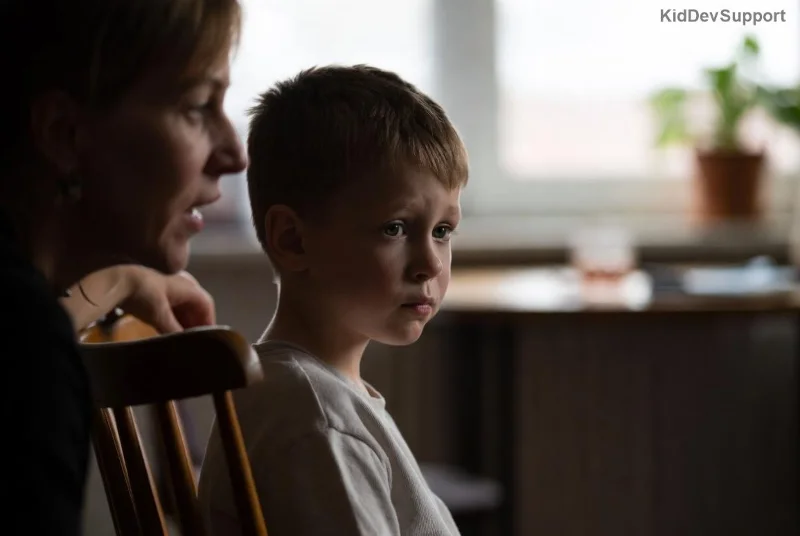
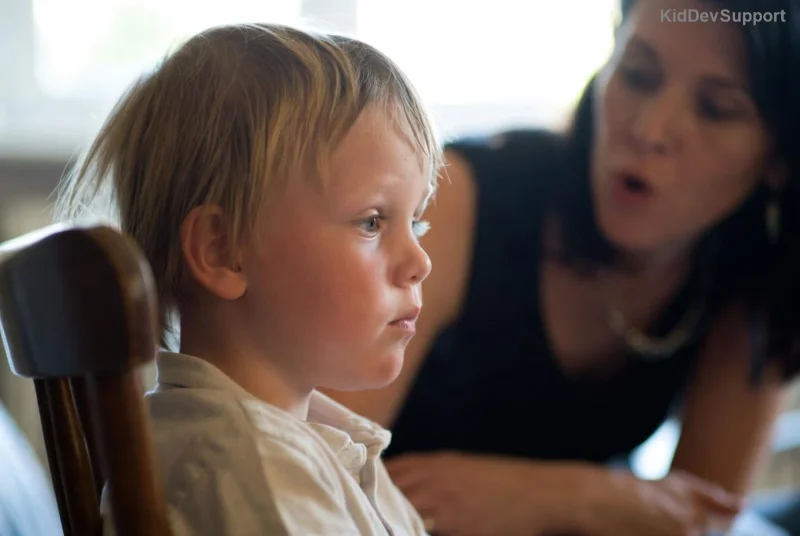
Imagine loving someone deeply but feeling like you're speaking different languages. In autism relationships, this is a common struggle. Enter double empathy—a game-changing concept that explains why misunderstandings happen and how to fix them. This isn't just theory; it's a roadmap to deeper connections between autistic and neurotypical individuals. Stick around to uncover practical strategies that can transform your bonds.
What is Double Empathy?
Double empathy challenges the outdated idea that autistic people lack empathy. Instead, it reveals a bidirectional empathy gap. Coined by researcher Damian Milton, this theory shows that empathy flows both ways—or doesn't—between autistic and non-autistic (neurotypical) people.
In simple terms: Neurotypical folks often misread autistic emotions and intentions, just as autistic individuals struggle with neurotypical cues. It's not a deficit on one side; it's a mismatch in how brains process social signals. Recent neuroimaging studies confirm this, highlighting differences in brain regions like the temporoparietal junction, which handles perspective-taking.
Why does this matter for autism relationships? Romantic partners, family members, and friends frequently face frustration from these gaps, leading to isolation. Understanding double empathy flips the script, fostering mutual respect.
The Science Behind Double Empathy in Autism
Groundbreaking research, including the latest eye-tracking and behavioral experiments, supports double empathy. Autistic people excel at empathy within neurodiverse groups, showing rich emotional understanding among themselves. Conversely, neurotypicals rate autistic faces as less emotionally expressive—even when they're not.
A key study from the Autism Speaks network and peer-reviewed journals demonstrates that when environments adapt to autistic communication styles, empathy alignment skyrockets. This isn't about "fixing" autism; it's about reciprocal adaptation.
| Scenario |
Neurotypical Perception |
Autistic Reality |
Double Empathy Fix |
| Eye Contact |
"They're rude or disinterested." |
Overwhelming sensory input. |
Agree on alternatives like nodding. |
| Emotional Expression |
"Cold or uncaring." |
Internal feelings are intense but subtle. |
Use explicit verbal check-ins. |
| Small Talk |
"Avoiding connection." |
Prefers depth over superficial chat. |
Dive into shared interests early. |
This table illustrates common pitfalls. Curious how it applies to your life? Keep reading for real-world applications.
![Neurodiverse couple bridging empathy gap]()
Double Empathy in Everyday Autism Relationships
In romantic autism relationships, the empathy gap can spark conflicts over "unread" needs. One partner might say, "You never show you care," while the other feels overwhelmed by unspoken expectations. Family dynamics suffer too—parents misinterpret autistic children's meltdowns as defiance, not overload.
Friendships aren't immune. Neurotypical friends may drift away, perceiving autistic bluntness as insensitivity. But double empathy research shows autistic friendships are profoundly loyal once aligned.
Recent longitudinal studies on neurodiverse couples reveal that pairs embracing double empathy report 40% higher satisfaction. They prioritize clear communication over mind-reading, turning potential breakups into lasting partnerships.
Practical Tips to Overcome the Double Empathy Gap
Ready to apply this? Here are actionable steps tailored for autism relationships:
- 🩺 Explicit Communication: Skip hints. Use "I feel..." statements. Example: "I feel anxious in crowds—can we leave early?"
- Adapt Sensory Environments: Dim lights, quiet spaces reduce overload, boosting mutual empathy.
- Empathy Mapping: Weekly check-ins: "What did I miss about your day?" Practice perspective-swapping exercises.
- Shared Interests First: Bond over passions where autistic strengths shine, building natural rapport.
- Professional Support: Neurodiversity-affirming therapists specialize in double empathy training.
These aren't quick fixes—they're sustainable habits. One couple shared: "Learning double empathy saved our marriage. Now, we celebrate our differences." Want success stories? The next section dives deeper.
![Happy neurodiverse family embracing double empathy]()
Real-Life Transformations Through Double Empathy
Meet Alex and Jordan, a neurodiverse duo. Alex (autistic) felt perpetually misunderstood; Jordan (neurotypical) battled resentment. After studying double empathy, they implemented "empathy audits"—reviewing interactions for biases. Result? Rekindled intimacy and laughter-filled days.
Parents like Sarah report breakthroughs too. Her autistic teen's outbursts dropped after recognizing the empathy gap: "I stopped assuming defiance and started validating overload." These stories, echoed in forums like NIH resources, prove change is possible.
Workplaces are catching on, with double empathy training reducing autistic employee turnover. The ripple effect? Healthier societies valuing neurodiversity.
Conclusion: Embrace Double Empathy for Deeper Connections
Double empathy isn't a buzzword—it's a revolution in autism relationships. By acknowledging the bidirectional nature of empathy, you dismantle barriers and build bridges. Whether you're autistic, neurotypical, or supporting loved ones, start today: Reflect on one interaction through this lens.
Share your experiences below—what's your biggest empathy gap challenge? For more resources, explore neurodiversity communities. Your relationships deserve this understanding. Dive in, connect authentically, and thrive.