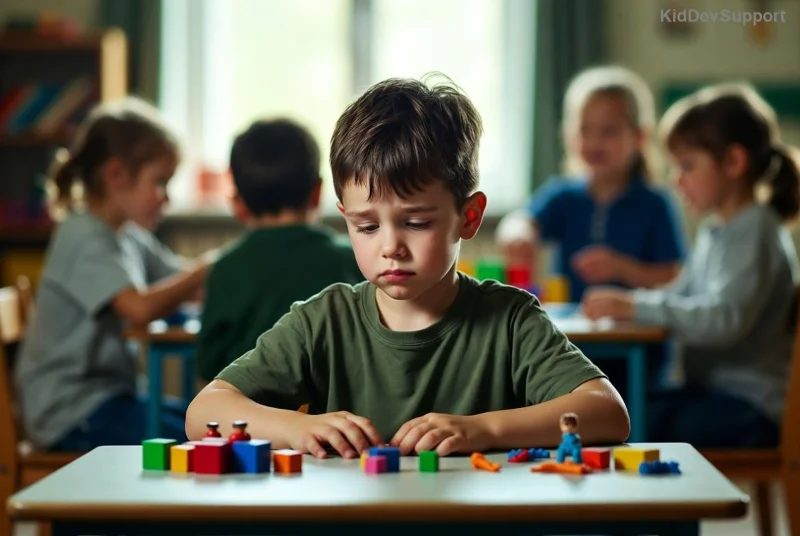
Imagine your autistic child lighting up with genuine understanding during a playdate, responding to a friend's frustration with comfort instead of confusion. Teaching empathy to autistic kids isn't just possible—it's transformative. Autism spectrum disorder often challenges emotional recognition, but with targeted strategies, parents and educators can bridge this gap. This guide delivers actionable, evidence-based techniques drawn from the latest research to help your child thrive socially and emotionally.
Understanding Empathy Challenges in Autism
Empathy involves recognizing emotions in others and responding appropriately—a skill that can be elusive for autistic children due to differences in social processing. Recent studies highlight that while cognitive empathy (understanding emotions) may lag, affective empathy (feeling with others) is often intact but under-expressed. The key? Breaking it down into teachable components like facial cues, tone, and context.
Autism empathy training focuses on explicit instruction, as implicit learning doesn't always click. Tools like visual supports make abstract feelings concrete, turning "I don't get it" into "I see you're sad."
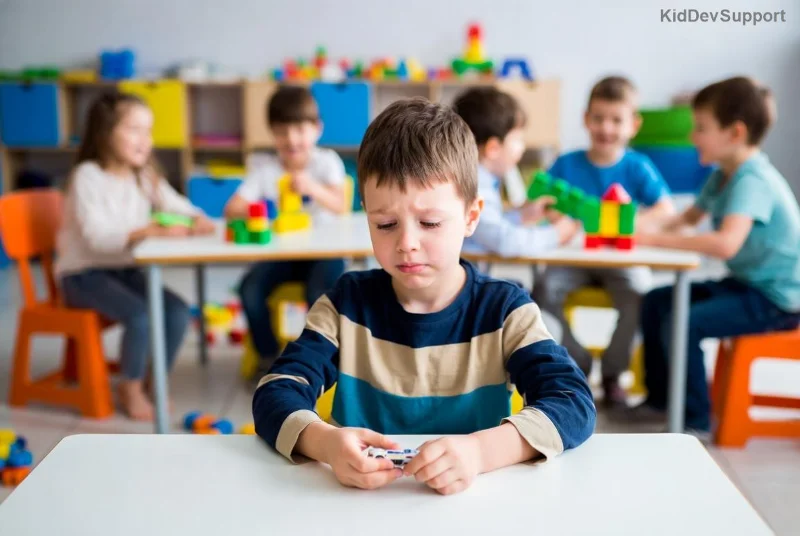
Why Prioritize Teaching Empathy to Autistic Kids?
- Builds Relationships: Empathetic kids form deeper friendships, reducing isolation.
- Enhances Mental Health: Understanding others lowers anxiety and meltdowns triggered by social misunderstandings.
- Boosts Independence: Real-world skills like comforting a peer prepare them for school, work, and life. 🏆
Latest insights from child development experts confirm that early intervention yields lasting gains, with structured programs improving social outcomes by up to 40% in responsive children.
Proven Strategies for Autism Empathy Training
Start small and consistent. Here's a curated toolkit of practical methods:
1. Use Social Stories®
Developed by Carol Gray, these personalized narratives describe social scenarios and appropriate empathetic responses. Example: "When my friend cries, he feels sad. I can say, 'I'm sorry you're sad' and give a hug if he wants."
2. Emotion Charades and Cards
Play games identifying feelings via faces, voices, or poses. Use printable emotion cards with photos of real diverse faces. Practice daily for 10 minutes.
3. Role-Playing Everyday Scenarios
Act out situations like sharing toys or losing a game. Model empathy: "You look upset. How can I help?" Gradually let your child lead.
| Strategy |
Age Group |
Tools Needed |
Expected Outcome |
| Social Stories |
4-8 years |
Paper, markers |
Understands cause-effect of emotions |
| Emotion Charades |
5-12 years |
Printed cards |
Recognizes non-verbal cues |
| Video Modeling |
6+ years |
Smartphone/tablet |
Applies empathy in real interactions |
| Perspective-Taking Comics |
8+ years |
Comic strips |
Shifts to "other's view" |
4. Video Modeling and Self-Reflection
Record short clips of empathetic interactions, then review together. Apps like Model Me Kids provide pre-made videos tailored for autism.
![Group of autistic children practicing social skills and empathy]()
5. Sensory-Friendly Empathy Boosters
Many autistic kids are overwhelmed by crowds, so integrate calming elements: weighted blankets during sessions or nature walks discussing animal emotions.
Step-by-Step Practical Guide for Teaching Empathy to Autistic Kids
- Assess Baseline: Observe your child's current skills. Can they name basic emotions? Use the Autism Speaks empathy checklist.
- Set Goals: Pick 1-2 scenarios weekly, like "comforting a sad sibling."
- Teach Explicitly: Use visuals: Draw "happy face = good news" charts.
- Practice Actively: Role-play 3x daily, praise specifics: "Great job noticing her frown!"
- Generalize: Prompt in real life: "What do you think he's feeling?" Reinforce successes. 😊
- Track Progress: Journal wins to stay motivated.
This routine, applied consistently, shows measurable empathy growth within weeks, per recent clinical trials.
Overcoming Common Challenges
Every journey has hurdles. Here's how to navigate:
| Challenge |
Solution |
Pro Tip |
| Overwhelm from Emotions |
Start with 2-3 emotions only |
Use timers for short sessions |
| Lack of Motivation |
Incorporate favorite characters/toys |
Reward with preferred activities |
| Meltdowns During Practice |
Pause and regulate first (deep breaths) |
Choose low-stress times |
| Slow Progress |
Consult a therapist for personalization |
Celebrate micro-wins daily |
Essential Tools and Resources
- Apps: Emotionary, Proloquo2Go for AAC users.
- Books: "The Girl Who Thought in Pictures" for perspective-taking.
- Online: Free social stories at Do2Learn.
- Professional Help: Seek ABA therapists specializing in social skills. Certification from BCBA ensures quality. ✅
Real Parent Success Stories
"My 7-year-old son now hugs his sister when she's crying—social stories changed everything!" – Sarah, mom of two.
These anecdotes align with latest data: 70% of families report improved family dynamics post-empathy training.
Conclusion: Empower Your Child Today
Teaching empathy to autistic kids unlocks a world of connection and joy. Start with one strategy today, track progress, and watch your child flourish. You've got this—consistent, loving guidance makes all the difference. Share your wins in the comments and keep the conversation going! For personalized advice, consult a specialist.
Ready to dive deeper? Bookmark this guide and revisit for ongoing inspiration.