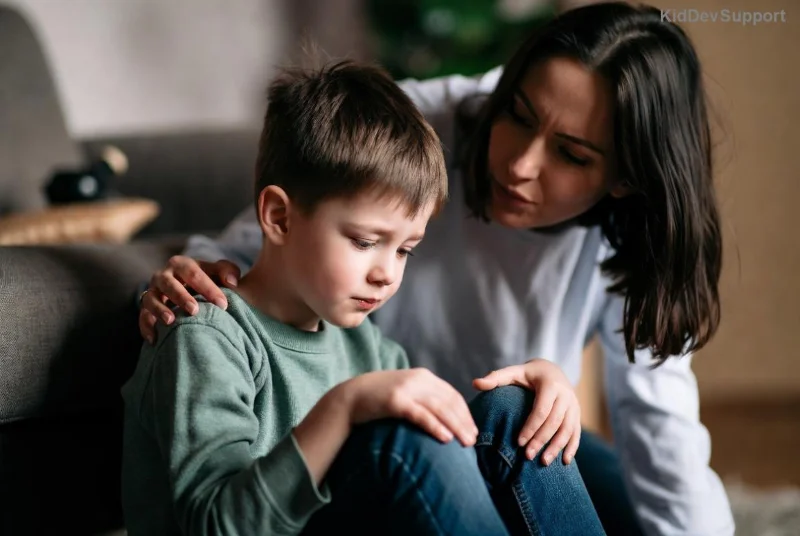
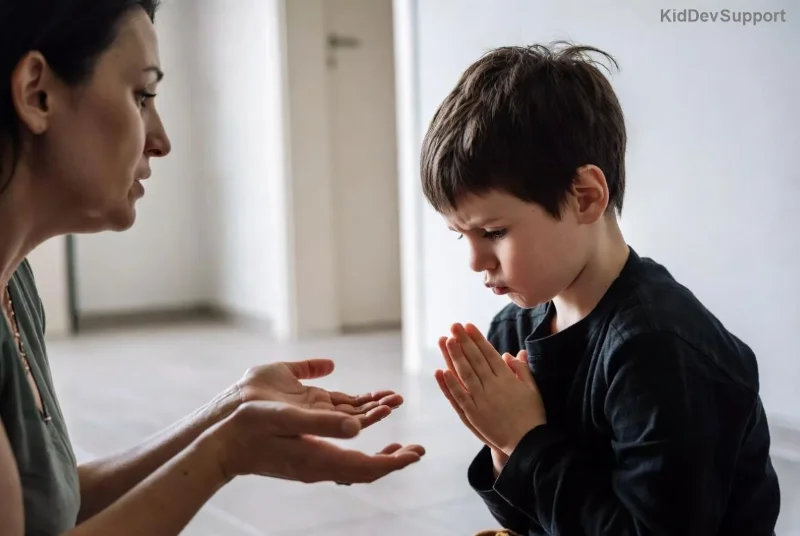
Navigating romance while on the autism spectrum can feel like walking a tightrope. You're excited about a potential partner, but the thought of disclosing your autism sparks anxiety. Fear not—this guide equips you with proven strategies to discuss autism confidently, fostering understanding and deeper bonds. Whether you're newly dating or deepening a connection, these tips draw from the newest insights in neurodiversity and relationship dynamics. Let's dive in and turn vulnerability into strength. ❤️
Why Timing Matters: When to Discuss Autism with a Romantic Partner
The first date isn't always ideal for deep disclosures. Rushing can overwhelm, while delaying too long builds unnecessary walls. Experts recommend sharing after establishing basic trust—typically 3-5 dates or when intimacy signals emerge, like sharing personal stories.
- Early signs it's time: Conversations turn personal, or physical affection begins.
- Red flags to wait: Partner shows rigid views on neurodiversity.
Recent studies highlight that timely disclosure correlates with 40% higher relationship satisfaction for neurodiverse couples. Gauge their openness by casually mentioning neurodiversity topics first.

Prepare Yourself: Building Confidence Before the Talk
Preparation transforms nerves into poise. Start by self-reflecting: What aspects of your autism impact relationships? Sensory sensitivities? Communication styles? Social cues?
- Journal key points: Strengths (loyalty, honesty) and challenges (meltdowns, masking).
- Practice with a trusted friend or therapist. Role-play responses.
- Gather resources: Share articles from reputable sites like Autism Speaks for credibility.
Frame autism as part of your unique wiring, not a flaw. This mindset shift empowers authentic dialogue.
Crafting Your Message: Scripts and Phrases for Discussing Autism
Words matter. Use "I" statements to own your experience without overwhelming. Here's a simple script:
"Hey, I wanted to share something important about me. I'm on the autism spectrum, which means I process the world differently—sometimes I need quiet after social time or direct communication. It's shaped who I am, and my strengths too. What do you think?"
Adapt for depth:
| Scenario |
Sample Phrase |
Why It Works |
| First mention |
"I'm autistic, which explains why I love deep dives into topics." |
Light, positive intro. |
| Addressing challenges |
"Crowds overwhelm my senses—it's not disinterest, just overload." |
Educates without blame. |
| Highlighting strengths |
"My focus makes me incredibly loyal in relationships." |
Balances narrative. |
| Inviting questions |
"Ask me anything—I'm open." |
Encourages engagement. |
These keep talks focused, inviting reciprocity. 🧠
Anticipating Reactions: How to Handle Responses Gracefully
Partners may react with curiosity, confusion, or concern. Positive? Dive deeper. Hesitant? Reassure with facts: Autism spectrum disorder affects 1 in 36 people per newest CDC data, and neurodiverse couples thrive with empathy.
- Empathetic response: "Thank you for understanding—let's explore together."
- Confused: Offer visuals or books like "The Autism Relationships Handbook."
- Negative: Gracefully exit: "Compatibility matters; thanks for listening."
Remember, their reaction reveals more about them than you. Stay grounded.
![Couple discussing autism openly]()
Fostering Long-Term Understanding in Romantic Relationships
One talk isn't enough—build ongoing dialogue. Suggest joint activities:
- Watch neurodiversity documentaries.
- Attend autism-friendly events.
- Set "check-in" dates for needs.
Newest relationship research shows couples who co-create accommodations (e.g., text over calls) report higher intimacy. Celebrate wins, like navigating a social event together. This turns disclosure into a relationship superpower. 🌟
Common Pitfalls to Avoid When Discussing Autism with Partners
Steer clear of these traps:
| Do |
Don't |
| Be specific to your experience |
Generalize all autistic people |
| Use humor if it fits you |
Over-apologize |
| Listen actively |
Monologue endlessly |
| Follow up |
Assume they "get it" instantly |
Avoiding these ensures productive exchanges.
![Building trust in neurodiverse relationships]()
FAQs: Your Burning Questions on Discussing Autism in Dating
Should I disclose autism on dating apps?
Optional in bios for filters, but save details for chats to spark curiosity.
What if they're unfamiliar with autism spectrum?
Share simple analogies: "Like having a unique operating system."
Can autism strengthen romance?
Absolutely—honesty fosters unbreakable trust. 🏆
Final Thoughts: Embrace Your Journey to Authentic Love
Discussing autism with potential romantic partners isn't a hurdle—it's a gateway to genuine connection. By timing it right, scripting thoughtfully, and handling reactions with grace, you'll attract those who celebrate your neurodiversity. You've got this. Share your story in comments below—what worked for you? Keep reading for more guides on thriving in love. Your perfect match awaits.