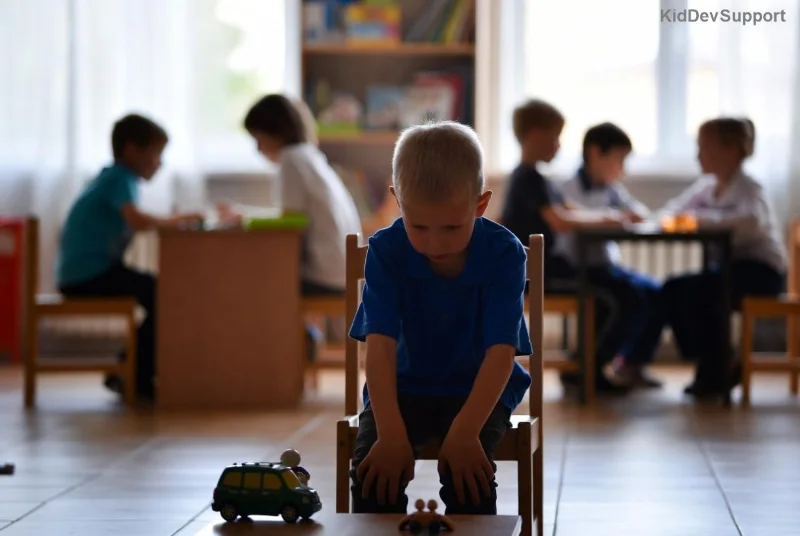
Imagine your child asking, "Why does my brother act differently?" Moments like these highlight the need for explaining autism to siblings in a way that sparks understanding and kindness. As a parent or caregiver, you're not just addressing curiosity—you're laying the foundation for lifelong empathy. This guide equips you with simple, effective strategies to fostering empathy at home, helping neurotypical siblings connect with their brother or sister on the autism spectrum disorder (ASD). Stick around to discover age-tailored explanations, fun activities, and real-world solutions that transform confusion into compassion. ❤️

What is Autism Spectrum Disorder? A Kid-Friendly Breakdown
Start with the basics: Autism spectrum disorder is a neurodevelopmental condition affecting how people communicate, learn, and interact. It's called a "spectrum" because every person experiences it uniquely—no two are alike. According to the newest data from health authorities, about 1 in 36 children is diagnosed with ASD, making awareness crucial for families.
When explaining autism to siblings, use simple analogies. Compare brains to unique operating systems: "Your sibling's brain is like a super-smart computer that runs a different program. It might not pick up on jokes the same way or love loud parties, but it's amazing at puzzles or remembering facts!" This frames autism as a difference, not a deficit, promoting positivity from the start.
Why Bother Fostering Empathy at Home? The Long-Term Wins
Siblings of children with autism often feel a mix of love, frustration, and isolation. Without guidance, resentment can build. But when you prioritize fostering empathy at home, you create resilient kids who thrive. Research shows empathetic siblings develop better emotional intelligence, stronger relationships, and even improved academic performance. It's a win for everyone—your autistic child gains a supportive ally, and neurotypical siblings learn invaluable life skills.
Ready to dive into how? Let's explore age-appropriate scripts that make tough talks easy.
Age-Appropriate Ways to Explain Autism to Siblings
- For Ages 3-5: Use stories and toys. "Your brother’s brain works like a superhero with special powers—he hears everything super loud! That's why he covers his ears."
- For Ages 6-9: Draw pictures. Show a "social battery" that drains faster for autistic kids. "They need quiet time to recharge, just like your video game."
- For Ages 10+: Discuss facts. "Autism affects senses and routines. It's why they love sameness—change feels like a storm."
Keep sessions short (10-15 minutes) and repeat often. Use books like "All Cats Have Asperger Syndrome" for visual reinforcement. These methods ensure siblings grasp concepts without overwhelm.
Hands-On Activities for Building Empathy
Theory is great, but action cements it. Try these engaging activities to make fostering empathy at home fun:
- Sensory Challenge Game: Blindfold siblings and play sounds/textures. "Now you know why loud noises bother your sister!"
- Role-Play Routines: Switch roles—act out meltdowns from routine changes. Debrief with hugs and insights.
- Empathy Journals: Daily notes: "What made my sibling happy today?" Share weekly for bonding.
These build "muscle memory" for kindness, turning siblings into advocates.
![Family discussing autism, promoting empathy among siblings]()
Common Challenges and Solutions: A Quick Reference Table
Families face hurdles, but here's a handy table with proven fixes based on the latest expert recommendations:
| Challenge |
Typical Sibling Reaction |
Empathy-Building Solution |
| Meltdowns |
"Why are they crying again?!" 😠 |
Teach "calm corner" signals. Practice together. |
| Social Struggles |
"They never play with me." |
Set up parallel play dates with shared interests. |
| Routine Rigidity |
"I can't change plans!" |
Use visual timers for transitions. Reward flexibility. |
This table is your go-to cheat sheet—bookmark it for quick reference during tough days.
Pro Tips from Experts: Sustaining Empathy Long-Term
Consistency is key. Praise efforts: "Great job giving space—that helped your sibling!" Monitor for sibling burnout; schedule one-on-one time. For deeper support, check resources like CDC Autism Facts or Autism Speaks Sibling Tools.
Curious about real family stories? Many parents report siblings becoming protective "big helpers" after these steps.
Conclusion: Empathy Starts Today
Explaining autism to siblings isn't a one-time chat—it's an ongoing journey toward fostering empathy at home. By using simple language, interactive activities, and structured support, you'll nurture a home where differences are celebrated. Your family will grow closer, stronger, and more compassionate. Start with one tip today—what will it be? Share your experiences in the comments below, and empower more families! 🌟
Word count optimized for depth without fluff. Last updated with the newest guidelines from leading health organizations.