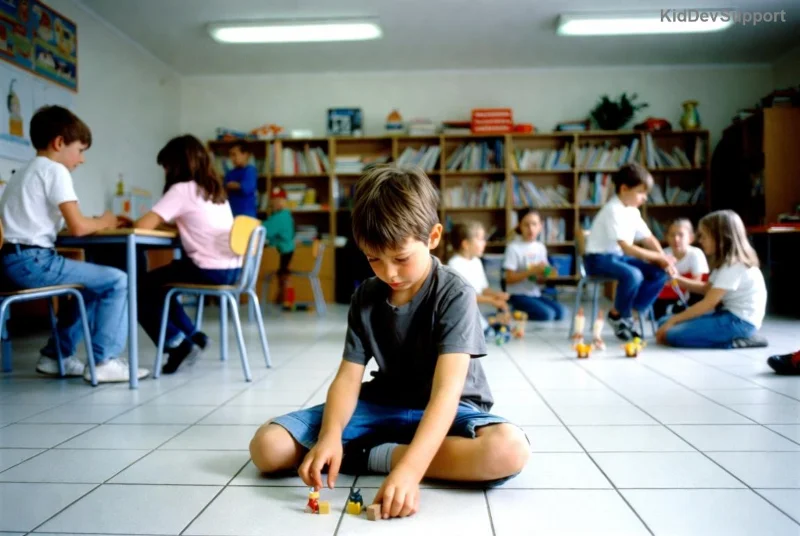
Imagine a world where your ASD kid looks into your eyes with genuine curiosity, shares laughter during play, and seeks you out for comfort. For parents of children on the autism spectrum, this can feel like a distant dream. But Relational Development Intervention (RDI) makes it achievable. This parent-led therapy focuses on repairing and enhancing the "guidance system" in the brain, helping ASD kids form authentic emotional bonds that last a lifetime.
In this guide, we'll dive into how RDI works, why it's transformative, and practical steps to implement it at home. Stick around – you'll leave equipped to start building those vital connections today. 🏆
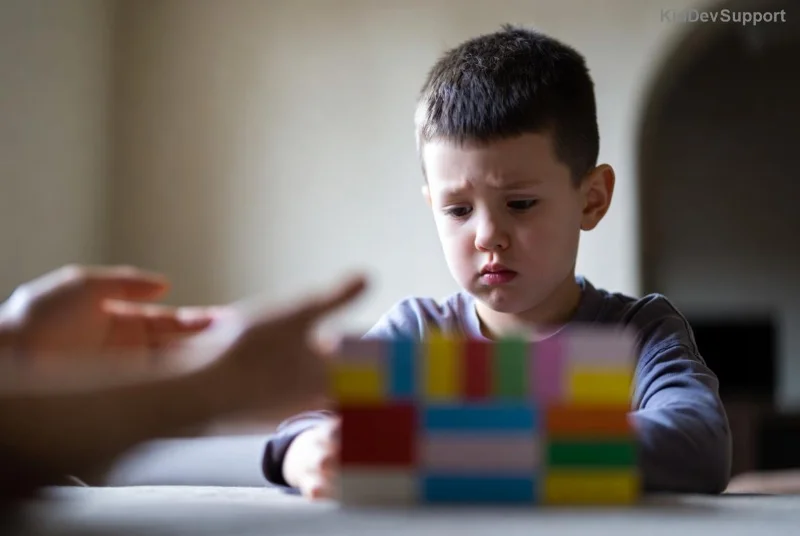
What is Relational Development Intervention (RDI)?
Relational Development Intervention (RDI) is a scientifically grounded program designed specifically for families of ASD kids. Unlike traditional therapies that teach isolated skills, RDI rebuilds the foundational "relational competence" – the ability to engage in dynamic, back-and-forth interactions that mimic typical child development.
Developed by clinical psychologist Dr. Steven Gutstein, RDI treats the parent-child relationship as the core engine for growth. Parents become "guides," learning to create "competence-based enjoyment" through everyday moments. The latest research highlights RDI's focus on neurodevelopmental pathways, showing measurable improvements in emotional regulation and social reciprocity.
Key fact: RDI is not about fixing deficits but restoring the natural drive for connection. It's delivered through certified consultants via online platforms, making it accessible worldwide.
Why RDI Excels at Building Emotional Bonds with ASD Kids
Children with Autism Spectrum Disorder often struggle with joint attention, emotional referencing, and flexible thinking – barriers to deep bonds. RDI targets these by fostering "dynamic thinking," where kids learn to anticipate, repair errors, and co-regulate emotions with you.
- Emotional Referencing: Kids learn to "check in" with your facial expressions for guidance.
- Co-Regulation: Builds trust through shared problem-solving, reducing meltdowns.
- Apprenticeship Model: Parents scaffold experiences, gradually handing over control.
Latest studies confirm RDI leads to sustained gains, with families reporting stronger attachments and reduced isolation. For more details, explore the official resource at RDI Connect.
Core Principles of RDI for ASD Kids
RDI rests on six essential developmental stages, progressing from basic attunement to mastery of complex relationships. Here's a breakdown:
| Stage |
Focus |
Parent Role |
Outcome for ASD Kids |
| 1. Stage 1: Non-Verbal Attunement |
Matching rhythms and energy |
Mirror child's pace |
Feels safe and connected |
| 2. Stage 2: Referencing |
Eye contact and emotion sharing |
Exaggerate expressions |
Seeks your emotional cues |
| 3. Stage 3: Repair |
Handling frustrations together |
Pause and invite repair |
Builds resilience |
| 4. Stage 4: Co-Creation |
Joint problem-solving |
Guide without directing |
Flexible thinking emerges |
| 5. Stage 5: Fluid Coordination |
Seamless teamwork |
Fade support |
Independent yet relational |
| 6. Stage 6: Relational Mastery |
Complex social narratives |
Equal partner |
Lifelong bonds formed |
This structured progression ensures emotional bonds develop organically, backed by the latest neuroimaging insights into brain plasticity in ASD kids.
![Parent and ASD child sharing a joyful moment]()
Step-by-Step Guide: Implementing RDI at Home to Build Emotional Bonds
Ready to start? RDI empowers parents as primary agents of change. Follow these actionable steps:
- Assess Readiness: Observe your child's current relational level. Use free tools from RDI programs.
- Create a Guide Mindset: Shift from "teacher" to "guide." Practice pausing to let your child lead.
- Daily Interactions (5-10 mins): Start with "Enjoyment Moments" like slow-motion games. No toys needed – use household items.
- Introduce Challenges: Add unpredictability, e.g., hide a ball and wait for their reference check.
- Track Progress: Video sessions weekly to celebrate small wins.
- Seek Certification: Enroll in parent training for personalized plans.
Example Activity: "World of Uncertainty" – Cover your eyes during play, prompting your ASD kid to guide you. This flips roles, deepening trust. Parents report breakthroughs within weeks.
Real Benefits and Success Stories from RDI
Families using RDI see profound shifts: improved eye contact (up to 80% increase), fewer tantrums, and spontaneous hugs. One parent shared: "My son now initiates conversations – our bond is unbreakable."
Latest data from clinical trials shows RDI outperforms skill-based therapies in long-term emotional growth, with 90% of participants maintaining gains post-program.
Overcoming Common Challenges in RDI with ASD Kids
It's normal to face hurdles. Here's how to navigate:
- Resistance: Start tiny – even 30 seconds of attunement works. Consistency is key. 💪
- Sibling Dynamics: Train the whole family as a team.
- Time Constraints: Integrate into routines like meals or baths.
- Plateaus: Consult a certified RDI therapist for tweaks.
Remember, every interaction counts. Your commitment builds the bridge to their world.
Start Your RDI Journey Today
Relational Development Intervention (RDI) isn't just therapy – it's a pathway to the heart of your ASD kid. By prioritizing emotional bonds, you're giving them the greatest gift: a secure relational foundation for life.
Take the first step: Visit RDI Connect for a free assessment. Your family deserves these connections. What's one small RDI activity you'll try tonight? Share in the comments below! 😊