Imagine a family gathering where everyone feels included and understood. For parents of autistic children, explaining autism to grandparents and extended family can bridge gaps, foster empathy, and create a supportive network. This guide cuts through confusion with straightforward facts, practical tips, and heartfelt advice. Whether you're preparing for a family reunion or casual chat, you'll gain tools to make autism relatable and approachable. Let's dive in—your family deserves this clarity. 😊
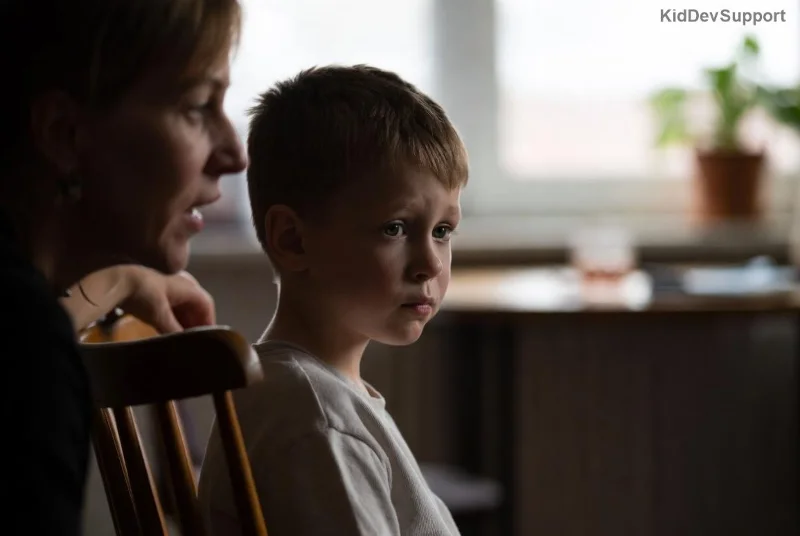
What Is Autism Spectrum Disorder? The Basics Every Family Member Needs
Autism, or Autism Spectrum Disorder (ASD), is a neurodevelopmental condition affecting how people communicate, interact socially, and process the world. It's called a "spectrum" because it varies widely—no two autistic individuals are exactly alike. Some thrive independently; others need lifelong support.
Key facts from the latest research:
- Autism appears in early childhood, often by age 2-3.
- It impacts 1 in 36 children, showing equal prevalence across genders in recent studies.
- Genetics play a major role, but environment contributes too.
When explaining autism to grandparents, start simple: "It's like their brain is wired differently—a unique operating system that sees the world in vivid colors but sometimes struggles with social cues."
Common Myths to Bust Right Away
| Myth | Reality |
|---|
| Autism is caused by vaccines or bad parenting. | No evidence supports this. Latest data confirms it's primarily genetic. |
| All autistic people are savants like in movies. | Only a small percentage have extraordinary skills; most have everyday strengths and challenges. |
| Autism means no emotions or love. | They feel deeply but express differently—patience reveals their rich inner world. |
Addressing myths head-on prevents misunderstandings and builds trust.
Recognizing Signs of Autism: What Grandparents Might Notice
Grandparents often spot early signs during playtime or visits. Help them understand these without alarm:
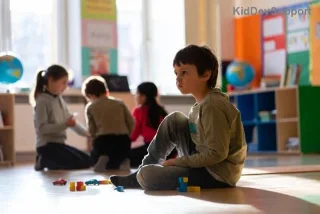
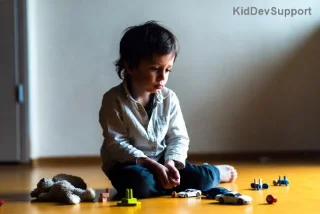
- Social Communication: Limited eye contact, delayed speech, or preferring solo play.
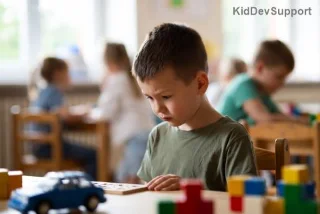
- Repetitive Behaviors: Hand-flapping, lining up toys, or intense focus on routines.
- Sensory Sensitivities: Overwhelmed by lights, sounds, or textures—leading to meltdowns.
Every child is unique. A table of age-based milestones can clarify:
| Age | Typical Development | Possible Autism Signs |
|---|
| 12-18 months | Points to share interest | No pointing or gesturing |
| 2 years | Simple pretend play | Echoes words without meaning |
| 3-4 years | Engages in group games | Resists changes intensely |
Encourage extended family to celebrate strengths like exceptional memory or creativity alongside challenges.
![Family supporting autistic child with love and patience]()
How to Explain Autism to Grandparents: Step-by-Step Conversation Guide
Timing matters—choose a calm moment, perhaps over coffee. Here's a proven script:
"Grandma/Grandpa, our child has autism. It means their brain processes information differently. They're incredibly smart and loving, but everyday things like loud noises or changes can be tough. Here's what helps..."
5 Key Tips for Effective Explaining Autism
- Use Analogies: "Like being left-handed in a right-handed world—everything works, just needs adaptation."
- Share Visuals: Show videos from reputable sources like CDC or Autism Speaks.
- Highlight Positives: "Your grandchild's passion for trains shows focus we all envy!"
- Invite Questions: "What confuses you most?" Listen without judgment.
- Demonstrate: During visits, model calm responses to behaviors.
This approach turns skeptics into allies, strengthening family bonds.
Practical Ways Extended Family Can Support an Autistic Child
Beyond understanding, action matters. Equip relatives with doable strategies:
- Create Predictability: Share daily schedules in advance.
- Sensory-Friendly Spaces: Dim lights, quiet corners at gatherings.
- Quality Time: One-on-one activities matching interests, like puzzles or nature walks.
- Positive Reinforcement: Praise efforts, not just outcomes. 🏅
For holidays, suggest "low-stimulation zones" to prevent overload. Track progress with a simple family chart:
| Activity | Adaptation | Outcome |
|---|
| Family Dinner | Headphones, favorite foods first | Child joins longer |
| Birthday Party | Short duration, visual timer | Less anxiety |
| Park Outing | Sensory toys, break spots | More smiles |
These tweaks make inclusion effortless and joyful.
![Grandparents bonding with autistic grandchild through play]()
Real-Life Stories: Grandparents Who Got It Right
Meet Sarah's family: Her grandma once saw meltdowns as "tantrums." After a heartfelt talk using puzzles as an analogy (autism brains love patterns), she now preps "calm kits" for visits. Result? Weekly hugs and shared stories.
Or Tom's uncle, who learned sign language to connect non-verbally. These transformations show empathy wins.
Latest studies affirm: Family involvement boosts autistic children's outcomes by 30-50% in social skills and independence.
Overcoming Resistance: Handling Tough Reactions Gracefully
Not everyone embraces change immediately. If a relative says, "Just discipline more," respond: "We've tried that. Autism needs understanding, like glasses for vision." Suggest books like The Reason I Jump by Naoki Higashida for insider views.
Patience pays off—most come around when they see progress.
Final Thoughts: Build a Legacy of Love and Inclusion
Explaining autism to grandparents and extended family isn't a one-time talk; it's ongoing. Your efforts create a safety net of love, helping your child flourish. Start today: Pick one tip, share it, and watch connections deepen.
Ready for more? Download our free autism family toolkit or join our community forum below. Together, we unlock hearts. 💖
Information based on the latest guidelines from health authorities like the CDC and Autism Society.