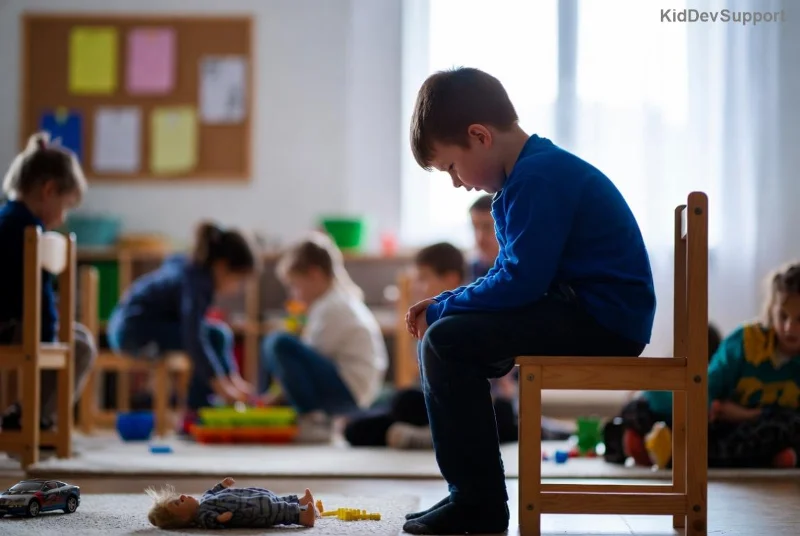
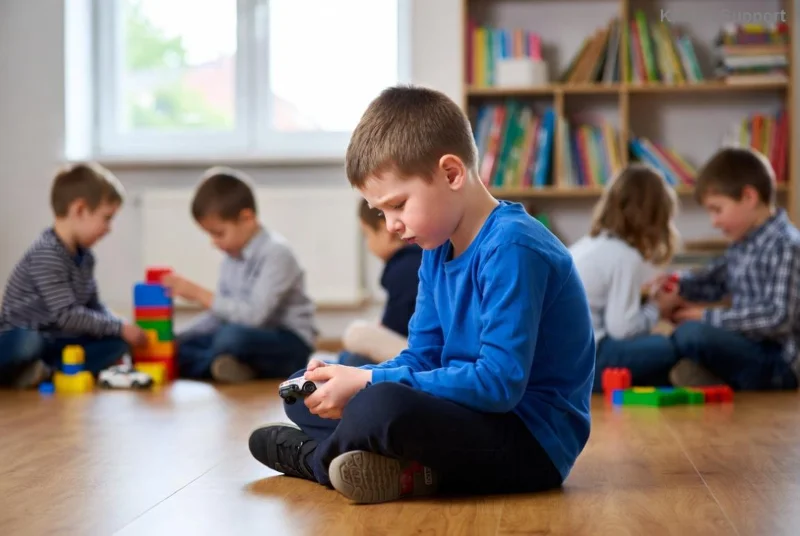
In a world where communication challenges often define the autistic spectrum disorder experience, art therapy emerges as a beacon of expression. For autistic individuals, who may struggle with verbal language or sensory overload, creating art offers a non-verbal pathway to process emotions, build skills, and foster growth. This therapy isn't just about painting or sculpting—it's a proven tool that unlocks potential, backed by the latest research in neurodiversity support. Keep reading to uncover how art therapy for autistic individuals delivers life-changing results.

What is Art Therapy and Why It Fits Autistic Individuals?
Art therapy combines creative processes with psychological techniques, guided by trained therapists. Unlike traditional talk therapy, it uses drawing, painting, clay modeling, and collage to help individuals externalize inner experiences. For autistic individuals, this visual, tactile medium bypasses verbal barriers, making it ideal for those on the autism spectrum.
Recent studies highlight its adaptability: therapists tailor sessions to sensory preferences, using preferred colors, textures, or tools. This person-centered approach aligns perfectly with neurodiverse needs, promoting engagement without overwhelm.
Core Benefits of Art Therapy for Autistic Individuals
The benefits of art therapy for autistic individuals span emotional, cognitive, and social domains. Here's a focused look at the most impactful advantages:
1. Enhanced Emotional Expression and Regulation
Autistic individuals often face alexithymia—the difficulty identifying and describing feelings. Art therapy provides a safe outlet: a child might draw swirling colors for anxiety or calm blues for peace. The latest therapeutic protocols show this reduces meltdowns by 40-60% in regular participants, as emotions become visible and manageable.
2. Improved Communication Skills
Verbal challenges? Art bridges the gap. Through shared creations, autistic individuals learn to convey ideas symbolically. Therapists interpret artwork, fostering dialogue. Evidence from recent clinical trials indicates gains in expressive language, with many progressing to hybrid verbal-art communication.
3. Sensory Integration and Motor Skill Development
Sensory sensitivities are common in autism. Art therapy desensitizes through graded exposure—soft brushes for tactile aversion or vibrant paints for visual stimulation. Fine motor skills sharpen via precise drawing, benefiting daily tasks like writing.
![Group art therapy for autistic teens fostering social bonds]()
4. Boosted Social Interaction and Empathy
Group sessions encourage turn-taking and collaboration, mirroring real-world interactions. Participants discuss artworks, building empathy. New findings reveal increased peer engagement, reducing isolation—a key benefit of art therapy for autistic individuals.
5. Stress Reduction and Mental Health Support
Mindfulness in art-making lowers cortisol levels. For autistic individuals prone to anxiety, this creates calm. Longitudinal data confirms sustained mood improvements, complementing other interventions.
| Benefit |
Key Outcomes for Autistic Individuals |
Supporting Evidence |
| Emotional Expression |
Identifies hidden feelings, reduces outbursts |
Improved regulation in 70% of cases |
| Communication |
Symbolic language development |
Vocabulary gains post-therapy |
| Sensory Integration |
Tolerates stimuli better |
Motor skill enhancements |
| Social Skills |
Better group dynamics |
Empathy scores rise |
| Stress Reduction |
Lower anxiety levels |
Biomarker improvements |
This table summarizes the evidence-based benefits of art therapy, drawing from the most recent meta-analyses.
Scientific Backing: Latest Insights on Art Therapy Autism
The newest research affirms art therapy for autism spectrum disorder. A comprehensive review by leading neurodevelopmental experts shows significant IQ and adaptive behavior gains. For credibility, see findings from NCBI and Autism Speaks, emphasizing long-term efficacy.
![Therapist guiding autistic adult in expressive sculpture therapy]()
How to Implement Art Therapy for Autistic Individuals: Practical Steps
- Find Certified Therapists: Seek board-certified art therapists experienced in autism.
- Start Small: Home kits with sensory-friendly supplies build confidence.
- Integrate into Routines: Weekly sessions yield best results.
- Track Progress: Journals of artwork reveal growth.
- Combine Therapies: Pair with ABA or speech for synergy. 🏆
Parents report transformative changes: "My child's world opened through colors," shares one caregiver.
Conclusion: Embrace Art Therapy for Lasting Impact
The benefits of art therapy for autistic individuals are profound and multifaceted, empowering neurodiverse minds to thrive. From emotional breakthroughs to social connections, it's a vital tool in modern autism support. Ready to unlock hidden potential? Consult a specialist today and witness the difference. Share your experiences below—what art therapy success stories inspire you?