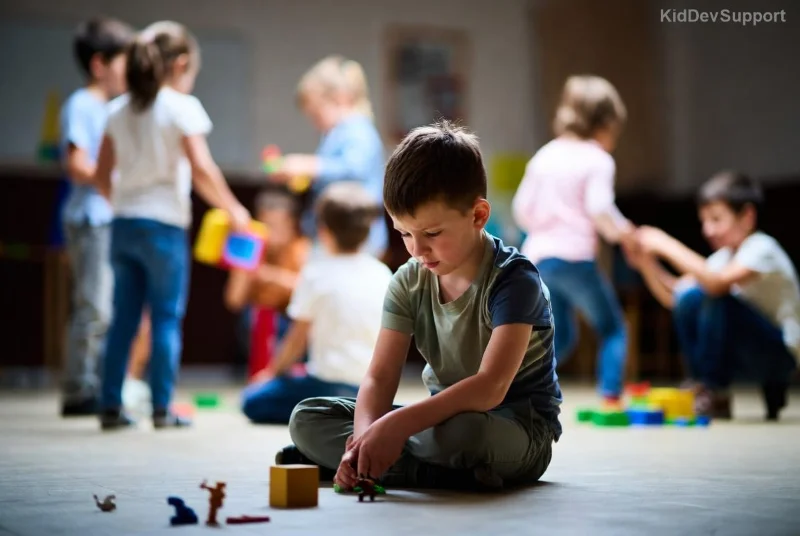
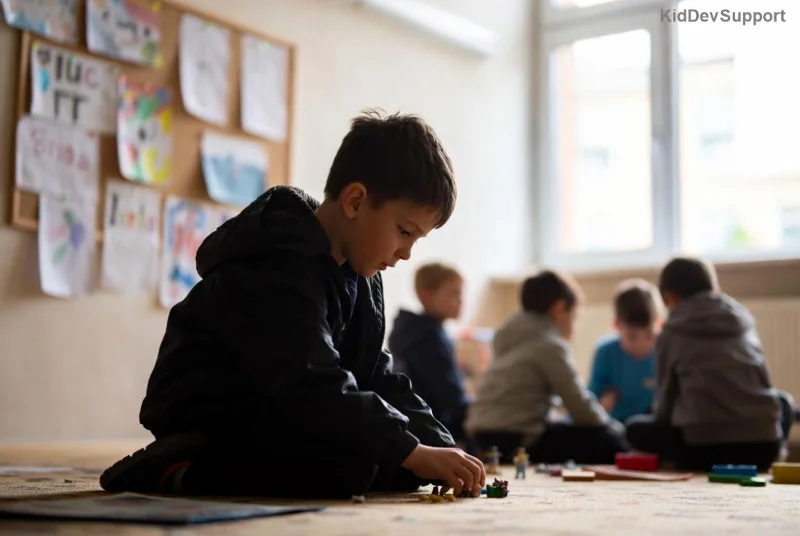
In the world of autism spectrum disorder (ASD), joint attention stands as the cornerstone of meaningful communication. Imagine a child on the spectrum finally locking eyes with you, pointing to a toy, and sharing that spark of excitement. That's the power of teaching joint attention—it bridges the gap between isolation and connection. This guide dives deep into why it's essential and how parents, therapists, and educators can implement effective strategies to foster this vital skill in children on the spectrum.
Recent advancements in behavioral interventions highlight that early mastery of joint attention predicts long-term success in language development and social integration. Keep reading to uncover actionable steps that deliver real results.
What is Joint Attention and Why Does it Matter?
Joint attention refers to the ability to share focus on an object or event with another person, using eye gaze, gestures, or vocalizations. For typically developing children, it emerges naturally around 9-12 months. But for children on the spectrum, this skill often lags, leading to challenges in social reciprocity and communication.
Without joint attention, conversations stall, play becomes solitary, and learning opportunities fade. Studies from leading autism research centers show that deficits here correlate with delayed speech and higher support needs later in life. Mastering teaching joint attention isn't just beneficial—it's transformative.

The Science Behind Joint Attention Deficits in ASD
Neuroimaging reveals that children on the spectrum process social cues differently, with reduced activation in brain areas like the superior temporal sulcus. The latest naturalistic developmental behavioral interventions (NDBIs) target this by embedding teaching into play, yielding up to 50% gains in engagement metrics.
Key components include:
- Initiating joint attention (child points or shows)
- Responding to joint attention bids (following gaze or point)
- Shifting attention between people and objects
Building these lays the groundwork for theory of mind and empathy.
Proven Strategies for Teaching Joint Attention
Effective teaching joint attention relies on evidence-based methods like Applied Behavior Analysis (ABA), Pivotal Response Treatment (PRT), and Early Start Denver Model (ESDM). Here's how to apply them at home or in therapy.
1. Play-Based Interventions
Use toys with high interest. Place a desired item slightly out of reach and follow the child's lead. When they glance, narrate enthusiastically: "Look at the ball!" Pair with eye contact reinforcement. ✅
2. Naturalistic Teaching
Embed cues in daily routines. During meals, point to food and say, "Yum, apple!" Wait for response, then reward with a bite. Consistency turns routines into teachable moments.
3. Technology-Aided Tools
The newest apps with interactive videos guide joint attention practice, tracking progress via AI. Combine with human interaction for best outcomes.
| Strategy |
Description |
Expected Outcome |
Age Suitability |
| Imitation Games |
Mirror child's actions with toys, exaggerate gaze shifts |
Increased pointing and sharing |
18-36 months |
| Turn-Taking Play |
Roll ball back and forth, labeling each turn |
Better response to bids |
2-5 years |
| Social Stories |
Visual books depicting joint focus scenarios |
Enhanced initiation |
All ages |
| PRT Prompts |
Child choice leads to shared activity |
Spontaneous engagement |
Under 5 |
This table outlines core tactics—pick one to start today and build from there.
![Therapist teaching joint attention to child with autism]()
Step-by-Step Guide to Teaching Joint Attention at Home
- Assess Baseline: Observe for 10 minutes during play. Note eye contact, pointing, or following gaze. Track weekly.
- Create Opportunities: Use bubbles or wind-up toys. Blow bubbles, point, and say, "Bubble go up!" Pause for response.
- Reinforce Positively: Immediate praise or access to item upon success. Avoid demands.
- Expand Complexity: Move to triadic interactions (child-you-object).
- Generalize: Practice across settings—park, store, school.
Parents report breakthroughs in weeks with daily 15-minute sessions. Wondering about challenges? Common hurdles like sensory overload can be mitigated with quiet spaces and preferred items.
Measuring Progress and Overcoming Obstacles
Use tools like the Early Social Communication Scales (ESCS) for objective tracking. Milestones: First shared gaze at 6 months practice, reliable pointing by 12 months.
Challenges include motivation dips—counter with high-value reinforcers. If progress stalls, consult a BCBA-certified therapist. For resources, explore CDC Autism Guidelines or Autism Speaks Toolkits.
![Happy child on spectrum sharing joint attention moment]()
Long-Term Benefits and Next Steps
Children mastering joint attention show exponential gains in vocabulary, friendships, and independence. The latest longitudinal data confirms it reduces ASD severity scores over time.
Ready to transform your child's world? Start with one strategy today. Schedule a professional evaluation if needed—early intervention is key. Share your progress in comments below and join the community fostering connections.
Empower communication, one shared glance at a time. 🌟