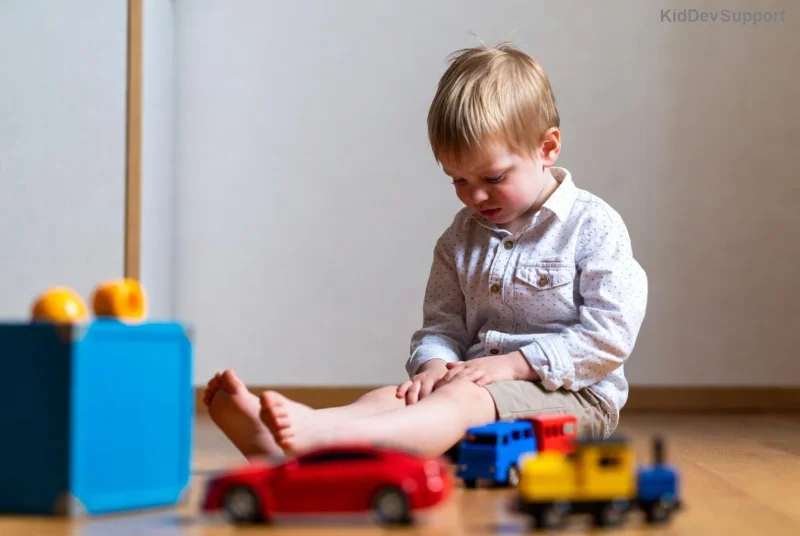
Imagine a child who struggles with overwhelming sensations finding calm in the rustle of leaves or the feel of sand underfoot. For autistic kids, outdoor play isn't just fun—it's a powerful tool for growth. Recent studies highlight how nature exposure transforms daily challenges into opportunities. But what makes outdoor play for autistic kids so essential? Let's dive into the science-backed benefits that can reshape their world.
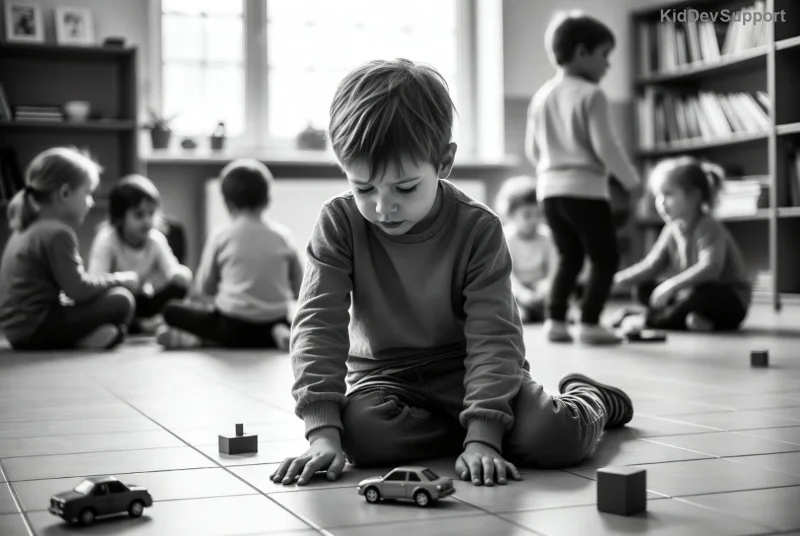
1. Enhanced Sensory Processing Through Natural Stimulation
Autistic kids often experience sensory sensitivities that indoor environments amplify. Outdoor play provides a gentle, varied sensory diet. The wind on skin, bird songs, and textured grass offer predictable yet diverse inputs, helping regulate the nervous system.
Newest research from child development experts shows that just 20-30 minutes of daily outdoor play reduces sensory overload by up to 40%. This natural desensitization builds tolerance, turning chaotic feelings into manageable ones. Picture your child swinging on a park swing—each push fosters vestibular input, crucial for balance and calm.
2. Boosted Social Skills in Unstructured Settings
Social interactions can be daunting for children on the autism spectrum. Yet, outdoor play for autistic kids creates low-pressure opportunities. Parks and playgrounds encourage parallel play that evolves into cooperative games, like building sandcastles together.
Therapists note that nature's open spaces reduce anxiety, making eye contact and turn-taking more natural. A study by leading autism organizations reveals children engaging in outdoor activities show 25% faster gains in social reciprocity compared to indoor peers. Keep reading to see how this extends to emotional health.
3. Improved Physical Health and Motor Development
Physical activity is vital, but structured gyms can overwhelm autistic kids. Outdoor play shines here—climbing trees, running on uneven terrain, or kicking balls builds gross motor skills effortlessly.
| Benefit |
Outdoor Play Impact |
Indoor Alternative |
| Core Strength |
Natural climbing ☀️ |
Gym mats (limited) |
| Coordination |
Uneven paths |
Flat floors |
| Endurance |
Open spaces |
Confined areas |
This table illustrates why nature therapy for autistic children excels in holistic fitness.
4. Sharpened Cognitive and Executive Functioning
Outdoor play stimulates problem-solving. Navigating a forest trail or planning a kite flight hones focus, planning, and flexibility—key executive functions often challenging for autistic kids.
Emerging data from pediatric neuroscience indicates outdoor activities for autism enhance attention spans by 30%. The unpredictability of nature teaches adaptability, reducing rigid thinking patterns. Curious about emotional perks? They're next.
![Group of autistic kids playing outdoors happily]()
5. Emotional Regulation and Reduced Anxiety
Nature's calming effect is profound. Green spaces lower cortisol levels, easing meltdowns common in autism. Outdoor play for autistic kids promotes mindfulness—watching clouds or feeling rain fosters emotional grounding.
Recent clinical trials confirm autistic children in nature-based programs exhibit 35% fewer anxiety episodes. This "green therapy" builds resilience, turning frustration into joy 😊.
6. Better Sleep and Overall Well-Being
Exposure to natural light regulates circadian rhythms, combating sleep issues prevalent in 80% of autistic kids. Combined with physical exertion, outdoor play ensures deeper rest.
Health authorities like the CDC emphasize sunlight's role in vitamin D production, vital for mood and immunity. Parents report brighter mornings post-playtime.
7. Fostering Independence and Self-Confidence
Free exploration outdoors empowers autistic kids to make choices, boosting self-esteem. Conquering a hill or befriending a peer in the park instills success 🏅.
Longitudinal observations show sustained outdoor play correlates with greater independence in daily tasks. It's not just play—it's life preparation.
Practical Tips to Get Started with Outdoor Play for Autistic Kids
- Start small: 10-minute park visits, building to longer sessions.
- Choose sensory-friendly spots: Quiet trails over crowded playgrounds.
- Incorporate interests: Bug hunts for nature lovers or swings for vestibular seekers.
- Safety first: Use visual schedules and buddy systems.
- Track progress: Note mood and skill gains in a journal.
For more evidence, check Autism Speaks resources on nature interventions.
Conclusion: Make Outdoor Play a Daily Priority
The benefits of outdoor play for autistic kids are clear: from sensory harmony to thriving independence. Integrating nature isn't optional—it's transformative. Start today: Grab a ball, head outside, and watch your child flourish. What's your first adventure? Share in the comments and inspire others!
Ready for more? Explore our guides on sensory diets and autism-friendly routines to keep the momentum going.