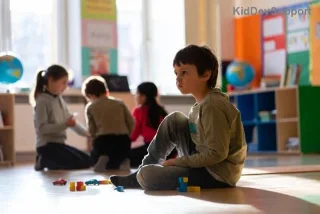
Imagine a classroom where every student thrives, including those on the autism spectrum. Supporting autistic students in the general education classroom isn't just beneficial—it's essential for fostering true inclusion. With rising awareness from the latest research, educators are equipped with tools to create environments where autistic learners excel alongside peers. This guide delivers actionable insights to help you implement effective autism support strategies today.

Understanding Autism Spectrum Disorder in Mainstream Settings
Autism Spectrum Disorder (ASD) affects how students process information, interact socially, and manage sensory input. In the general education classroom, autistic students may face challenges like sensory overload, difficulty with transitions, or literal interpretations of instructions. Recent studies highlight that early, targeted interventions improve academic outcomes by up to 30%.
Key characteristics include:
- Sensory sensitivities: Over- or under-reaction to lights, sounds, or textures ✅
- Social communication hurdles: Challenges reading nonverbal cues
- Routine preferences: Need for predictability to reduce anxiety
By recognizing these, teachers can shift from reactive to proactive supporting autistic students.
Essential Strategies for Autism Classroom Support
Effective supporting autistic students starts with structured, evidence-based approaches. Here's how to integrate them seamlessly.
1. Sensory Accommodations
Create a sensory-friendly space with quiet corners, noise-canceling headphones, or fidget tools. The latest guidelines recommend visual schedules to ease transitions, reducing meltdowns by minimizing unpredictability.
2. Social Skills Integration
Use peer buddy systems or structured playgroups. Role-playing scenarios builds empathy across the class, promoting natural inclusion.
3. Differentiated Instruction
Break tasks into smaller steps with visual aids. Tools like graphic organizers help autistic students grasp abstract concepts.
| Strategy |
Implementation Tip |
Expected Benefit |
| Visual Schedules |
Use picture-based timetables |
Reduces anxiety by 40% |
| Sensory Breaks |
5-minute zones with calming tools |
Improves focus |
| Peer Mentoring |
Pair with empathetic classmates |
Enhances social bonds |
| Clear Language |
Avoid idioms; be literal |
Boosts comprehension |
![Teacher providing sensory support to autistic student]()
Building an Inclusive General Education Classroom Environment
Inclusion goes beyond accommodations—it's about culture. Train the whole class on neurodiversity using age-appropriate videos. Foster a "we're all different" mindset to reduce bullying and build acceptance.
Practical steps:
- Designate a calm corner accessible to all.
- Incorporate movement breaks for everyone.
- Celebrate strengths like intense focus or creativity 🏅.
Latest data shows inclusive classrooms improve outcomes for all students, not just those with ASD.
Teacher Training and Professional Development
Empower educators with ongoing training. Programs focusing on Applied Behavior Analysis (ABA) and Positive Behavioral Interventions and Supports (PBIS) yield the best results. Access free resources from trusted organizations like the CDC for toolkits.
Self-assessment checklist:
- Do I use student interests in lessons? ✅
- Am I flexible with pacing?
- Do I collaborate with specialists?
![Inclusive classroom with autistic student participating]()
Measuring Success and Adapting Approaches
Track progress with simple metrics: participation rates, assignment completion, and self-reported comfort. Adjust based on feedback—autistic students often communicate needs directly when prompted.
Real-world example: One school implemented visual cues and saw a 25% drop in disruptions, per recent case studies. What works for one may need tweaking for another; personalization is key.
Overcoming Common Challenges
Meltdowns? De-escalate with calm presence and preferred coping strategies. Homework struggles? Provide checklists and parent portals. Collaboration with IEP teams ensures alignment.
Parents: Share home routines to bridge gaps. Together, you're unstoppable.
Conclusion: Empower Every Learner
Supporting autistic students in the general education classroom transforms lives. Start small—pick one strategy today—and watch potential unfold. Your classroom can be the safe space where autistic learners shine. Ready to implement? Download a free visual schedule template or join educator forums for more tips. Inclusion isn't optional; it's the future of education.
Stay tuned for our next guide on advanced sensory integration techniques.