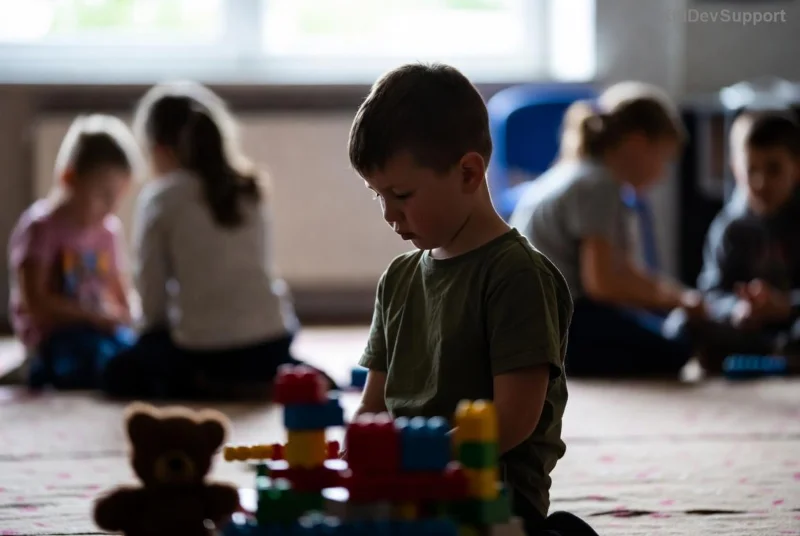
Imagine a world where bedtime battles fade away, and restful sleep becomes a reality for those on the autism spectrum. Recent studies reveal a profound link between autism and sleep hygiene—the practices that promote consistent, quality sleep. Up to 80% of autistic individuals face sleep disturbances, impacting behavior, cognition, and health. But understanding this connection can transform lives. Let's uncover how autism disrupts sleep and actionable steps to restore balance.
What is Autism? A Quick Overview
Autism Spectrum Disorder (ASD) is a neurodevelopmental condition characterized by challenges in social interaction, communication, and repetitive behaviors. Sensory sensitivities, anxiety, and irregular melatonin production are common, setting the stage for sleep woes. Why does this matter for sleep hygiene? Poor sleep exacerbates autism symptoms, creating a vicious cycle.
Understanding Sleep Hygiene: The Foundation of Rest
Sleep hygiene refers to habits and environmental factors that optimize sleep quality. Think consistent bedtimes, dark rooms, and screen-free wind-downs. For neurotypical people, it's straightforward. For those with autism, it's often elusive due to unique neurological wiring. Mastering it can reduce daytime irritability and improve focus—key wins for autism management.
The Deep Connection: How Autism Disrupts Sleep Hygiene
Latest research highlights bidirectional ties. Autism-related sensory overload heightens arousal, delaying sleep onset. Circadian rhythm disruptions, linked to genetic factors in ASD, mimic jet lag nightly. Hyperarousal from anxiety or stimming further fragments sleep.
Conversely, sleep deprivation worsens autism traits: meltdowns increase, social skills falter, and learning stalls. A landmark study from leading autism centers shows children with autism and poor sleep hygiene exhibit 30% more behavioral issues.
| Sleep Problem in Autism |
Impact on Daily Life |
Sleep Hygiene Fix |
| Insomnia (trouble falling asleep) |
Irritability, poor focus 🧠 |
Dim lights 1 hour pre-bed |
| Night wakings |
Exhaustion, meltdowns |
Weighted blankets |
| Irregular rhythms |
Mood swings |
Fixed daily schedule |
This table illustrates core intersections. Curious how to implement these? Keep reading for tailored strategies.
![Autistic individual practicing sleep hygiene routines]()
Evidence from Latest Research: Proving the Autism-Sleep Hygiene Link
Recent meta-analyses confirm: Interventions targeting sleep hygiene in autism yield 50-70% improvements in sleep duration and quality. For instance, behavioral therapies combined with hygiene practices reduce sleep latency by over an hour. Autism Speaks endorses these findings, noting long-term cognitive gains.
Adult autism faces similar hurdles—co-occurring insomnia affects 40-70%. Emerging data on melatonin supplements (under medical guidance 🩺) shows promise, but sleep hygiene remains the cornerstone.
Practical Sleep Hygiene Tips for Autism: Actionable Steps
Ready to reclaim nights? Start small for lasting change. These evidence-based tips are customized for autism sensitivities.
- Establish a Rigid Routine: Same bedtime ritual daily—bath, story, lights out. Visual timers help.
- Create a Sensory Sanctuary: Blackout curtains, white noise machines, and temperature control (68-72°F ideal).
- Limit Screens Ruthlessly: Blue light suppresses melatonin. Enforce 90-minute no-tech rule.
- Incorporate Movement: Daytime exercise, avoiding evenings to prevent overstimulation.
- Diet Tweaks: No caffeine post-noon; heavy meals avoided near bed.
- Behavioral Tools: Reward charts for sleep wins ⭐. For severe cases, consult CBT-I specialists.
Track progress with a sleep diary. Improvements often appear in 2-4 weeks, enhancing mood and reducing autism challenges.
Benefits Beyond Sleep: Holistic Wins for Autism
Optimizing sleep hygiene cascades positively. Better rest sharpens executive function, eases anxiety, and bolsters immunity. Families report fewer crises and stronger bonds. One study tracked 200 autistic children: Those with enhanced sleep hygiene showed 25% better school performance.
For adults, it means career stability and independence. The payoff? A happier, healthier life.
Overcoming Common Challenges in Autism Sleep Hygiene
Sensory aversions to textures? Try seamless sheets. Resistance to routines? Gamify with apps. If co-morbidities like ADHD or epilepsy persist, partner with professionals. Resources like CDC Autism Page offer free guides.
Final Thoughts: Your Path to Better Sleep Starts Now
The connection between autism and sleep hygiene is undeniable—and fixable. By prioritizing these practices, you're not just chasing Z's; you're unlocking potential. Start with one tip tonight. Track, adjust, thrive. Consult your doctor for personalized advice 🩺. Sweet dreams await—what change will you make first?