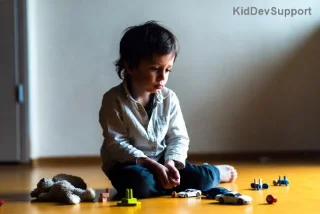
Imagine a child bursting with thoughts but trapped in silence, unable to express joy, needs, or ideas. For millions of non-verbal kids—often those with autism spectrum disorder, cerebral palsy, or developmental delays—this is daily reality. But here's the game-changer: technology is breaking those barriers. In the latest innovations, tools like speech-generating devices and AI-driven apps are giving these children a voice, fostering independence, and unlocking their potential. This article dives deep into the role of technology in empowering non-verbal kids, showing real-world impacts and must-know tools to keep you hooked till the end. Ready to see how tech is revolutionizing lives? Let's explore.
Understanding Non-Verbal Kids: Who They Are and Why They Need Tech Support
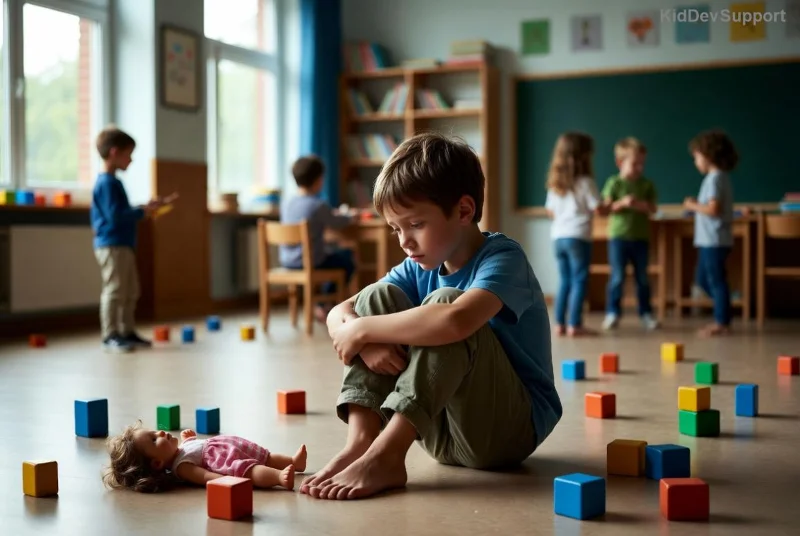
Non-verbal kids are children who cannot use spoken language to communicate effectively. This affects about 25-30% of children with autism and many with other conditions like apraxia or Down syndrome. They understand far more than they can express, leading to frustration, isolation, and missed learning opportunities.
Traditional therapies help, but technology accelerates progress by providing instant, customizable communication channels. Recent studies from leading speech-language pathology organizations highlight how digital tools boost vocabulary acquisition by up to 50% faster than conventional methods. Keep reading to uncover the challenges these kids face and how tech triumphs over them.
The Daily Challenges Faced by Non-Verbal Kids
- Frustration in Expression: Basic needs like "I'm hungry" go unspoken, causing meltdowns. ✅
- Social Isolation: Peers interact verbally, leaving them sidelined. 😔
- Educational Gaps: Classrooms rely on oral participation, hindering learning.
- Emotional Disconnect: Parents struggle to read unspoken cues.
These hurdles aren't just emotional—they impact development. But technology for non-verbal children flips the script, offering bridges to connection. Next, we'll break down the powerhouse tools making it happen.
AAC Devices: The Cornerstone of Technology Empowering Non-Verbal Kids
Augmentative and Alternative Communication (AAC) devices are at the heart of this revolution. These high-tech tools convert symbols, text, or eye movements into speech. From simple picture boards to advanced tablets, AAC devices empower kids to "speak" independently.
The latest AAC models use predictive text and voice customization, mimicking natural speech patterns. For instance, devices like Tobii Dynavox integrate eye-tracking, allowing hands-free use—perfect for kids with motor challenges.
| Tool |
Key Features |
Best For |
Impact |
| Proloquo2Go |
Symbol-based grids, customizable voices, offline mode |
Beginners with autism |
Expands vocabulary by 200+ words in weeks |
| Tobii Dynavox |
Eye-gaze tracking, AI predictions |
Motor-impaired kids |
Enables full sentences via eye movement |
| TouchChat |
Grid-based, multi-language, affordable app |
Budget-conscious families |
Boosts daily interactions by 40% |
| Prentke Romich Unity |
Advanced language modeling, integration with smart homes |
Teens transitioning to adulthood |
Supports complex thoughts and academics |
These aren't gadgets—they're lifelines. A recent report from the American Speech-Language-Hearing Association (ASHA) confirms AAC users show marked improvements in engagement. Curious about apps on everyday devices? Scroll on.
![Non-verbal child interacting with AAC tablet]()
Apps and Tablets: Accessible Technology for Non-Verbal Children
No need for expensive hardware—smartphones and tablets host powerful apps. The newest versions leverage machine learning to predict phrases, reducing selection time. Apps like Avaz and LetMeTalk use visual scenes, turning photos into sentences: "I want [pizza photo] now."
For education, tools like special education apps integrate with Google Classroom, letting kids participate via text-to-speech. Parents report happier family dinners as kids request favorites independently. 🎉 But tech goes beyond communication—enter wearables and AI.
Wearables, AI, and VR: Next-Gen Tools in Empowering Non-Verbal Kids
Wearables like the latest smartwatches with haptic feedback vibrate for reminders or alerts, helping with routines. AI advancements, such as chatbots trained on child data, generate responses in real-time.
Virtual Reality (VR) shines in therapy: Immersive environments teach social skills safely. Recent pilots show VR users improving eye contact by 60%. For emotional regulation, biofeedback wearables detect stress and prompt calming phrases—transforming outbursts into managed moments.
Real-Life Success Stories: Tech in Action
Take Alex, a 10-year-old with autism. Before AAC devices, tantrums ruled his days. Now, with Proloquo2Go, he orders lunch, joins class discussions, and even tells jokes. His mom shares: "Technology gave him wings." Similar triumphs flood forums from Autism Speaks.
Schools worldwide adopt these, with data showing 70% better academic outcomes. These stories prove the role of technology in empowering non-verbal kids isn't hype—it's proven.
Implementation Tips for Parents and Educators
- Start Simple: Begin with free apps like Pictello.
- Customize: Match to the child's interests for engagement.
- Train Consistently: Pair with speech therapy for best results.
- Monitor Progress: Use built-in analytics to track growth.
- Seek Pros: Consult SLPs for personalized setups. 🏥
Funding? Many insurance plans cover AAC devices; grants from nonprofits abound.
The Future: What's Next for Technology Empowering Non-Verbal Kids?
Brain-computer interfaces (BCI) are emerging, translating thoughts to speech with neural signals. Combined with AI, expect hyper-personalized systems by the current year. This trajectory promises full inclusion—imagine non-verbal kids leading discussions seamlessly.
Conclusion: Embrace Tech, Unlock Potential
The role of technology in empowering non-verbal kids is profound, turning silence into symphony. From AAC devices to AI wonders, these tools don't just communicate—they liberate. If you're a parent, teacher, or advocate, start today: Download an app, explore devices, and witness the magic. Your action could change a life. Share your story below—what tech has worked for your non-verbal child? Stay empowered, stay connected.