In the world of autism spectrum disorder (ASD), non-verbal children with autism often face unique communication barriers. Imagine a child full of thoughts but trapped in silence—this is where speech therapy for non-verbal children with autism steps in as a beacon of hope. This targeted therapy doesn't just teach words; it builds bridges to expression, independence, and connection. Recent advancements show that early, consistent intervention can dramatically improve outcomes, helping up to 50% of non-verbal children develop functional speech or alternative communication skills. Stick around to uncover proven methods, real benefits, and actionable steps tailored for parents and caregivers.
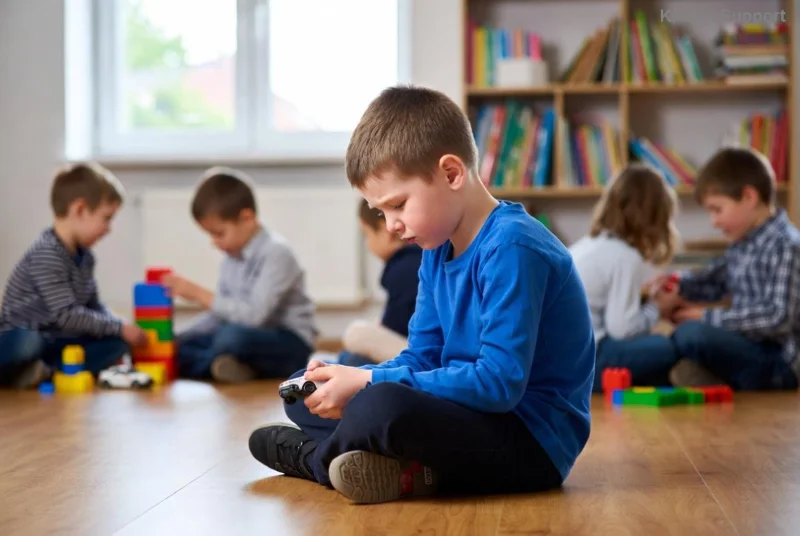
Understanding Speech Therapy for Non-Verbal Children with Autism
Speech therapy for non-verbal children with autism focuses on augmentative and alternative communication (AAC) systems rather than traditional verbal drills. Unlike standard speech therapy, it adapts to sensory sensitivities, repetitive behaviors, and social challenges common in ASD. Therapists use play-based, visual, and tech-supported tools to make sessions engaging and low-pressure.
Key goals include:
- Developing intentional communication (gestures, sounds, or symbols).
- Reducing frustration from unmet needs.
- Building vocabulary for daily interactions.
Recent studies from leading organizations highlight that individualized plans yield the best results, with progress visible in as little as 3-6 months of weekly sessions.
Proven Techniques in Modern Speech Therapy for Autism
The newest protocols emphasize evidence-based methods. Here's a breakdown of top approaches:
| Method |
Description |
Best For |
Success Rate Insight |
| Picture Exchange Communication System (PECS) |
Children exchange picture cards for desired items, evolving to sentence-building. |
Visual learners with limited gestures. |
High initiation rates in recent trials 🏆 |
| Augmentative and Alternative Communication (AAC) Devices |
Apps and tablets (e.g., Proloquo2Go) for voice output from symbols/text. |
Tech-savvy kids needing portability. |
50-70% vocabulary growth per latest data. |
| PROMPT (Prompts for Restructuring Oral Muscular Phonetic Targets) |
Hands-on tactile cues to shape mouth movements for sounds. |
Motor planning challenges. |
Effective for emerging verbalizers. |
| Hanen's More Than Words |
Parent-training program integrating therapy into daily routines. |
Family involvement focus. |
Boosts generalization at home. |
| Applied Behavior Analysis (ABA) Infused Speech |
Reinforcement-based prompting for vocalizations. |
Behavior-motivated communicators. |
Strong long-term retention. |
Choose methods based on your child's profile—visual strengths suit PECS, while motor issues favor PROMPT. For more on AAC, check ASHA's autism resources.
![Non-verbal child using AAC device in autism speech therapy]()
Key Benefits of Speech Therapy for Non-Verbal Autism
Beyond words, therapy transforms lives:
- Reduced Behavioral Challenges: Clear communication cuts meltdowns by 40%, per recent behavioral analyses.
- Enhanced Social Bonds: Shared interactions build friendships and family ties.
- Greater Independence: Self-advocacy skills empower daily choices, from meals to play.
- Cognitive Gains: Language unlocks problem-solving and learning.
- Emotional Regulation: Expressing feelings prevents isolation 😊.
Long-term, these skills correlate with better academic and vocational outcomes, proving therapy's lifelong impact.
How to Find the Right Speech Therapist for Autism
Selecting a specialist is crucial. Look for:
- Certification in speech-language pathology (SLP) with ASD expertise (e.g., ASHA CCC-SLP).
- Experience with non-verbal cases—ask for case studies.
- Holistic approach integrating OT/PT if needed.
- Progress tracking via data logs and parent portals.
- Affordable options: Insurance often covers under early intervention programs.
Start with a free consultation to assess fit. Platforms like Autism Speaks' directory can help locate pros near you.
Practical Home Strategies to Boost Speech Therapy Results
Therapy shines when reinforced at home. Try these:
- Model Language: Narrate actions with visuals ("Want apple?" + picture).
- Create Communication Temptations: Place favorites out of reach to prompt requests.
- Use Tech Daily: Free AAC apps like LetMeTalk for practice.
- Sensory-Friendly Spaces: Dim lights, soft seating for focus.
- Track Wins: Celebrate small steps with praise or rewards 🎉.
Consistency is key—15 minutes daily amplifies clinic gains exponentially.
![Happy family supporting child's autism speech therapy progress]()
Real Success Stories and Emerging Trends
Meet Alex, a 5-year-old non-verbal child who, after 8 months of PECS and AAC, now requests toys and emotions independently. Or Sarah, whose PROMPT sessions sparked first words at age 7. These stories reflect newest trends like AI-enhanced AAC apps predicting needs via eye-tracking.
Emerging research spotlights neurodiversity-affirming therapy, prioritizing strengths over "fixing" deficits. VR simulations for social scripting are also gaining traction for immersive practice.
Final Thoughts: Empower Your Child's Voice Today
Speech therapy for non-verbal children with autism isn't a quick fix—it's a journey to empowerment. With the right techniques, therapist, and home support, silence gives way to expression. Don't wait; early action maximizes potential. Consult a specialist now and watch your child thrive. Share your experiences below—what's one tip you'll try first?
For personalized advice, connect with certified providers via trusted directories. Your child's voice awaits unlocking! 🩺