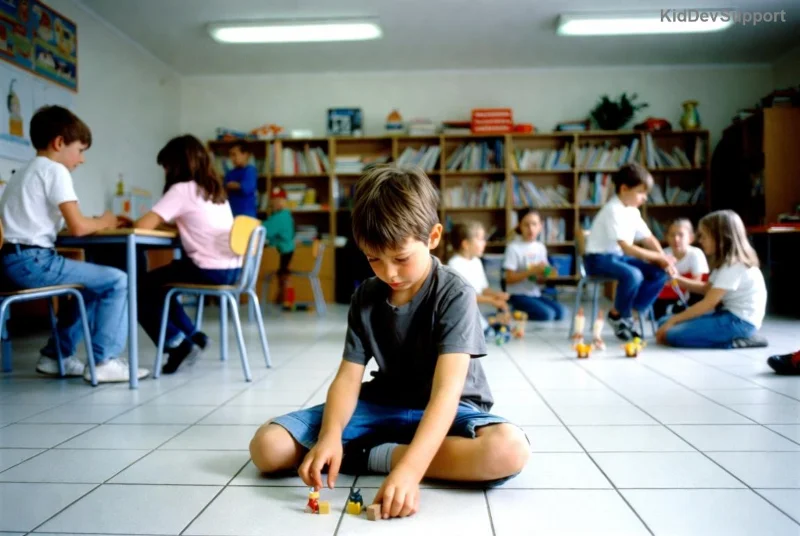
Imagine a world where conversations flow effortlessly, friendships form naturally, and social cues are second nature. For individuals with high-functioning autism (HFA), also known as level 1 autism spectrum disorder (ASD), this can feel out of reach. Yet, speech therapy is changing that reality by precisely targeting social communication deficits. If you're a parent, educator, or someone navigating HFA, this guide reveals how speech therapy builds bridges in social interactions. Ready to explore the transformative power? Let's dive in.
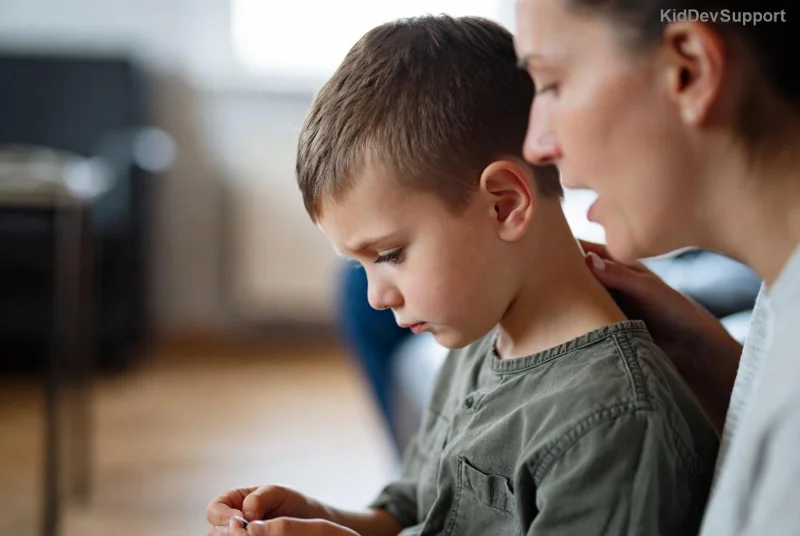
Understanding High-Functioning Autism and Its Social Communication Challenges
High-functioning autism involves average or above-average intelligence with core difficulties in social interaction, communication, and repetitive behaviors. Unlike more severe forms of ASD, individuals with HFA often speak fluently but struggle with the nuances of social communication—the ability to exchange thoughts, feelings, and intentions effectively in social contexts.
Key challenges include:
- Difficulty interpreting nonverbal cues like facial expressions, tone of voice, and body language.
- Trouble initiating or maintaining conversations, leading to one-sided interactions.
- Challenges with turn-taking, topic maintenance, and understanding sarcasm or idioms.
- Literal interpretation of language, missing implied meanings.
These hurdles can lead to isolation, anxiety, and missed opportunities. But here's the good news: targeted speech therapy addresses these precisely, fostering genuine connections.
The Role of Speech Therapy in High-Functioning Autism
Speech-language pathologists (SLPs) specialize in social communication for HFA. Unlike traditional speech therapy focused on articulation, this approach emphasizes pragmatic language—the social use of language. Therapy goals align with real-world needs, helping individuals navigate school, work, and relationships.
Latest research from leading organizations like the American Speech-Language-Hearing Association (ASHA) highlights speech therapy's efficacy. Studies show improvements in social skills after consistent sessions, with gains in empathy recognition and conversational fluency.
Key Techniques: How Speech Therapy Targets Social Communication
Speech therapists use evidence-based, individualized strategies. Here's a breakdown:
| Technique |
How It Targets Social Communication |
Benefits for HFA |
| Social Stories 🧒 |
Custom narratives describing social scenarios and appropriate responses. |
Teaches expected behaviors, reducing anxiety in unfamiliar situations. |
| Video Modeling |
Watching videos of peers demonstrating skills like greeting or sharing. |
Visual learners in HFA mimic actions, improving imitation and generalization. |
| Role-Playing 🎭 |
Practicing dialogues in simulated real-life settings. |
Builds confidence in handling conflicts or small talk. |
| PRAGMATIC Language Training |
Explicit lessons on idioms, sarcasm, and conversational repairs. |
Enhances inference skills for nuanced understanding. |
These methods are adapted for HFA's strengths, like logical thinking, making therapy engaging and effective. Sessions often last 30-60 minutes weekly, with homework for reinforcement.
![Speech therapist working with teen on social skills]()
Evidence from the Latest Research on Speech Therapy Outcomes
Recent meta-analyses confirm speech therapy's impact. For instance, structured programs improve social communication scores by up to 40% in HFA adolescents. Long-term follow-ups show sustained gains in peer relationships and employment success.
One standout approach is the Social Communication Intervention Project (SCIP), which integrates cognitive behavioral techniques. Participants report higher friendship quality and reduced social anxiety. For deeper insights, check ASHA's resources: ASHA Autism Practice Portal.
Integrating Speech Therapy with Other Supports
Speech therapy shines brightest in multidisciplinary teams. Combine it with:
- Occupational therapy for sensory integration.
- Cognitive behavioral therapy (CBT) for anxiety management.
- Parent training to reinforce skills at home.
School-based IEPs often include speech therapy, ensuring seamless support. Technology aids too—apps like Model Me Going Places extend therapy beyond sessions.
Real-Life Success Stories and Practical Tips
Consider Alex, a 14-year-old with HFA. Pre-therapy, playground interactions were awkward. After six months of role-playing and video modeling, he initiated playdates independently. His mother shares: "It's like unlocking a social superpower." 🌟
To start:
- Seek a certified SLP experienced in ASD via ASHA's directory.
- Request a comprehensive social communication assessment.
- Set measurable goals, like "greet three peers daily."
- Track progress with journals or apps.
Early intervention yields the best results, but adults benefit too—workplace programs boost career advancement.
Overcoming Common Barriers to Speech Therapy
Motivation can be tricky in HFA due to rigid routines. Therapists counter this with interest-based activities, like using video games for conversation practice. Cost concerns? Many insurances cover it; teletherapy expands access.
Curious about tailoring therapy at home? Preview techniques with free resources from Autism Speaks.
Your Next Steps: Empower Social Communication Today
Speech therapy isn't just treatment—it's a gateway to fulfilling relationships for those with high-functioning autism. By targeting social communication head-on, it equips individuals to thrive. If this resonates, consult an SLP now. Share your experiences in the comments—what social communication challenges have you faced? Your journey to stronger connections starts here.
Word of encouragement: Progress is possible, one conversation at a time. 💪