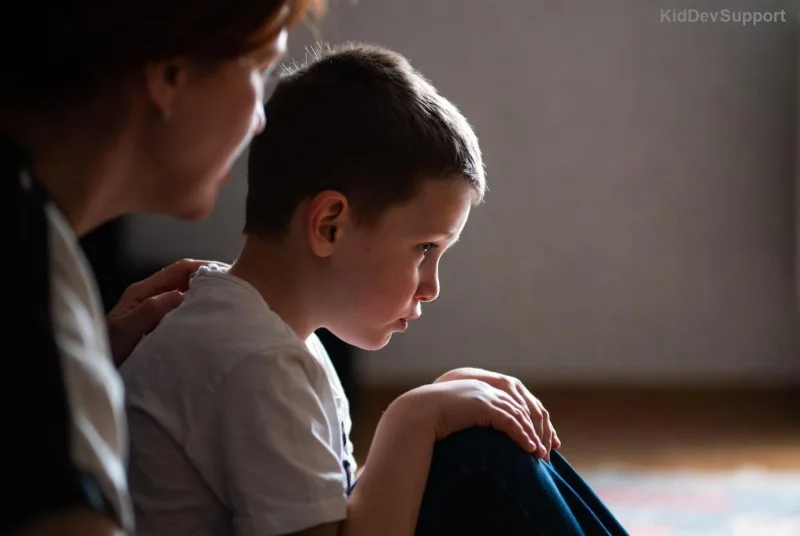
Have you ever felt like you don't quite fit in, despite trying your hardest? Many adults discover autism symptoms in adults later in life, often after years of masking their true selves. Late diagnosis is increasingly common as awareness grows, helping individuals understand lifelong challenges. This guide breaks down the key signs, why they often fly under the radar, and practical steps to recognize autism late in life. Let's dive in to empower you with knowledge.

What is Autism Spectrum Disorder (ASD)?
Autism Spectrum Disorder (ASD) is a neurodevelopmental condition affecting how people communicate, interact, and process the world. In adults, it manifests differently than in children, often subtly. The spectrum nature means symptoms vary widely—from mild to profound. Recent insights highlight that autism in adults includes strengths like intense focus and pattern recognition, alongside challenges.
Unlike stereotypes of childhood autism, adult presentations are nuanced. Many high-functioning individuals excel professionally but struggle personally, leading to burnout.
Why Autism Symptoms in Adults Often Go Unnoticed
Diagnosis in childhood has surged, but adults—especially women and high-achievers—frequently mask traits. Factors include:
- Societal expectations: "Tough it out" culture dismisses quirks as personality.
- Masking behaviors: Learned coping hides signs, exhausting the person.
- Late awareness: Evolving diagnostic criteria now capture subtler cases.
Studies show up to 1 in 45 adults may be on the spectrum, many undiagnosed. Recognizing this late can bring relief and tailored support.
Core Autism Symptoms in Adults: Social Communication Challenges
Social interactions feel like decoding a foreign language for many with adult autism signs. Key indicators include:
- Difficulty reading nonverbal cues like facial expressions or tone.
- Struggles maintaining eye contact, feeling invasive or overwhelming.
- Challenges in small talk; preferring deep, topic-specific conversations.
- Sense of being an outsider in groups, even with "friends."
Adults might rehearse interactions or avoid social events, leading to isolation. If you've ever scripted responses for parties, this could resonate.
Repetitive Behaviors and Restricted Interests
Recognize autism late in life by noting intense, focused interests. Symptoms:
- Deep dives into niche topics (e.g., trains, history), dominating conversations.
- Rigid routines; changes cause distress.
- Repetitive actions like hand-flapping (privately) or fidgeting.
- Need for sameness in environments or schedules.
These provide comfort but clash with life's unpredictability.
![Visual representation of sensory overload in adults with autism]()
Sensory Processing Differences
A hallmark of autism symptoms in adults is sensory sensitivity. Common signs:
- Overwhelmed by lights, sounds, textures, or smells (e.g., fluorescent bulbs, crowds).
- Seeking sensory input like rocking or deep pressure.
- Food aversions due to texture over taste.
- Meltdowns or shutdowns from overload.
Many self-medicate with noise-cancelling headphones or weighted blankets—practical tools for daily life.
Emotional Regulation and Executive Functioning
Internal experiences reveal more adult autism signs:
- Intense emotions, alexithymia (trouble identifying feelings).
- Executive dysfunction: Procrastination, poor time management despite intelligence.
- Meltdowns from frustration, not anger.
- High anxiety or depression rates, often co-occurring.
These fuel imposter syndrome in careers, masking as "just stressed."
Symptom Checklist: Autism Symptoms in Adults vs. Typical Traits
| Symptom Category |
Autism Signs |
Typical Experiences |
| Social |
Literal interpretations, misses sarcasm |
Navigates nuances effortlessly |
| Sensory |
Over/undersensitive to stimuli |
Balanced processing |
| Routines |
Distress from change |
Adapts flexibly |
| Interests |
Intense, narrow focus |
Broad, casual hobbies |
| Emotions |
Delayed processing |
Quick intuition |
The Role of Masking in Late Diagnosed Autism
Masking—imitating neurotypical behaviors—is exhausting. Women excel at this, mimicking peers from media. Signs of burnout include:
![Depiction of autism masking and exhaustion in adulthood]()
- Sudden social withdrawal after "success."
- Autistic burnout: Physical/mental collapse.
- Identity crises in midlife.
Online communities share stories, validating experiences.
How to Recognize the Signs Late in Life: Self-Assessment Tips
Start with reflection:
- Track patterns over weeks—social drain? Sensory triggers?
- Take validated quizzes like the AQ (Autism Quotient) from reputable sources.
- Journal "differentness" moments.
- Discuss with trusted friends for external views.
Remember, self-diagnosis is a start; professional evaluation confirms.
When to Seek Help: Next Steps
If multiple signs align, consult a specialist. Options:
- Psychologists: Specializing in adult ASD assessments.
- Neurodiversity-affirming therapists: Avoid pathologizing strengths.
- Resources: Check CDC Autism Page or Autism Speaks for directories.
Diagnosis unlocks accommodations, therapy like CBT adapted for autism, and communities for belonging. 🏆 Many thrive post-diagnosis.
Final Thoughts: Embrace Your Neurodiversity
Spotting autism symptoms in adults late in life isn't a setback—it's liberation. You've navigated challenges with resilience; now, understanding amplifies your strengths. Share your story below or take that first step toward assessment. You're not alone—what sign surprised you most?