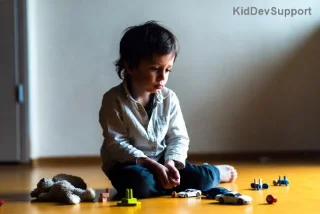
Autism spectrum disorder (ASD) presents differently in girls, often flying under the radar until later in life. While boys are diagnosed at higher rates, recent insights reveal that signs of autism in girls are subtler, leading to widespread misdiagnosis or delayed identification. This article dives into these hidden indicators, explains why it’s often misdiagnosed, and offers practical guidance for parents, educators, and caregivers. Stick around to uncover how early recognition can transform lives. 🩺
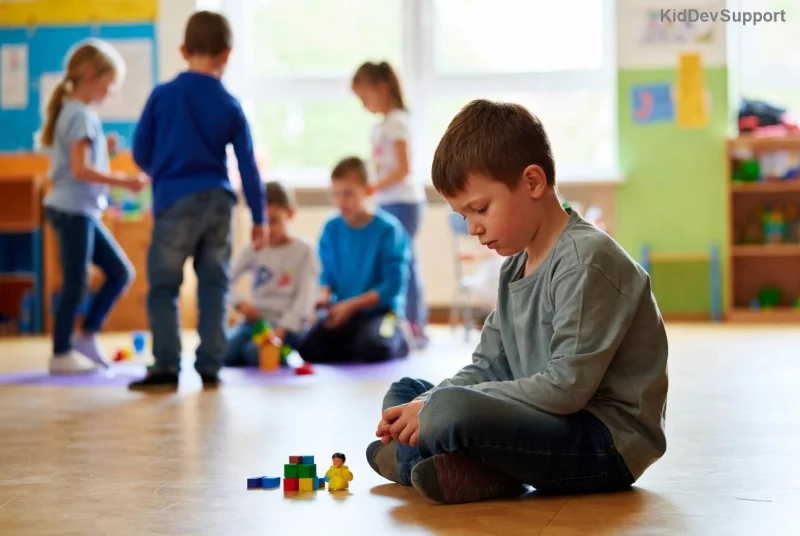
Understanding Signs of Autism in Girls
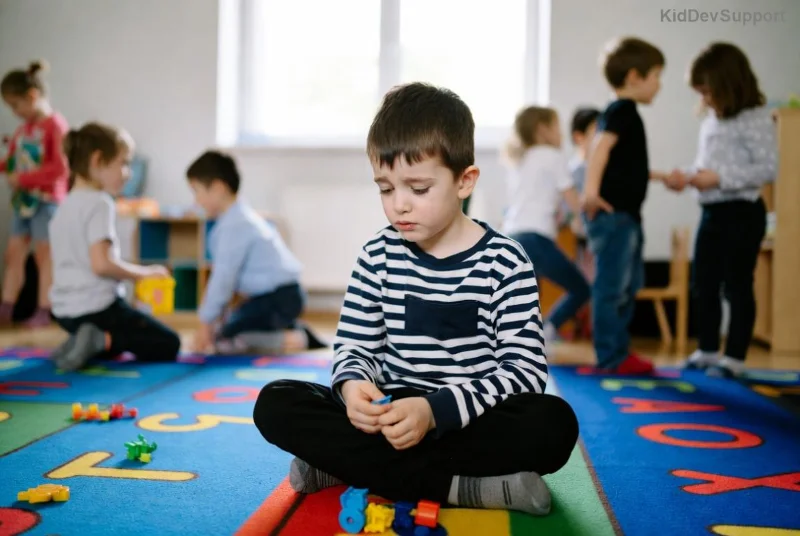
Girls with autism often excel at "masking" their traits to blend in, making symptoms less obvious than in boys. Here's a focused look at the most common signs of autism in girls:
Social and Emotional Camouflage
- Intense friendships: Girls may fixate on one friend, struggling with group dynamics but appearing socially adept one-on-one.
- People-pleasing: They often mimic peers to fit in, leading to exhaustion from constant imitation.
- Sensory overload in social settings: Overwhelmed by noise or crowds, yet they hide meltdowns privately.
Communication Nuances
- Advanced verbal skills: Many girls have strong vocabularies but miss sarcasm, idioms, or nonverbal cues like eye contact.
- Monologuing on interests: Deep dives into topics like animals or books, which may seem like enthusiasm rather than a core trait.
- Literal interpretations: Difficulty with jokes or figures of speech, often compensated by rote learning.
Behavioral and Sensory Indicators
- Restricted interests: Obsessions with fashion, celebrities, or fantasy worlds, dismissed as typical "girly" hobbies.
- Rigid routines: Upset by changes in daily schedules, but more flexible outwardly than boys.
- Sensory sensitivities: Aversion to textures, lights, or sounds, managed through fidgeting or avoidance that's overlooked.
These female autism symptoms blend into neurotypical behaviors, especially during school years when social pressures peak.
Why Autism in Girls is Misdiagnosed: Key Reasons
The diagnostic gap stems from outdated criteria and gender biases. Recent studies highlight how autism in girls misdiagnosed occurs due to:
1. Masking and Camouflaging
Girls learn to suppress traits early, copying social scripts from observation. This "social camouflaging" hides signs of autism in girls, leading to internal anxiety, depression, or eating disorders misattributed elsewhere.
2. Different Presentation from Boys
Boys show more overt behaviors like hyperactivity, while girls internalize struggles. Diagnostic tools, historically boy-centric, miss these subtleties.
3. Co-Occurring Conditions
Girls are often labeled with anxiety, ADHD, or OCD first, delaying ASD evaluation. Newer research emphasizes screening for autism alongside these.
Comparison: Autism Signs in Boys vs. Girls
| Category |
Boys (Typical Presentation) |
Girls (Often Overlooked) |
| Social Interaction |
Obvious withdrawal or aggression |
Masking, intense one-on-one bonds |
| Interests |
Trains, cars (systemizing) |
Fantasy, animals (socially acceptable) |
| Behaviors |
Repetitive movements, meltdowns |
Internalized anxiety, fidgeting |
| Diagnosis Age |
Earlier (average 4-5 years) |
Later (teens or adulthood) |
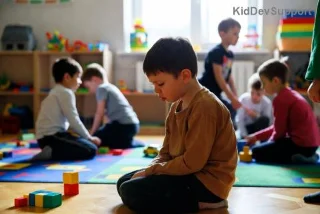
![Girl masking autism symptoms in social setting]()
Latest Insights on Female Autism Symptoms
Recent advancements in research underscore that autism spectrum disorder girls experience higher rates of internalizing issues. For instance, brain imaging shows distinct connectivity patterns in females, supporting tailored diagnostics. Experts now recommend gender-specific screening tools to catch why autism overlooked in girls.
If you're noticing these patterns, observe for clusters rather than isolated traits. A girl excelling academically but crumbling at home may be masking autism.
Steps for Early Detection and Support
- Track patterns: Keep a journal of sensory reactions, social fatigue, and routines.
- Consult professionals: Seek developmental pediatricians or psychologists trained in female ASD. Tools like the ADOS-2 now include girl-specific modules.
- School accommodations: Request quiet spaces or interest-based learning to reduce masking stress.
- Therapy options: Cognitive Behavioral Therapy (CBT) adapted for autism helps unmask without shame.
For validated resources, check Autism Speaks or CDC Autism Page. These sites offer the newest screening guidelines. 🌟
![Supportive environment for girls with autism]()
Empowering Girls with Autism: Moving Forward
Recognizing signs of autism in girls early prevents lifelong misdiagnosis fallout like mental health crises. With awareness, we can shift from oversight to empowerment. Parents report happier, less anxious children post-diagnosis through tailored support.
Have you spotted these signs? Share in the comments or consult a specialist today. Early action unlocks potential—don't wait. Your vigilance could be the key to her thriving. 💪