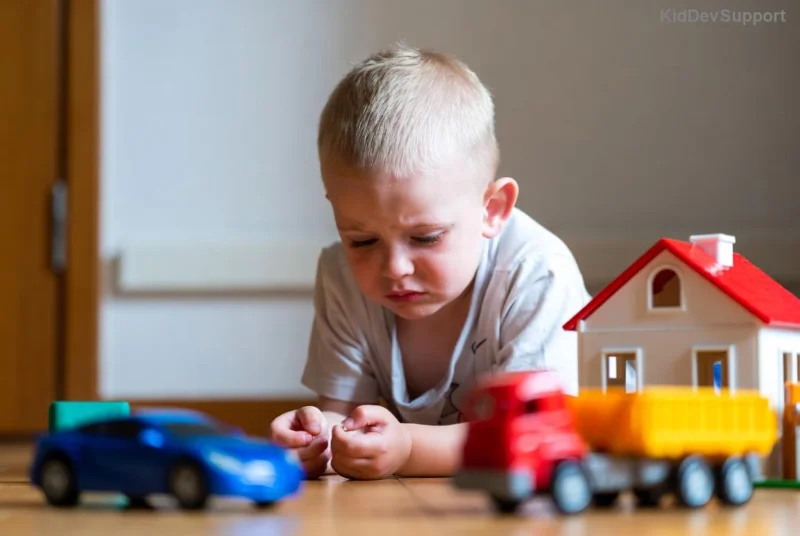
Imagine spending every day pretending to be someone you're not—just to fit in. For many on the autism spectrum, this is the reality of masking. But what happens when the mask cracks? The mental health cost is staggering, leading to exhaustion, anxiety, and deeper struggles. In this guide, we'll uncover what masking in autism really means, spot its signs, and explore ways to lighten the load. Keep reading to empower yourself or a loved one.
What Is Masking in Autism?
Masking—also called camouflaging—is when autistic individuals consciously or unconsciously suppress their natural behaviors to appear "neurotypical." This might mean forcing eye contact, mimicking social scripts, or hiding sensory sensitivities. Recent research highlights how prevalent this is, especially among high-functioning autistic adults and women, who often go undiagnosed because they mask so effectively.
Why does it happen? Society's unwritten rules demand conformity, and autistic people learn early that standing out invites judgment. But this survival tactic comes at a price. Latest studies show masking correlates with higher rates of mental health challenges, making recognition crucial for intervention.

Why Do Autistic People Mask? The Driving Forces
- Social Pressure: To avoid bullying, rejection, or professional setbacks.
- Internalized Shame: Believing autistic traits are "flaws" to fix.
- Survival Instinct: In environments lacking understanding, masking feels essential.
Recent surveys from autistic communities reveal that up to 70% engage in daily masking, with women reporting even higher levels. This isn't choice—it's adaptation under duress.
Key Signs of Masking in Autism
Spotting masking isn't always obvious, but patterns emerge. Here's a breakdown:
| Sign of Masking |
What It Looks Like |
Red Flag for Burnout |
| Forced Socializing |
Smiling through discomfort, scripting conversations |
Exhaustion after short interactions 😩 |
| Sensory Suppression |
Ignoring noise/light overload, no stimming |
Meltdowns at home |
| Perfectionism |
Hyper-focusing on "normal" appearance |
Anxiety spikes |
| Emotional Flatline |
Hiding joy or frustration publicly |
Depression symptoms |
If these resonate, you're not alone. Early recognition prevents escalation.
The Devastating Mental Health Cost of Masking
Masking in autism isn't harmless—it's a mental marathon with no finish line. Latest findings link it to:
- Autistic Burnout: Chronic fatigue from cognitive overload, mimicking depression.
- Anxiety & Depression: Rates double in heavy maskers, per recent meta-analyses.
- Suicidal Ideation: Maskers report 4x higher risk due to identity erosion.
- Physical Toll: Insomnia, immune issues from sustained stress.
One study estimates masking shortens "emotional lifespan," leading to shutdowns where basic functioning halts. The cost? Lost productivity, strained relationships, and a cycle of shame. But there's hope—unmasking saves lives.
![Visual representation of mental exhaustion from autism masking]()
For deeper insights, check this Autism Speaks resource on camouflaging effects.
How to Recognize Masking in Yourself or Loved Ones
Self-reflection is key. Ask:
- Do social events leave you drained for days?
- Do you rehearse interactions mentally?
- Are private meltdowns increasing?
For parents or partners: Watch for "on-off" switches—vibrant alone, subdued in public. Tools like the Camouflaging Autistic Traits Questionnaire (CAT-Q) offer validated scoring. Recent validations confirm its accuracy across ages.
Strategies to Reduce Masking and Safeguard Mental Health
Reducing masking starts small. Here's a practical roadmap:
- Create Safe Spaces: Designate "unmasking zones" at home 🏠.
- Selective Authenticity: Share traits with trusted allies.
- Sensory Supports: Noise-cancelling tools, stim toys.
- Therapy Tailored to Autism: CBT adapted for neurodiversity, or AUTISM-informed counseling.
- Build Neurodiverse Networks: Online communities reduce isolation.
Track progress with a simple journal. Recent trials show 30-50% mental health gains in 3 months for those dialing back masking. Prioritize self-compassion—it's not laziness, it's recovery.
![Empowering image of unmasking and mental health recovery in autism]()
Explore more at the National Institute of Mental Health for evidence-based supports.
Final Thoughts: Embrace Authenticity, Reclaim Your Mental Health
The mental health cost of masking in autism is real, but reversible. By recognizing signs early and adopting unmasking strategies, you can break the cycle. Whether you're autistic, supporting someone who is, or just learning—knowledge is power. Start today: reflect, reach out, recover. Your true self deserves to shine. Share your story below or consult a specialist for personalized guidance. You've got this! 🌟