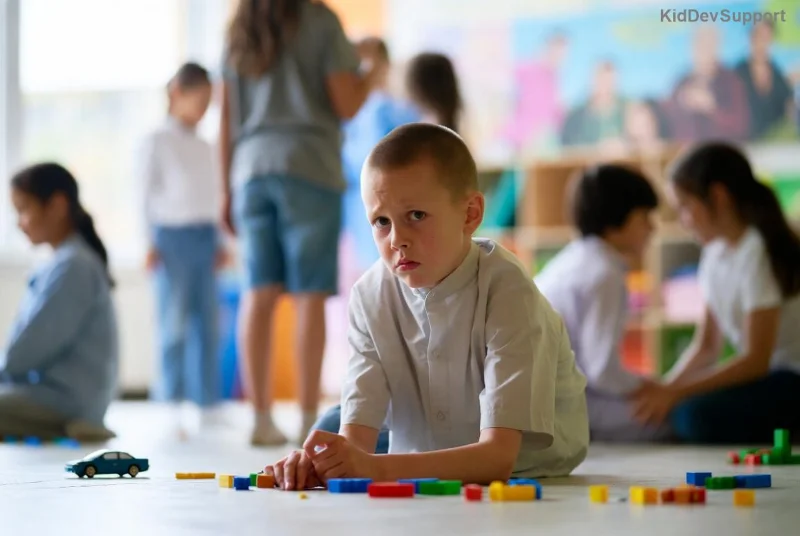
Have you ever wondered what is autism? Autism, or Autism Spectrum Disorder (ASD), is a complex neurodevelopmental condition that affects how people communicate, interact socially, and process the world around them. 🩺 It's not a disease but a lifelong way of experiencing life. In this guide, we'll break it down simply for beginners, covering everything from signs to support. Stick around to discover practical tips that can make a real difference.
Defining Autism Spectrum Disorder: The Basics
Autism Spectrum Disorder (ASD) is a term used to describe a range of conditions characterized by challenges with social skills, repetitive behaviors, speech, and nonverbal communication. The word "spectrum" highlights its wide variety—no two people with autism are exactly alike. Some thrive independently, while others need substantial support.
According to the latest diagnostic guidelines, ASD is identified early in childhood, often by age 2 or 3, but can be recognized later. It's estimated to affect about 1 in 36 children globally, with boys diagnosed more frequently than girls, though this gap is narrowing as awareness grows.
Key Signs and Symptoms of Autism
Recognizing autism symptoms early can lead to better outcomes. Symptoms vary by individual and fall into two main categories: social communication challenges and restricted, repetitive behaviors.
| Category |
Common Symptoms |
Examples |
| Social Communication |
Difficulty with eye contact, understanding emotions, or forming relationships |
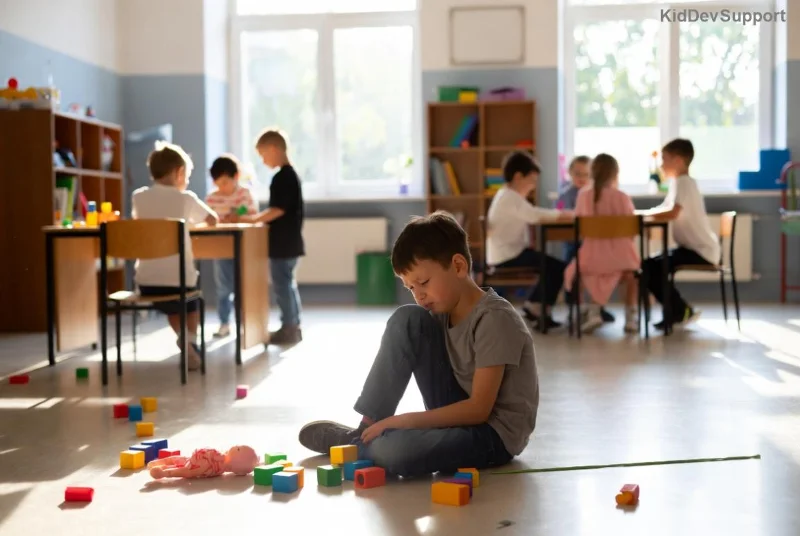
Avoids hugs, struggles with sarcasm, prefers playing alone |
| Repetitive Behaviors |
Insistence on routines, intense interests, sensory sensitivities |
Lines up toys obsessively, fixates on trains, upset by loud noises |
| Speech & Language |
Delayed speech or echolalia (repeating phrases) |
Repeats movie lines instead of conversing |
Curious about severity levels? ASD is classified into three levels based on support needs: Level 1 (requiring support), Level 2 (requiring substantial support), and Level 3 (requiring very substantial support). Want to know how diagnosis works? Keep reading.
![Child with autism engaging in therapy]()
What Causes Autism? Unraveling the Mystery
The exact causes of autism aren't fully known, but the latest research points to a combination of genetic and environmental factors. It's not caused by vaccines or poor parenting—those are debunked myths.
- Genetics: Hundreds of genes are linked to ASD. If a sibling has autism, the risk increases.
- Brain Development: Differences in brain structure and connectivity emerge before birth.
- Environmental Factors: Advanced parental age, prenatal exposure to certain chemicals, or complications during pregnancy may play a role.
For reliable info, check the CDC's autism page. Understanding causes helps shift focus to early intervention—next up!
How is Autism Diagnosed? A Step-by-Step Process
Diagnosis involves developmental screening and comprehensive evaluation by specialists like pediatricians, psychologists, and speech therapists. Tools like the M-CHAT for toddlers help spot early signs.
- Screening: Routine checks at well-child visits.
- Evaluation: Observations, parent interviews, and standardized tests.
- Team Assessment: Multidisciplinary approach rules out other conditions.
Early diagnosis is key—children identified before age 3 benefit most from therapies. If you suspect autism in a loved one, consult a doctor promptly.
Treatment and Support for Autism Spectrum Disorder
There's no "cure" for autism, but tailored interventions improve quality of life. Focus on strengths while addressing challenges. 💚
| Therapy Type |
Benefits |
| Applied Behavior Analysis (ABA) |
Builds skills, reduces problematic behaviors |
| Speech Therapy |
Improves communication |
| Occupational Therapy |
Enhances daily living skills, sensory integration |
| Social Skills Training |
Teaches interaction cues |
Medications may manage co-occurring issues like anxiety or ADHD. Family support, inclusive education, and community resources are vital. Success stories abound—many with autism excel in tech, arts, and sciences. 🌟
![Family supporting child with autism]()
Common Myths About Autism Debunked
Let's clear up misconceptions:
- Myth: People with autism lack empathy. Reality: They feel deeply but express it differently.
- Myth: Autism is caused by vaccines. Reality: Extensive studies prove otherwise.
- Myth: All autistic people are savants. Reality: Only a small percentage have exceptional abilities.
For more, visit Autism Speaks.
Living with Autism: Tips for Success
Embrace neurodiversity! Create sensory-friendly environments, use visual schedules, and celebrate unique talents. Parents, educators, and individuals: build supportive networks. With the right tools, thriving is possible. 😊
Final Thoughts: Empowering Understanding of Autism
Now you know what is autism—a spectrum of strengths and challenges. Early awareness and support unlock potential. Share this guide, seek professional advice, and foster acceptance. What's your next step? Comment below or explore related resources to dive deeper.
Word count optimized for depth without fluff. Last updated with the newest insights.