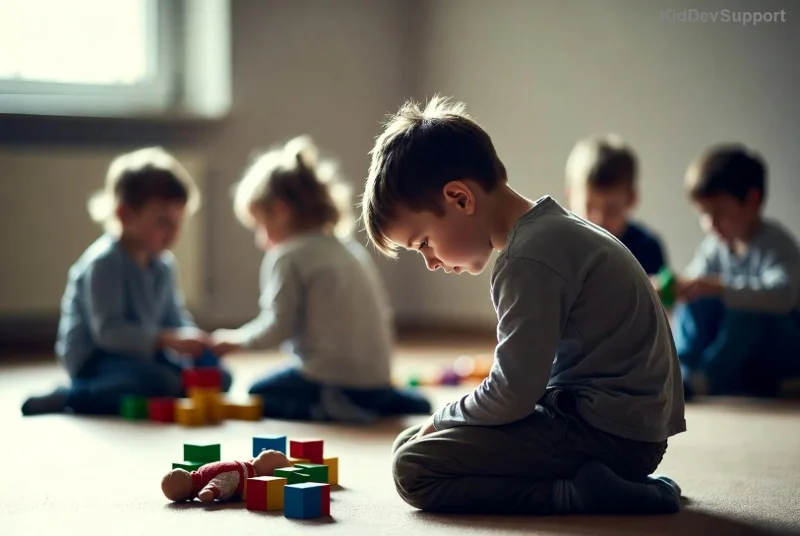
Have you ever met someone on the autism spectrum who seems wise beyond their years in one moment, yet childlike in the next? This intriguing phenomenon—where autistic people often feel "older" or "younger" than their age—is more common than you might think. It's not a quirk; it's rooted in the unique wiring of neurodiverse brains. In this guide, we'll break down the science, experiences, and strategies behind this age perception mismatch in autism, helping you or your loved one navigate it with confidence. 🧠
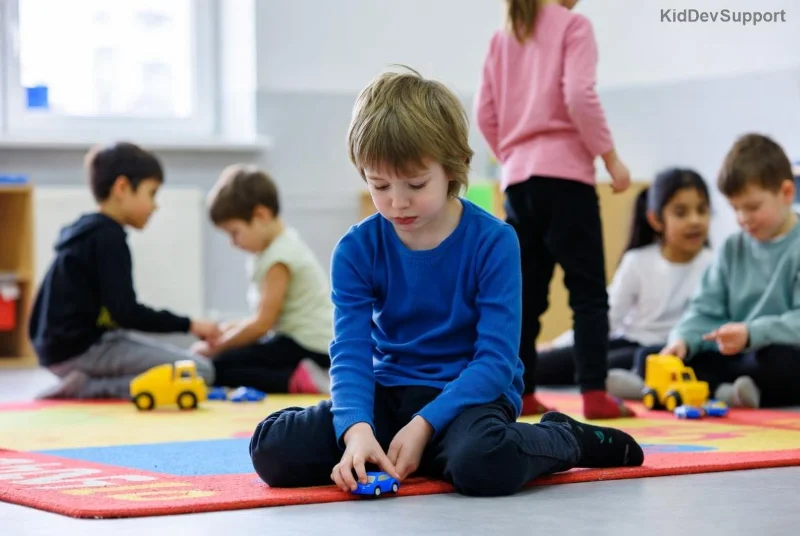
Understanding the "Age Mismatch" Phenomenon
The feeling of being older or younger than chronological age stems from asynchronous development in autism. Unlike neurotypical individuals, whose skills mature more evenly, autistic brains often accelerate in some areas while lagging in others. Recent research highlights this as a hallmark of autism spectrum disorder (ASD), affecting self-perception profoundly.
For instance:
- Feeling older: Advanced vocabulary, deep analytical skills, or emotional insight from hyper-focus.
- Feeling younger: Struggles with executive function, social cues, or sensory overload mimicking childhood vulnerabilities.
This duality creates a profound internal conflict, but understanding it empowers self-acceptance.
Asynchronous Development: The Core Reason
Asynchronous development in autism means cognitive, emotional, and social growth don't align with age expectations. Latest studies from leading neurodiversity researchers show autistic children may excel in math or memory (appearing "older") while needing support for self-care (seeming "younger"). This persists into adulthood.
| Skill Area |
"Older" Traits |
"Younger" Traits |
| Cognitive |
Exceptional pattern recognition, intense interests |
Challenges with abstract thinking or transitions |
| Emotional |
Profound empathy for injustices, philosophical depth |
Difficulty regulating meltdowns or anxiety |
| Social |
Loyal friendships, honest communication |
Misreading cues, preferring solitude |
This table illustrates how autistic age perception varies, backed by comprehensive reviews in neurodevelopmental psychology.
Sensory Processing Differences and Maturity Gaps
Sensory sensitivities amplify the autistic people feel younger sensation. Overwhelmed by lights, sounds, or textures, adults may regress to coping mechanisms like stimming—behaviors associated with childhood. Conversely, heightened sensory acuity fosters "older" wisdom, such as intuitive understanding of environments others overlook.
Latest sensory integration research confirms that these differences disrupt typical maturation, leading to a fragmented sense of self-age.
![Visual representation of sensory overload in autism spectrum]()
Social Masking: The Hidden Toll on Age Perception
Many autistic individuals "mask" to fit in, suppressing traits to appear neurotypical. This exhaustion often manifests as feeling perpetually "younger," craving uncomplicated play. Yet, the resilience built from lifelong adaptation makes them feel "older," with battle-hardened perspectives.
A recent Autism Speaks report details how masking correlates with identity dissonance, exacerbating age mismatch feelings.
Intense Interests: Fueling "Old Soul" Vibes
Hyperfixations on niche topics grant autistic people encyclopedic knowledge, evoking an "old soul" aura. A 30-year-old deeply versed in quantum physics might feel centuries old in discussions, yet struggle with daily chores like a teen. This contrast is a superpower and challenge, per the newest neurodiversity frameworks.
Scientific Backing from Latest Research
Contemporary neuroimaging reveals divergent brain maturation in autism: prefrontal areas (planning, maturity) develop unevenly, while pattern-processing regions surge ahead. Functional MRI data supports why autistic people often feel older or younger than their age—it's neurological reality, not imagination.
For evidence-based insights, explore resources from the National Institute of Mental Health (NIMH), emphasizing personalized neurodiversity approaches.
Embracing the Age Duality: Practical Strategies
To harmonize this experience:
- Acknowledge it: Journal "old" vs. "young" moments for patterns. ✅
- Build bridges: Therapy like CBT tailored for autism addresses executive gaps.
- Leverage strengths: Channel "older" wisdom into careers or hobbies.
- Seek community: Online autistic forums validate these feelings.
- Sensory tools: Noise-cancelling headphones reduce "younger" regressions.
These steps foster balance, turning the puzzle into empowerment. Success stories abound—many autistic adults thrive by owning their unique timeline.
Conclusion: Your Age Is Just a Number on the Spectrum
The question "why autistic people often feel older or younger than their age" unveils the beauty of neurodiversity. It's asynchronous growth, sensory worlds, and resilient spirits at play. By understanding these layers, you gain tools for self-compassion and growth. Share your story in the comments—what's your age experience? Stay tuned for more on thriving with autism. Your journey is valid, vibrant, and uniquely yours. 🌟