Have you ever wondered why autistic people often have special interests that consume their time and energy? These aren't just hobbies—they're deep, all-encompassing passions that can last years or even a lifetime. From trains and dinosaurs to coding or astronomy, special interests in autism light up the world for many on the spectrum. Recent research reveals they're not quirks but essential features of the autistic brain, offering joy, expertise, and purpose.
In this guide, we'll unpack the science behind autistic special interests, their benefits, and how to nurture them. Stick around to discover why embracing these passions can transform lives. 🚀

What Are Special Interests in Autism?
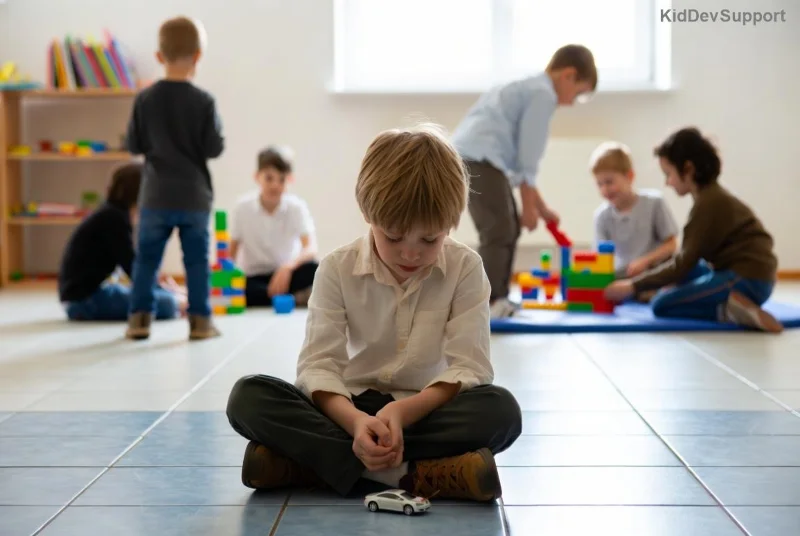
Special interests autism refers to intense, focused fascinations that dominate an autistic person's thoughts and activities. Unlike typical hobbies, these pursuits are pursued with remarkable depth and persistence. A child might memorize every detail about Pokémon, while an adult dives into quantum physics or vintage cars.
Recent studies from neurodiversity experts highlight that up to 75-90% of autistic individuals report having at least one special interest, often starting in childhood. They're a hallmark of autism spectrum disorder (ASD), distinguishing them from neurotypical interests through their intensity and longevity.
Neurological Reasons: How the Autistic Brain Wires for Depth
The core of why autistic people have special interests lies in brain structure. Autistic brains show enhanced connectivity in certain areas, like the prefrontal cortex and basal ganglia, which handle focus and pattern recognition.
Functional MRI scans from the latest neuroimaging research demonstrate "hyper-systemizing"—a tendency to analyze systems deeply. This wiring makes autistic special interests a natural outlet for exceptional detail-oriented thinking. For instance, autistic individuals often excel at spotting patterns others miss, turning interests into profound expertise.
Executive function differences also play a role. While neurotypicals switch tasks easily, autistic people may hyper-focus, blocking out distractions. This "flow state" feels rewarding, explaining the magnetic pull of special interests.
Sensory Processing and the Comfort of Special Interests
Sensory sensitivities affect up to 90% of autistic people, per recent sensory integration studies. The world can feel overwhelming—loud noises, bright lights, or social chaos trigger overload.
Enter special interests: they provide a sensory sanctuary. Engaging in a passion like collecting rocks or playing video games offers predictable, controllable stimulation. This self-regulation reduces anxiety, with latest data showing decreased cortisol levels during these activities.
Imagine a bustling environment fading away as someone immerses in train schedules—it's not escapism; it's recalibration. 😌
The Dopamine Boost: Reward Systems in Action
Dopamine, the "feel-good" neurotransmitter, surges during rewarding activities. In autistic brains, recent neurochemical analyses reveal atypical dopamine pathways that amplify rewards from special interests.
While neurotypicals get dopamine hits from varied social interactions, autistic individuals find deeper fulfillment in solitary, mastery-based pursuits. This creates a positive feedback loop: mastery leads to more dopamine, fueling longer engagement. It's why autism intense interests persist—they're biologically addictive in the best way.
| Aspect | Special Interests (Autism) | Typical Hobbies |
|---|---|---|
| Intensity | All-consuming, daily focus | Occasional enjoyment |
| Duration | Years or lifelong | Months or seasonal |
| Depth of Knowledge | Expert-level mastery ✅ | Surface-level fun |
| Purpose | Emotional regulation & joy | Relaxation |
Social Factors: Filling the Interaction Gap
Social communication challenges in autism make typical friendships tricky. Special interests bridge this gap, becoming conversation starters or online communities. Platforms like Reddit's r/specialinterests buzz with autistic voices sharing knowledge.
Recent surveys show special interests foster belonging, countering isolation. They teach social skills indirectly—through shared passions—without the pressure of small talk.
Benefits: Turning Passions into Superpowers
Autistic special interests aren't limitations; they're assets. They build resilience, with studies linking them to lower depression rates. Career success stories abound: think Temple Grandin in animal science or Satoshi Tajiri, Pokémon's creator, inspired by bug collecting.
- Skill Development: Leads to expertise in fields like tech or art. 💼
- Mental Health: Reduces anxiety, boosts self-esteem.
- Innovation: Drives breakthroughs from hyper-focused minds.
For more on real-world impacts, check Autism Speaks' latest insights.
How to Support and Harness Special Interests
Parents, educators, and partners: nurture, don't suppress. Integrate interests into learning—use dinosaurs for math lessons. Set gentle boundaries to balance life, but celebrate the joy they bring.
Latest therapeutic approaches, like interest-based interventions, show improved outcomes in motivation and academics. Encourage sharing: it builds confidence. 🌟
Conclusion: Embrace the Depth of Autistic Special Interests
Understanding why autistic people often have special interests reveals their profound value. Rooted in neurology, sensory needs, and reward systems, these passions are autistic superpowers. By supporting them, we unlock happiness, talent, and connection.
What's your special interest, or how have you seen one thrive? Share in the comments—let's celebrate neurodiversity! Ready to dive deeper into autism? Explore our guides on sensory strategies next.