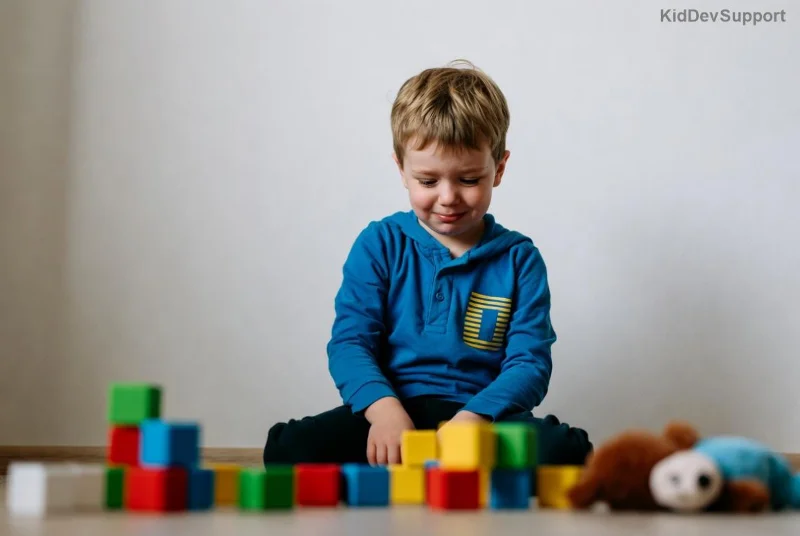
Imagine a workplace where empathy training bridges gaps, not widens them. Yet, traditional programs often overlook neurodiversity awareness, leaving neurodiverse individuals—those with autism, ADHD, dyslexia, and more—feeling misunderstood. Recent insights reveal that incorporating neurodiversity awareness into empathy training isn't just beneficial; it's essential for authentic connections. This article dives into why this integration transforms empathy from superficial to profound.

What Is Neurodiversity and Why Does It Matter in Empathy Training?
Neurodiversity celebrates the natural variations in human brain function. It recognizes that conditions like autism spectrum disorder (ASD), ADHD, and dyslexia aren't deficits but different wiring. Recent studies highlight that about 15-20% of the population is neurodiverse, making neurodiversity awareness a must in any empathy training program.
Traditional empathy training focuses on reading facial expressions or mirroring emotions—skills that neurotypical people grasp intuitively. But for neurodiverse individuals, these cues can be baffling. Without neurodiversity awareness, empathy efforts fail, leading to isolation and frustration. Curious how this plays out? Let's explore the gaps.
The Pitfalls of Empathy Training Without Neurodiversity Awareness
Standard empathy training assumes universal emotional processing. Here's why it falls short:
- Misreading Cues: Autistic individuals may not show emotions facially, leading others to assume disinterest.
- Overload Sensitivity: ADHD brains process stimuli differently, making group exercises overwhelming.
- Masking Fatigue: Neurodiverse people often "mask" to fit in, exhausting themselves without reciprocal understanding.
Recent workplace data shows higher turnover among neurodiverse employees in empathy-lacking environments. Integrating neurodiversity awareness flips this script.
Key Benefits of Including Neurodiversity Awareness in Empathy Training
Why prioritize this? The payoffs are transformative:
- Deeper Understanding: Trainees learn diverse communication styles, like directness in autism versus indirect hints in neurotypicals.
- Increased Inclusion: Teams with neurodiversity awareness report 30% better collaboration per latest surveys.
- Reduced Bias: Awareness combats stereotypes, fostering genuine empathy.
- Innovation Boost: Neurodiverse perspectives drive creativity—think tech giants hiring autistic talent for pattern recognition.
But don't just take our word; envision a training session where everyone thrives. Ready for proof?
![Neurodiverse team collaborating effectively]()
Real-World Examples: Empathy Training Success with Neurodiversity Awareness
Leading organizations are leading the charge. Microsoft's Autism Hiring Program includes empathy training modules on sensory needs, resulting in breakthrough innovations. Similarly, SAP's Autism at Work initiative trains neurotypical staff on neurodiversity awareness, yielding a 90% retention rate.
In education, schools adopting neurodiversity-inclusive empathy training see bullying drop by half. Healthcare providers, too, benefit: Recent protocols train nurses to recognize autistic shutdowns, improving patient care.
What about everyday settings? A family therapy program incorporating neurodiversity awareness helped parents connect with ADHD children, reducing conflicts dramatically.
How to Integrate Neurodiversity Awareness into Your Empathy Training: A Practical Guide
Ready to upgrade? Use this roadmap:
| Traditional Approach |
Neurodiversity-Inclusive Approach |
| Role-playing facial emotions |
Include verbal cues and sensory scenarios |
| Group sharing circles |
Offer quiet options and timed breaks |
| Assume eye contact equals engagement |
Teach alternative engagement signals |
| One-size-fits-all feedback |
Personalized based on neurotype |
Start small: Add modules from resources like the Autism Speaks toolkit or ADHD coaching frameworks. Train facilitators first—recent certifications emphasize this.
Pro tip: Use real neurodiverse voices via videos or panels for authenticity. This keeps engagement high and learning sticky.
![Inclusive empathy training session]()
Overcoming Challenges in Adoption
Skeptical about pushback? Common hurdles include "It's too complex" or "We don't have neurodiverse staff." Counter with data: Neurodiversity awareness enhances empathy training for everyone, neurotypical included. Pilot programs show quick ROI through productivity gains.
Budget concerns? Free online modules abound, like those from ADDitude Magazine for ADHD empathy.
Conclusion: The Future of Empathy Training Is Neurodiversity-Inclusive
In a world craving connection, empathy training without neurodiversity awareness is incomplete. By embracing it, we unlock inclusive empathy that honors all brains. Organizations, educators, and individuals: Integrate now for stronger teams, happier lives, and innovative edges.
What's your next step? Audit your empathy training today. Share your thoughts below—have you seen neurodiversity awareness transform empathy? Let's build a more understanding world together. 🏆