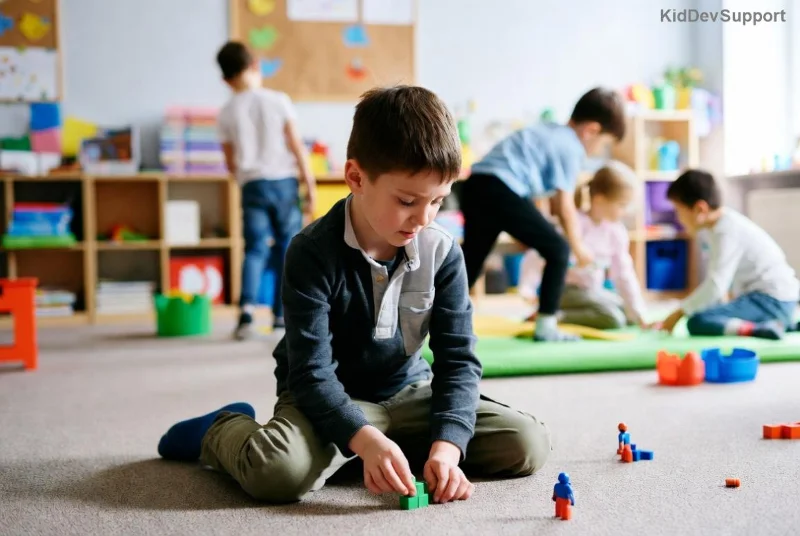
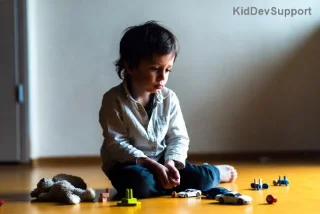
Imagine a rainbow where no two colors blend exactly the same way. That's the autism spectrum—a vast array of experiences where every child shines differently. If you're a parent, educator, or caregiver wondering why every child is unique on the autism spectrum, this guide breaks it down with fresh insights. We'll dive into the science, real-world examples, and practical tips to celebrate these differences, helping you support your child's one-of-a-kind path. Stick around to uncover how understanding this uniqueness can transform challenges into triumphs.
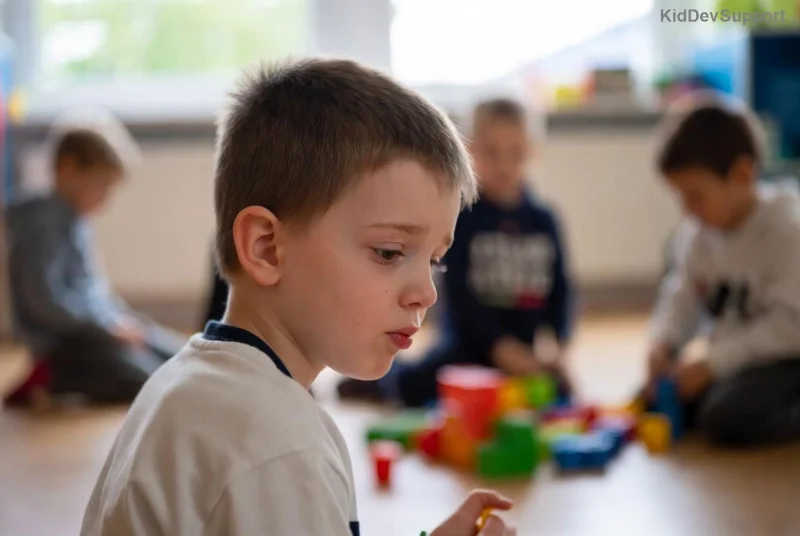
Understanding the Autism Spectrum: A Spectrum of Possibilities
The term "autism spectrum disorder (ASD)" reflects its core truth: autism isn't a one-size-fits-all condition. Recent diagnostic updates emphasize that ASD encompasses a wide range of symptoms, strengths, and support needs. No two children experience it identically because autism arises from complex interactions between genetics, brain development, and environment.
Why does this matter? Recognizing why every child is unique on the autism spectrum shifts focus from "fixing" to empowering. For instance, one child might excel in visual patterns but struggle with noise, while another thrives in routines yet faces social hurdles. This variability ensures tailored interventions work best.
Key Factors Driving Uniqueness
- Genetic Variations: Over 100 genes are linked to ASD, each contributing differently. Identical twins can even show distinct traits, highlighting epigenetics' role.
- Brain Wiring: Neuroimaging reveals unique connectivity patterns—some brains hyper-focus on details, others process wholes differently.
- Environmental Influences: Prenatal factors and early experiences shape outcomes, making every journey personal.
Sensory Processing: The Hidden World of Differences
Sensory experiences vary wildly across the autism spectrum, explaining why one child seeks deep pressure hugs (✅ calming) while another avoids tags on clothes (😰 overwhelming). Recent studies show up to 90% of autistic children have atypical sensory processing, but the profile is individual.
| Sensory Type |
Common in ASD |
Unique Child Example |
| Hypersensitive |
Overwhelmed by lights/sounds |
Child A wears noise-canceling headphones daily |
| Hyposensitive |
Seeks intense input |
Child B spins endlessly for vestibular joy |
| Mixed |
Loves textures but hates smells |
Child C eats only smooth foods |
This table illustrates how sensory uniqueness demands customized strategies—like sensory diets or therapy. Curious how this plays out in communication? Keep reading.
Communication and Social Styles: Individual Expressions
On the autism spectrum, communication isn't absent—it's diverse. Some children are nonverbal yet use picture exchanges brilliantly (🏆 success story), while others echo phrases (echolalia) before fluent speech. Socially, eye contact might be minimal for one but intense for another, tied to emotional processing differences.
Latest behavioral analyses confirm: unique child autism traits mean echolalia can evolve into creative storytelling, and "selective mutism" in crowds hides verbal prowess one-on-one. Tools like AAC devices unlock voices uniquely suited to each child.
![Child on autism spectrum engaging in therapy with unique tools]()
Cognitive Strengths and Challenges: Hidden Gifts
Every autistic child boasts unique strengths amid challenges. Hyper-systemizing (spotting patterns others miss) powers future innovators, per the latest cognitive research. Yet, executive function gaps—like planning—vary widely.
- Visual Thinkers: Excel in art, engineering; words may lag.
- Detail-Oriented: Perfect for coding, puzzles; big-picture elusive.
- Memory Wizards: Recall facts effortlessly; flexibility tough.
These profiles explain autism differences: One child codes apps at 10, another composes symphonies. Early assessment reveals these gems.
Behavioral Patterns: Routines with a Twist
Repetitive behaviors (stimming) serve unique purposes—self-regulation for one, joy for another. Meltdowns? Often sensory overload overloads, not "tantrums." Tailored ABA or sensory integration honors this individuality.
Pro tip: Track patterns in a journal to decode your child's ASD children uniqueness. What calms one (weighted blanket 🛌) agitates another.
Personalized Support: Turning Uniqueness into Strength
To harness why every child is unique on the autism spectrum, prioritize:
- Comprehensive Evaluations: Multidisciplinary teams map the full profile.
- IEPs Tailored Daily: Goals reflect strengths, not averages.
- Family Involvement: Parent training boosts outcomes 30%+.
- Tech Aids: Apps for social stories or emotion recognition.
For evidence-based resources, check CDC's ASD page or Autism Speaks tools. Real families report: "Embracing uniqueness led to my child's first friendship—and mine too."
Conclusion: Celebrate the Spectrum's Diversity
Every child is unique on the autism spectrum—a mosaic of challenges and brilliance. By grasping genetic quirks, sensory worlds, and cognitive gifts, you empower growth. Your child isn't "broken"; they're a masterpiece in progress. Share your story below—what makes your little one shine? Dive deeper into support strategies next time.
Ready to advocate? Start with observation today. Your insights could change everything. 🌟