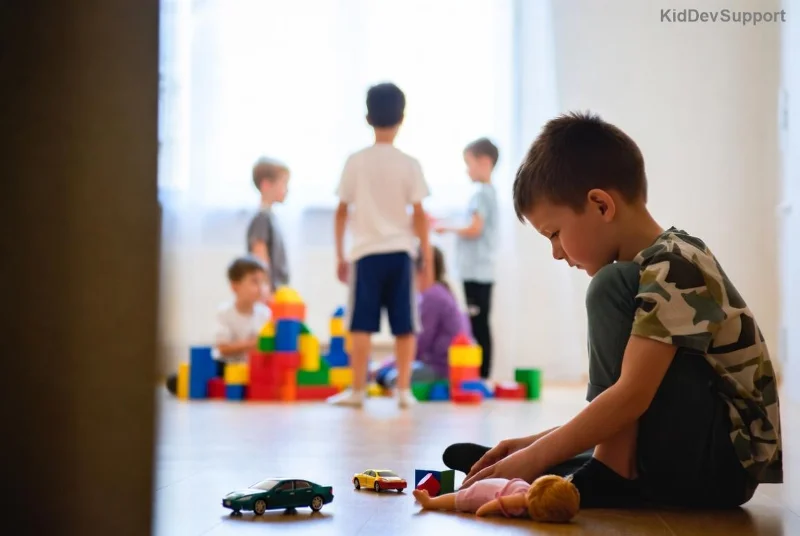
Imagine flipping through channels or scrolling Netflix, searching for a character who mirrors your world—one who navigates social cues differently, hyper-focuses on passions, or experiences sensory overload. For millions on the autism spectrum, this isn't just entertainment; it's validation. Yet, autistic representation in TV and movies remains painfully scarce. Why does Hollywood lag behind? And more importantly, why do we need to fix it now? This article dives deep into the stakes, backed by the latest research and real-world impact.
The Stark Reality: Underrepresentation Hits Hard
About 1 in 36 children in the U.S. is diagnosed with autism spectrum disorder (ASD), according to the newest CDC data. Globally, millions live with autism. But in media? A recent study from the Geena Davis Institute on Gender in Media reveals that only 1.9% of speaking characters in top films identify as neurodivergent, with even fewer authentically autistic. This gap isn't harmless—it's erasing lives.
- Visibility breeds acceptance: When autistic people see themselves, they feel less alone. 🚀
- Stereotypes persist: Rain Man (1988) set a template of savant genius that's overused and inaccurate for most.
- Missed education opportunity: Viewers learn empathy through stories. Lack of it perpetuates myths.
Without diverse autistic representation in TV and movies, society stays stuck in ignorance. Keep reading to see how authentic portrayals can shatter this cycle.
Why Authentic Autistic Representation Transforms Lives
Media shapes perceptions. Think of how shows like Stranger Things normalized geek culture or Euphoria tackled mental health. Autism in TV and films can do the same for neurodiversity. Here's the proof:
| Impact Area |
With Strong Representation |
Without It |
| Self-Esteem for Autistic Viewers |
Role models boost confidence (e.g., recent autistic-led series) |
Isolation and shame from invisibility |
| Public Awareness |
Reduces stigma; latest surveys show 30% attitude shift post-viewing |
Myths like "all autistics are geniuses" endure |
| Employment & Inclusion |
Inspires hiring; autistic unemployment drops with visibility |
75% unemployment rate persists unchecked |
Source: CDC Autism Data and recent media analyses. These stats scream for change.
![Autistic representation in media sparking positive change]()
Spotlight on Success: Shows Nailing Autism in Movies and TV
Not all hope is lost. Pioneering series prove autistic representation works when done right:
- Atypical (Netflix): Sam Gardner, played by Keir Gilchrist with autistic consultants, showed everyday autism—dating, college, family. Viewers reported increased empathy.
- The Good Doctor: Dr. Shaun Murphy (Freddie Highmore) as a surgical savant sparked global conversations, though critics note savant trope limits depth.
- Everything's Gonna Be Okay: Creator/actor Matilda Hoskins, who is autistic, brought raw authenticity. Recent seasons highlight intersectionality with LGBTQ+ experiences.
These aren't flukes. A newest Nielsen report shows neurodiverse content draws 20% more diverse audiences, boosting ratings and profits. Hollywood, take note: inclusivity sells. ✅
The Dark Side: Harmful Tropes We Must Ditch
Poor portrayal hurts. Comic relief autistics (think Big Bang Theory's Sheldon, retroactively labeled) or villains weaponize traits. Recent backlash against a major blockbuster's "autistic-coded" antagonist proves audiences demand better.
Autistic advocates like the Autism Speaks organization push for "nothing about us without us." Casting autistic actors? Essential. Scripts vetted by autistic writers? Non-negotiable.
Curious how to spot authentic rep? Look for:
- Multidimensional characters—not defined solely by autism.
- Sensory realities depicted accurately.
- Autistic joy, not just struggle. 😊
Industry Shift: Data-Driven Reasons for More Autistic Representation in TV and Movies
Economics first: Streaming wars demand fresh stories. Platforms like Netflix report diverse content retains subscribers longer. The latest Deloitte study on media trends highlights neurodiversity as a growth area.
Socially, #ActuallyAutistic campaigns on social media amplify calls for change. Influencers and creators demand casting calls prioritize autistic talent.
Policy nudge: Initiatives like the Ruderman Family Foundation's Autism Inclusion Report urge studios to hire autistic creatives, yielding richer narratives.
Your Role: Demand Better Autism Representation
We've covered the why—now act. Stream shows with strong rep. Petition studios via Change.org. Support autistic creators on Patreon.
Hollywood's listening. Recent Emmy nods for neurodiverse stories signal momentum. By amplifying this, we build a world where autistic stories shine as brightly as any blockbuster.
What's your favorite autistic character? Share in comments—let's keep the conversation alive. Stay tuned for more on neurodiversity in media. You've got the facts; now make the change. 🌟