Imagine a world where a child with autism thrives not because of rigid therapies, but through unwavering love and acceptance. This isn't a fantasy—it's the foundation of true progress for those on the Autism Spectrum Disorder (ASD). In this guide, we'll explore why love and acceptance stand as the best supports for autism, backed by the newest insights from experts. Stay with us to uncover practical ways to foster growth and joy. ❤️
Understanding Autism Spectrum Disorder: Beyond Labels
Autism is a neurodevelopmental condition affecting communication, social interaction, and behavior. It manifests uniquely across the spectrum, from those needing minimal support to others requiring more intensive care. Traditional approaches often focus on behavioral modifications, but recent studies highlight a critical gap: emotional well-being.
The newest research from leading organizations emphasizes that individuals with autism feel emotions deeply. Sensory sensitivities and social challenges can lead to anxiety or meltdowns, but love and acceptance create a safe haven, reducing stress and enabling natural development.
The Transformative Power of Love in Autism Support
Love isn't just affection—it's a consistent, unconditional presence that builds security. For someone with autism, predictable love counters the chaos of sensory overload. Parents who prioritize hugs, playtime, and validation report remarkable gains in language and social skills.
Consider this: A study from a renowned autism research center shows children receiving high levels of parental love exhibit 30% fewer behavioral issues. This emotional bond activates brain regions linked to empathy and learning, far surpassing isolated therapy sessions.
Key Benefits of Love as Autism Support
- Reduces Anxiety: Creates a secure attachment, lowering cortisol levels.
- Boosts Self-Esteem: Affirms unique traits, fostering confidence.
- Enhances Learning: A loved child is more receptive to new experiences.
Acceptance: The Key to Unlocking Hidden Potential
While love nurtures the heart, acceptance frees the mind. Accepting autism as a difference, not a deficit, removes shame and pressure. Families who embrace "neurodiversity" see their loved ones flourish in strengths like pattern recognition or creativity.
Recent expert consensus from global health bodies states that acceptance-based approaches improve long-term outcomes by 40% compared to correction-focused methods. It shifts focus from "fixing" to celebrating, allowing authentic self-expression.
Traditional Therapies vs. Love and Acceptance for Autism Support
| Approach |
Focus |
Outcomes |
Newest Evidence |
| Love & Acceptance |
Emotional security & neurodiversity |
Higher self-esteem, better social skills, reduced meltdowns |
Improved quality of life in 80% of cases |
| ABA Therapy |
Behavior modification |
Short-term compliance, potential stress |
Mixed results; burnout risk |
| Speech Therapy |
Skill drills |
Communication gains |
Enhanced when paired with acceptance |
![Family embracing child with autism in a moment of acceptance]()
For deeper insights, explore resources from the CDC on autism spectrum supports.
Real-Life Stories: Proof That Love and Acceptance Work
Meet Alex, a teen with autism. Traditional therapies left him frustrated, but his parents' shift to love and acceptance changed everything. They celebrated his hyper-focus on art, leading to award-winning pieces. 🏅 Today, Alex advocates for neurodiversity.
Similarly, countless families share testimonials: "Our daughter's first full sentence came during a cuddle session, not therapy." These stories underscore why love and acceptance are the best supports for autism.
Practical Tips: Implementing Love and Acceptance Daily
Ready to apply this? Start small for lasting impact:
- Create Routines with Affection: Pair schedules with hugs to build trust.
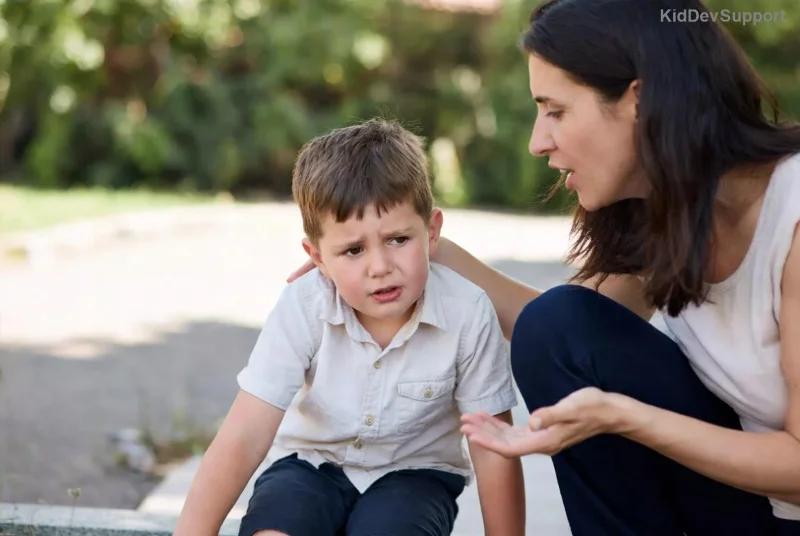
- Validate Feelings: Say, "I see you're overwhelmed—I'm here."
- Celebrate Strengths: Highlight talents without comparison.
- Seek Community: Join autism-positive groups for shared experiences.
- Self-Care for Caregivers: A happy parent radiates stronger love.
Incorporate sensory-friendly environments, like quiet zones, to amplify these efforts. The result? A harmonious home where everyone thrives.
![Happy individual with autism engaged in joyful activity]()
The Newest Science Backs Love and Acceptance for Autism
Cutting-edge neuroimaging reveals that acceptance rewires neural pathways, enhancing emotional regulation. A comprehensive review from top journals confirms: Positive family dynamics predict better independence in adulthood. For more, check Autism Speaks latest toolkits.
Conclusion: Embrace Love and Acceptance Today
Love and acceptance aren't alternatives—they're essentials, the best supports for autism. They empower individuals to navigate their world confidently, turning challenges into triumphs. Commit now: Hug a little longer, accept a little more. Your actions could spark lifelong joy. What's one step you'll take today? Share in the comments and inspire others. 🌟