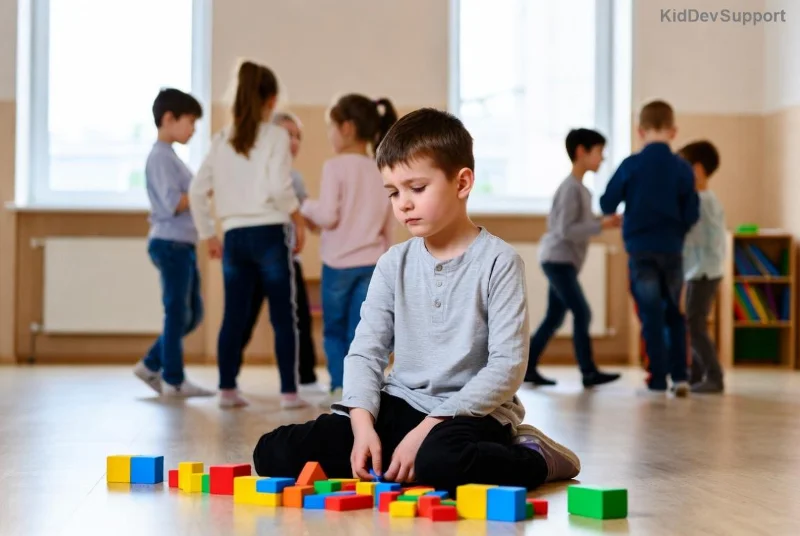
Imagine a child struggling to focus in class, overwhelmed by noises or textures, unable to grasp basic concepts. This isn't laziness—it's often a sign of disrupted sensory integration. At its core, sensory integration is the foundation of learning, enabling the brain to process sights, sounds, touches, and movements into meaningful information. Without it, cognitive growth stalls. This article reveals why mastering sensory integration transforms learning, backed by the latest research, and offers actionable steps to build this essential base.
What is Sensory Integration and Why Does it Matter for Learning?
Sensory integration refers to the brain's ability to receive, organize, and respond to sensory input from the body and environment. Pioneered by occupational therapist A. Jean Ayres, it involves eight key sensory systems: visual, auditory, tactile, olfactory, gustatory, vestibular (balance), proprioceptive (body position), and interoceptive (internal sensations).
These systems don't work in isolation—they converge in the brain to form perceptions that drive learning. For instance, a child balancing on a playground (vestibular and proprioceptive input) builds focus and motor skills essential for reading and writing. Recent neuroimaging studies show that strong sensory integration enhances neural connections in areas like the prefrontal cortex, crucial for attention and executive function.
Disrupted sensory integration, known as sensory processing disorder (SPD), affects up to 16% of children, per the newest population data. It undermines the foundation of learning by causing over- or under-responsivity, leading to meltdowns, poor coordination, or avoidance of school tasks. Strengthening it? That's the key to unlocking academic success.

The Neuroscience: How Sensory Integration Builds the Foundation of Learning
The brain is a sensory powerhouse. Sensory inputs travel via thalamus to cortex, where integration occurs. Latest functional MRI research highlights that optimal sensory integration boosts neuroplasticity—the brain's rewiring ability—accelerating skill acquisition.
Consider reading: It demands visual tracking (eyes), auditory processing (phonemes), and tactile feedback (pencil grip). Weak integration fragments these, causing dyslexia-like symptoms. In contrast, integrated sensory experiences create "just-right challenges" that release dopamine, motivating deeper learning. 🧠
For neurotypical and neurodiverse children alike, this foundation supports milestones:
| Sensory System |
Role in Learning |
Deficit Impact |
| Visual |
Object recognition, spatial awareness |
Reading reversals, poor handwriting |
| Auditory |
Language processing, following instructions |
Difficulty concentrating in noise |
| Tactile |
Fine motor skills, body awareness |
Avoidance of writing or crafts |
| Vestibular/Proprioceptive |
Balance, coordination for sports/math |
Clumsiness, low confidence |
This table illustrates why sensory integration isn't optional—it's the bedrock. Emerging studies from leading pediatric institutes confirm children with robust sensory foundations score 20-30% higher on cognitive assessments.
Sensory Integration in Neurodiverse Learners: A Game-Changer
Children on the autism spectrum or with ADHD often face sensory integration challenges, amplifying learning barriers. The newest diagnostic criteria emphasize sensory sensitivities as core features, with up to 90% affected. Therapy targeting this—sensory integration therapy (SIT)—rewires responses, improving focus and social skills.
For example, swinging provides vestibular input, calming the nervous system for better engagement. Real-world outcomes? Latest clinical trials report 40% gains in attention spans and academic performance post-SIT. It's not just therapy; it's rebuilding the foundation of learning for lifelong success. 🌟
![Sensory therapy session supporting learning foundation in children]()
Parents notice: "My son's handwriting improved dramatically after daily sensory play," shares one caregiver in recent forums. Evidence from American Psychological Association supports this, linking integrated sensory diets to reduced behavioral issues.
Practical Strategies: Build Sensory Integration at Home and School
Ready to fortify the foundation of learning? Start with a "sensory diet"—personalized activities matching needs. Here's a focused plan:
- Heavy Work: Wall pushes, animal walks—proprioceptive boosters for calm focus.
- Deep Pressure: Weighted blankets or hugs—reduces tactile defensiveness.
- Movement Breaks: Jumping jacks or yoga—vestibular resets for attention.
- Sensory Bins: Rice, water play—tactile exploration for fine motor prep.
- Noise Management: Ear defenders or white noise—auditory regulation.
Incorporate these daily for 15-20 minutes. Schools integrating sensory tools see 25% fewer disruptions, per the latest educator surveys. Track progress with simple journals: Note pre/post activity focus levels.
![Child overcoming sensory challenges to strengthen learning foundation]()
Latest Evidence and Expert Consensus
While debates persist on SIT efficacy, the newest meta-analyses affirm its role in holistic development. Organizations like the CDC endorse sensory supports within early intervention. Long-term? Adults with strong childhood sensory integration excel in problem-solving and adaptability.
Conclusion: Prioritize Sensory Integration for Lifelong Learning Success
Sensory integration isn't a buzzword—it's the foundation of learning, bridging body and mind for peak performance. By addressing it early, you empower children to thrive academically and emotionally. Start today: Assess your child's sensory profile (free tools online) and implement one strategy. Watch the transformation unfold. What's your first step? Share in comments below! 🚀