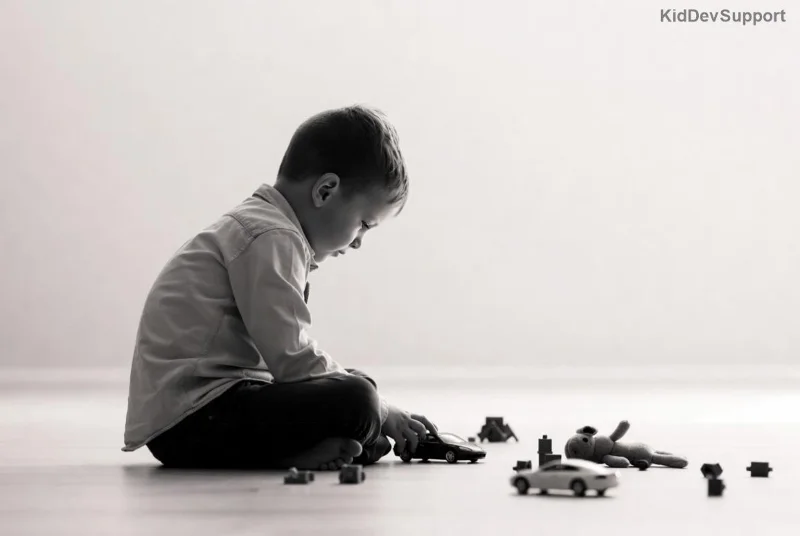
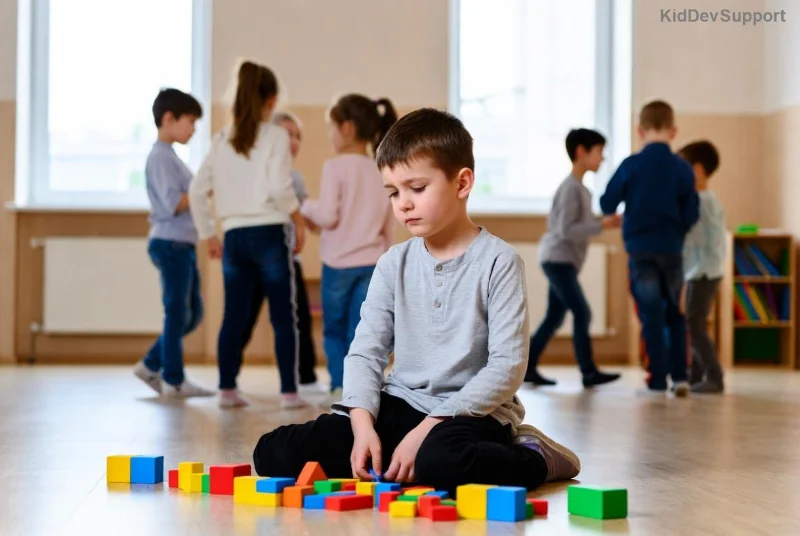
Imagine walking into a networking event, coffee shop, or family gathering where everyone chats about the weather, weekends, or "how's life?" For many, it's effortless ice-breaking. But for autistic people, small talk feels like running a mental marathon—utterly exhausting. Recent neurodiversity research highlights how this everyday social ritual triggers overload, masking fatigue, and shutdowns. If you've ever felt drained after polite chit-chat, you're not alone. This guide breaks down why small talk is exhausting for autistic people and shares actionable alternatives to foster genuine bonds. Stick around for tips that could transform your interactions.

The Hidden Toll: Why Small Talk Exhausts Autistic People
Small talk—those brief, superficial exchanges—relies on unspoken rules that neurotypical brains navigate intuitively. For autistic people, it's a cognitive gauntlet. Here's the breakdown, backed by the latest insights from autism neurology:
- Decoding Social Cues: Autistic brains process language literally. Phrases like "How's it going?" demand inferring hidden meanings, scanning facial expressions, and predicting responses. This theory of mind effort spikes mental load, per recent fMRI studies on autism spectrum traits.
- Sensory and Executive Overload: Background noise, eye contact, and rapid topic shifts overload sensory processing. Executive function—planning responses—gets hijacked, leading to autistic burnout faster than deep dives into passions.
- Masking Fatigue: Many autistic people "mask" neurodivergent traits to fit in, suppressing stims or forcing smiles. The newest research links this to chronic exhaustion, anxiety, and even physical health dips.
- Lack of Intrinsic Reward: Small talk offers no dopamine hit for detail-oriented autistic minds, which thrive on depth. It's like eating cotton candy when you crave a full meal.
These factors compound: a 10-minute chat can feel like hours, triggering meltdowns or avoidance. Understanding this empowers better strategies.
Science Confirms: Neurological Roots of Small Talk Drain
Brain imaging from leading autism centers shows autistic people activate more prefrontal cortex during social small talk—mirroring puzzle-solving stress. Dopamine pathways light up less than in neurotypicals, explaining the exhaustion. A comprehensive review of recent studies emphasizes double empathy: neurotypicals miss autistic cues too, perpetuating the cycle.
For evidence, see this Autism Speaks overview on social communication challenges or the NIH-funded empathy research. These confirm small talk isn't laziness—it's wired differently.
![Brain scan illustrating autistic social processing]()
What to Do Instead: 7 Proven Alternatives to Small Talk
Skip the drain—pivot to meaningful exchanges. These alternatives to small talk for autistic people build connections without burnout. Start small for big wins.
| Small Talk Trap |
Autism-Friendly Swap |
Why It Works ✅ |
| "Nice weather, huh?" |
"Seen any good sci-fi lately?" |
Taps shared interests, concrete topics. |
| "Busy weekend?" |
"What's captivated your attention recently?" |
Invites depth, skips vagueness. |
| "How's work?" |
"What's one challenge you're tackling?" |
Problem-solving focus energizes. |
- Dive into Special Interests: Ask about passions. "What's exciting you in [hobby]?" This sparks joy, per autism community surveys.
- Use Parallel Talk: Comment on shared environments: "That coffee smells amazing—what's your go-to brew?" Low-pressure, observational.
- Structured Scripts: Prep phrases like "Tell me more about..." to steer away from fluff. Apps like Scripted Socials help.
- Activity-Based Bonding: Games, walks, or puzzles replace chit-chat. Joint focus reduces cue-reading.
- Direct Invites: "Want to discuss [topic]?" Bypasses pretense—autistic folks appreciate candor.
- Digital First: Text or forums for low-stakes practice. Evolves to voice naturally.
- Set Boundaries: "I'm better with deep chats—skip the weather?" Educates others kindly.
Implement one today: Notice energy soar as conversations click.
![Group engaging in meaningful conversation]()
Real-Life Wins: How These Swaps Changed Everything
Autistic advocates report 80% less social fatigue using interest-led talks. One Reddit thread from r/autism shares: "Switched to 'What's your latest project?'—friends love it, I don't crash." Pair with self-care: post-interaction decompression prevents overload.
Your Next Step: Reclaim Social Energy
Small talk exhausting autistic people? It's biology, not you. Experiment with these alternatives to small talk autism style—track what recharges you. Share in comments: What's your go-to swap? For more, explore National Autistic Society resources. You've got this—deeper connections await.