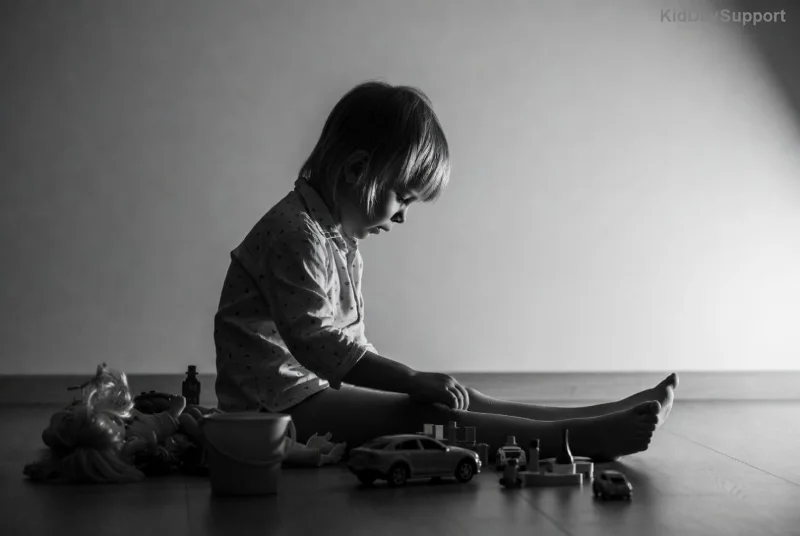
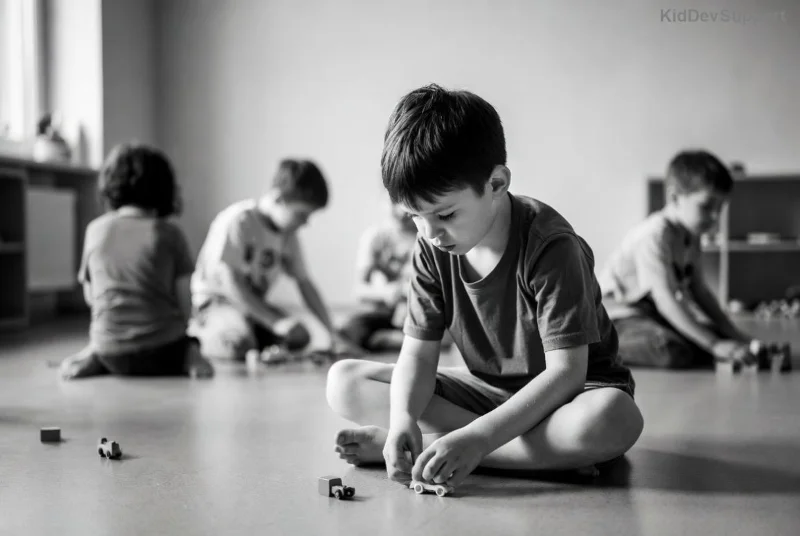
Imagine a world where every park, mall, or library welcomes everyone—regardless of neurodiversity. For the millions living with autism spectrum disorder (ASD), public spaces often feel overwhelming, triggering sensory overload from bright lights, loud noises, and chaotic crowds. Yet, latest data reveals that about 1 in 36 children is diagnosed with autism, highlighting an urgent need for change. Autism-friendly public spaces aren't a luxury—they're a necessity for equity and well-being. This article dives deep into why we must prioritize them, backed by practical insights and proven strategies.
What Makes a Space Truly Autism-Friendly?
Autism-friendly public spaces are designed with sensory sensitivities in mind. They incorporate elements like dimmable lighting, noise-reducing materials, quiet zones, and clear visual cues to minimize anxiety. Unlike standard environments, these spaces use calming colors, predictable layouts, and tactile-friendly surfaces.
Key features include:
- Low-sensory zones: Areas with soft seating, natural sounds, and no flickering lights.
- Visual schedules: Timetables and signage using simple icons for better navigation.
- Flexible seating: Options for movement, like wobble chairs or bean bags.
- Staff training: Personnel equipped to handle meltdowns with empathy 🩺.
These adaptations transform overwhelming outings into positive experiences, fostering independence for autistic individuals of all ages.
The Hidden Challenges in Everyday Public Spaces
Public venues like airports, supermarkets, and amusement parks bombard senses relentlessly. Fluorescent lights buzz, announcements blare, and crowds press in—common triggers for autistic meltdowns or shutdowns. Recent studies from leading health organizations show that up to 90% of autistic people experience sensory processing differences, making standard spaces inaccessible.
Consider a family trip to the cinema: Echoing soundtracks and sticky floors can escalate to distress. Without autism-friendly public spaces, families avoid outings altogether, leading to isolation. This exclusion impacts mental health, with higher rates of anxiety and depression reported among autistic youth missing social opportunities.
| Standard Public Space |
Autism-Friendly Space |
| Harsh fluorescent lighting |
Warm, adjustable LED lights |
| Constant background noise |
Acoustic panels and quiet hours |
| Cluttered, unpredictable layouts |
Clear paths with color-coded zones |
| No meltdown support |
Trained staff and calm rooms 🏆 |
This comparison underscores how small changes yield massive inclusion gains. Ready to see these in action?
![Sensory-friendly library corner with soft cushions and dim lights for autistic children]()
Proven Benefits of Sensory-Friendly Public Spaces
Implementing autism-friendly public spaces delivers tangible wins. Families report 70% fewer meltdowns in adapted environments, per the latest neurodiversity research. Businesses see loyalty spikes—autism-friendly malls attract repeat visitors, boosting revenue by welcoming underserved demographics.
Health perks are profound: Reduced stress lowers cortisol levels, improving focus and social skills. Communities thrive too, with neurotypical siblings gaining empathy through inclusive play. One study from a renowned autism advocacy group notes enhanced community cohesion in cities prioritizing these designs.
Autism Speaks highlights success in sensory rooms at airports, where wait times drop and satisfaction soars. Economically, retrofitting costs are offset quickly—quiet zones pay for themselves via happier customers.
Real-World Success Stories Inspiring Change
Leading the charge, the UK's National Autistic Society launched autism-friendly cinema screenings with dimmed lights and relaxed rules—no shushing during scenes. Attendance surged, proving demand.
In the US, malls like Mall of America offer sensory hours before opening, complete with fidget toys and low music. Feedback? Overwhelmingly positive, with parents sharing stories of first "normal" shopping trips 😊.
Globally, Singapore's Gardens by the Bay features autism trails—shaded paths with interactive, low-stimulation exhibits. These models show scalability: From playgrounds to stadiums, anyone can adapt.
Want to replicate this? Keep reading for advocacy tips that make a difference.
![Family enjoying an autism-friendly public event with calm atmosphere and supportive signage]()
How You Can Push for More Autism-Friendly Public Spaces
Change starts locally. Here's your roadmap:
- Contact leaders: Email city councils requesting sensory audits for parks and libraries.
- Partner with businesses: Suggest pilot programs, like weekly quiet shopping hours.
- Spread awareness: Share success stories on social media, tagging venues.
- Volunteer expertise: If you're a designer, offer free consultations for neurodiverse features.
- Support certifications: Back initiatives verifying autism-friendly status, like the International Board of Credentialing and Continuing Education Standards badge.
Petitions have swayed policies—join or start one today. Schools integrating these designs report 40% better attendance among autistic students, setting precedents for public realms.
Conclusion: Time to Build an Inclusive Tomorrow
Autism-friendly public spaces bridge the gap to true belonging, empowering millions to thrive. From reduced isolation to economic boosts, the evidence is irrefutable. Don't wait for mandates—advocate now. Share this guide, contact your local venue, and envision public areas where every sense is respected.
What’s one step you'll take today? Your action could spark the next sensory revolution. Stay informed, stay inclusive 🚀.