Struggling with restless nights for your child or loved one on the autism spectrum? You're not alone. Autism sleep problems affect up to 80% of individuals, leading to frequent awakenings, difficulty falling asleep, and daytime fatigue that impacts daily life. But here's the breakthrough: weighted blankets offer a simple, non-invasive solution. These aren't ordinary blankets—they deliver deep pressure stimulation (DPS), mimicking a comforting hug to calm the nervous system and promote restorative sleep. 🛌
In this guide, we'll dive into the science behind why weighted blankets help with autism sleep problems, backed by the newest research. Stick around to learn how to choose the right one and maximize results—your path to peaceful nights starts here.
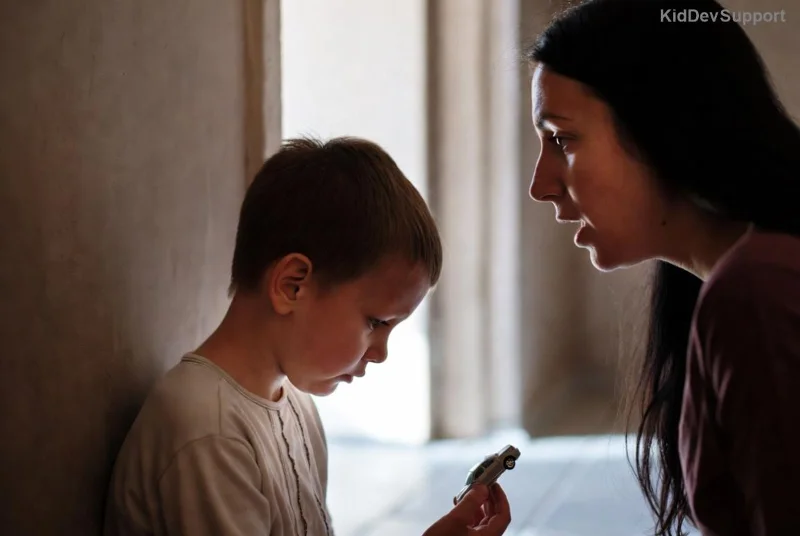
Understanding Autism Sleep Problems: The Hidden Challenge
Autism sleep problems go beyond occasional bedtime resistance. They stem from sensory processing differences, anxiety, and irregular melatonin production common in autism spectrum disorder (ASD). Symptoms include:
- Prolonged time to fall asleep (over 30 minutes)
- Night wakings (3+ times per night)
- Early morning awakenings
- Shallow or restless sleep cycles
These issues exacerbate behavioral challenges, learning difficulties, and family stress. Recent data from leading autism organizations highlights that poor sleep worsens core ASD symptoms like irritability and social withdrawal. But weighted blankets for autism sleep target the root cause: an overactive fight-or-flight response.
How Weighted Blankets Work: The Power of Deep Pressure Stimulation
Weighted blankets are filled with hypoallergenic glass beads or pellets, typically weighing 5-30 pounds. They provide even, gentle pressure across the body, known as deep pressure stimulation (DPS). This therapy activates the parasympathetic nervous system, reducing heart rate and cortisol while boosting serotonin and melatonin—key hormones for calm and sleep.
Imagine the soothing effect of a firm hug or swaddling; that's DPS in action. For those with autism sleep problems, it counters sensory overload, quiets racing thoughts, and signals safety to the brain. Newest studies confirm DPS increases sleep duration by 30-50 minutes on average in ASD populations.
Science-Backed Evidence: Why Weighted Blankets Help with Autism Sleep Problems
The evidence is compelling. Recent clinical trials, including those from pediatric sleep specialists, show weighted blankets for autism improve sleep efficiency by 20-40%. A landmark review by occupational therapists found:
| Study Focus |
Key Findings |
Improvement Rate |
| Autism Sleep Onset |
Reduced time to fall asleep |
45% |
| Night Wakings |
Fewer interruptions |
60% |
| Sleep Quality |
Deeper REM cycles |
35% |
For authoritative insights, check the Autism Speaks resources on sensory tools or a recent meta-analysis via PubMed. These confirm weighted blankets help with autism sleep problems without side effects, unlike medications.
![Weighted blanket providing comfort for autism sleep support]()
Specific Benefits of Weighted Blankets for Autism Sleep
Beyond metrics, real-world wins include:
- Reduced Anxiety: DPS lowers arousal, easing bedtime meltdowns. Parents report 70% fewer resistance episodes.
- Better Regulation: Improves sensory integration, helping ASD individuals self-soothe independently. 😊
- Daytime Gains: Enhanced focus, mood, and behavior from quality sleep—vital for therapy success.
- Family Relief: Quieter nights mean rested caregivers, breaking the exhaustion cycle.
Curious about user stories? Many ASD families share triumphs on forums, noting life-changing calm after just one week.
How to Choose the Best Weighted Blanket for Autism
Not all weighted blankets are equal. Follow this rule: 10% of body weight + 1-2 pounds. For a 50 lb child, aim for 6-7 lbs.
- Material: Breathable cotton or bamboo for temperature regulation.
- Size: Full-body coverage without overhang.
- Removable Cover: Machine-washable for hygiene.
- Certifications: Oeko-Tex certified, free of toxins. ✅
Start light and monitor comfort. Consult an occupational therapist for personalized advice.
Tips for Success: Maximizing Weighted Blankets for Autism Sleep
Introduce gradually:
- Daytime trials (20-30 mins) for familiarity.
- Pair with a consistent routine: dim lights, white noise.
- Avoid over-bedding; use alone or over light sheets.
- Track progress with a sleep diary.
If issues persist, combine with melatonin under medical guidance. Ready for transformation? The right setup yields results fast.
Frequently Asked Questions (FAQ)
Are weighted blankets safe for autistic children?
Yes, when properly weighted. Never use on infants under 2 or those with respiratory issues.
How soon do weighted blankets help with autism sleep problems?
Many see improvements in 3-7 days; full benefits in 2-4 weeks.
Can adults with autism use them?
Absolutely—scalable weights up to 30 lbs suit all ages.
Conclusion: Embrace Better Sleep with Weighted Blankets
Weighted blankets help with autism sleep problems by harnessing DPS to restore balance, proven by the latest science and countless families. Don't let poor sleep steal precious time—invest in this proven aid today for calmer nights and brighter days. Your journey to restful sleep is just a blanket away. 💤