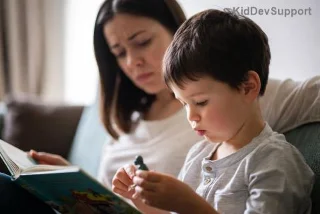
As a parent, noticing your little one struggling with words can spark worry. Is it just a phase, or are there signs your child's speech delay needs professional help? Early detection is key to unlocking your child's communication potential. This guide breaks down the most telling indicators, backed by the latest guidelines from trusted sources like the American Speech-Language-Hearing Association (ASHA) and Centers for Disease Control and Prevention (CDC). Stay tuned to learn exactly when to act. 👶
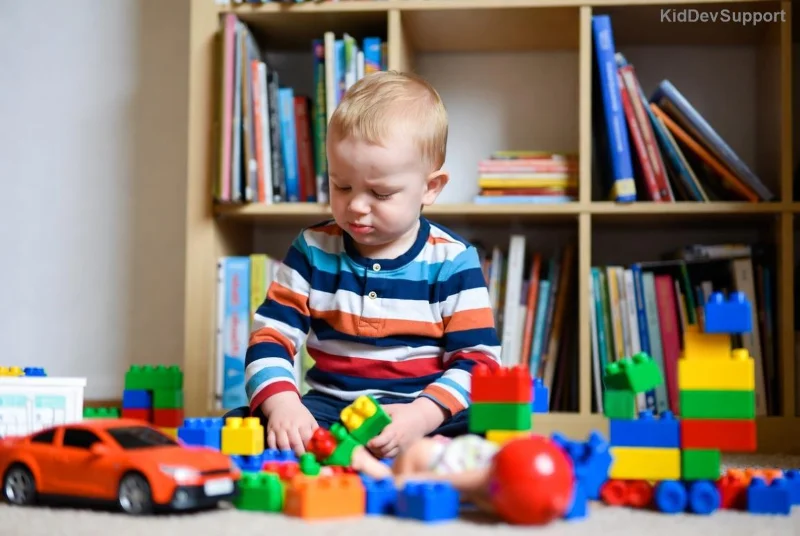
Understanding Normal Speech Delay in Children vs. Red Flags
Not every quiet toddler has a delay, but persistent issues signal it's time for pros. Speech delay affects about 1 in 14 children under 3, per recent studies. Key is tracking milestones—when kids miss them consistently, intervention works best.
Speech Milestones by Age: Spot the Gaps
Use this table to compare your child's progress. If they lag behind in multiple areas, note it as a potential sign your child's speech delay needs professional help.
| Age |
Expected Milestones |
Red Flags (Seek Help If...) |
| 0-12 Months |
Babbling, first words like "mama," responds to name, imitates sounds. |
No babbling by 6 months, no gestures (waving bye) by 12 months, doesn't turn to sounds. ⚠️ |
| 12-18 Months |
5-20 words, points to objects, follows simple directions. |
Fewer than 6 words, no pointing or eye contact during communication. |
| 18-24 Months |
50+ words, 2-word phrases ("more milk"), names familiar things. |
Under 50 words, no 2-word combos, ignores you when spoken to. 🗣️ |
| 2-3 Years |
200-1000 words, 3-4 word sentences, clear speech to strangers. |
Not using sentences, frequent frustration from not being understood, speech unclear even to parents. |
| 3+ Years |
Tells stories, asks questions, 90% intelligible speech. |
Stuttering persists >6 months, avoids talking, regresses in skills. 🚨 |
This milestone chart draws from the CDC's latest developmental trackers. Print it out and check monthly—progression matters more than perfection.
Top 10 Signs Your Child's Speech Delay Needs Immediate Professional Help
Here are the standout signs your child's speech delay needs professional help. If you spot 3 or more, consult a speech-language pathologist (SLP).
- No babbling or gesturing by 12 months: Babies should coo, babble, and wave. Silence here screams for evaluation.
- Limited vocabulary explosion: By 2 years, words should multiply. Stuck at 20? Red alert.
- Inability to follow simple commands: "Give me the ball" should be easy by 18 months. Failure points to receptive language issues.
- Frustration and tantrums over communication: Biting or meltdowns from unmet needs? Speech gaps fuel this. 😠
- Regression in skills: Losing words they once said? This is a critical speech delay sign—act fast.
- Poor eye contact or social engagement: Not looking while talking could link to autism or hearing problems.
- Unintelligible speech past 3 years: Strangers baffled? Therapy sharpens clarity.
- Over-reliance on gestures: Still pointing instead of talking at 2.5 years? Verbal skills need boosting.
- Family history of delays: Genetics play a role—don't wait if relatives had issues.
- Associated concerns like hearing loss or ear infections: Rule these out first, but pair with speech checks. 👂
![Happy child speaking clearly after therapy]()
Why Early Intervention for Speech Delay in Children is Crucial
The latest research shows kids starting speech therapy before age 3 gain 2-3x better outcomes. Programs like Early Intervention (free in many areas) target root causes— from tongue ties to auditory processing. Delaying? Risks include social isolation, poor academics, and low self-esteem. But success stories abound: many "late talkers" thrive with help. 🌟
Common Causes Behind Child Speech Milestones Delays
- Hearing impairments (test early!)
- Oral-motor issues (e.g., weak tongue muscles)
- Bilingual homes (normal lag, but monitor)
- Prematurity or low birth weight
- Autism spectrum or global developmental delays
Per ASHA's newest resources, 70% of delays resolve with targeted therapy. Don't self-diagnose—SLPs assess holistically.
Steps to Take If You See These Speech Delay Signs
1. Track progress weekly.
2. Screen hearing via pediatrician.
3. Contact Early Intervention (birth-3) or school district (3+).
4. Home tips: Read daily, narrate actions, limit screens.
5. Schedule SLP eval—often covered by insurance.
"Early speech support turns whispers into roars." – Pediatric SLP insight
What to Expect from Professional Speech Therapy for Kids
Sessions are play-based: songs, toys, apps. Progress in 3-6 months typical. Parents learn techniques too, amplifying gains at home. Celebrate small wins—like first clear "I love you." 💕
Final Thoughts: Don't Wait on Signs Your Child's Speech Delay Needs Professional Help
Spotting these signs empowers you to advocate. Your child deserves a voice—seek help today for tomorrow's chatterbox. Questions? Comment below or consult your doctor. Share this if it helped a parent! 📢
Updated with the latest expert guidelines for optimal child development.