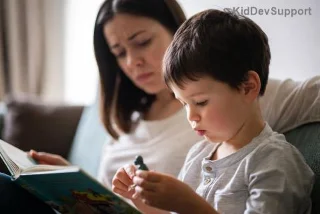
Is your little one struggling with words while peers chatter away? Speech delay affects millions of children, but you don't need fancy therapy sessions to make a difference. Discover how to use books to help speech delay at home with simple, engaging strategies backed by the latest pediatric research. These methods build vocabulary, pronunciation, and confidence through joyful reading moments. Keep reading to transform storytime into a powerful speech booster! 📚

Understanding Speech Delay: Why Early Intervention Matters
Speech delay occurs when a child doesn't meet typical milestones for talking, such as babbling by 6 months or combining words by age 2. The latest guidelines from speech-language experts highlight that home-based activities like reading can significantly improve outcomes. Unlike passive screen time, books encourage active listening, repetition, and interaction—key elements for language growth.
Recent studies show children exposed to daily reading sessions develop larger vocabularies and better articulation. By integrating books into your routine, you're not just entertaining; you're rewiring neural pathways for speech success. Ready to dive into practical steps?
Why Books Are the Ultimate Tool for Helping Speech Delay at Home
Books stand out because they pair visuals with words, prompting natural repetition and sound play. The American Speech-Language-Hearing Association (ASHA) emphasizes interactive reading as a top home strategy. Benefits include:
- Expanded vocabulary through repeated exposure.
- Improved phonemic awareness (sound recognition).
- Enhanced turn-taking in conversations.
- Boosted confidence via familiar stories.
Parents using these techniques report noticeable improvements in weeks. Let's explore the blueprint.
Step-by-Step Guide: How to Use Books to Help Speech Delay at Home
1. Select the Perfect Books
Choose board books with bold pictures, rhymes, and few words for beginners. Opt for repetitive phrases like "Brown Bear, Brown Bear, What Do You See?" to encourage echoing. Avoid overwhelming texts; focus on high-contrast images for younger kids.
Pro tip: Rotate 3-5 books weekly to maintain excitement and target new sounds.
2. Establish a Cozy Reading Routine
Consistency is key. Aim for 15-20 minutes daily, twice if possible—morning for energy, bedtime for calm. Create a dedicated spot with pillows and dim lights. Start with a song to signal "reading time," building anticipation.
![Parent and child interactive reading session for speech delay]()
3. Master Interactive Reading Techniques
Don't just read—engage! Pause before turning pages, asking "What's next?" Use exaggerated voices for characters to model intonation. Point to pictures and label: "Look, a red apple!" Encourage your child to fill in words or make sounds.
Advanced move: Echo reading—say a line, have them repeat. This builds fluency without pressure.
4. Extend Books into Play Activities
After reading, act it out! For "The Very Hungry Caterpillar," use props for pretend eating. Sing nursery rhymes from books or draw scenes together, naming colors and objects. These extensions reinforce learning playfully.
Track sessions in a journal: Note new words or sounds to celebrate progress. 💯
Age-Appropriate Book Recommendations for Speech Delay
Here's a curated table of top books, selected for their speech-boosting features like rhymes and repetition. Tailor to your child's age for maximum impact.
| Age Group |
Book Title |
Why It Helps |
Key Activity |
| 0-18 months |
Dear Zoo |
Lift-the-flap for surprises; animal sounds. |
Roar like a lion! 🦁 |
| 18-24 months |
Brown Bear, Brown Bear |
Repetitive questioning builds prediction. |
Point and name colors. |
| 2-3 years |
The Very Hungry Caterpillar |
Counting and sequencing foods. |
Pretend munching 🍎 |
| 3+ years |
Where the Wild Things Are |
Rich descriptions for storytelling. |
Role-play adventures. |
Monitor Progress and Know When to Seek Help
![Happy child overcoming speech delay with books]()
Observe milestones: By 24 months, 50+ words; by 36 months, simple sentences. Use apps or charts from trusted sources like the CDC (CDC Milestones) to track. If no improvement after 4-6 weeks, consult a speech therapist—books complement, not replace, professional care.
Avoid These Common Pitfalls in Using Books for Speech Delay
- Rushing through pages—slow down for processing.
- Forcing participation—keep it fun to avoid frustration. 😊
- Ignoring non-verbal cues—sign language pairs well with books.
- Overloading with too many books—quality over quantity.
Final Thoughts: Start Your Reading Revolution Today
Mastering how to use books to help speech delay at home empowers you to give your child the gift of words. With daily routines, interactive flair, and the right titles, you'll see smiles and sentences emerge. Commit to one technique today—what book will you pick first? Share your wins in the comments and watch your child's voice bloom! 🌟
Information based on the latest recommendations from pediatric and speech-language experts.