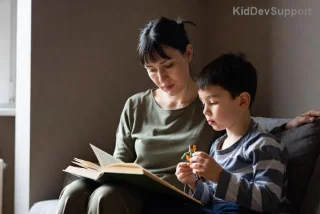
Is your little one juggling two languages but not chatting as much as you'd expect? You're not alone. Detecting speech delay in bilingual children can feel confusing amid the mix of tongues. But here's the good news: bilingual kids often hit milestones differently, and most catch up just fine. This guide cuts through the noise with the latest research, helping you spot what's normal versus when to act. Stick around to learn key signs, milestones, and actionable steps—your peace of mind starts here.
Why Speech Delay in Bilingual Children Feels Different
Bilingual children learn two sound systems, vocabularies, and grammars simultaneously. This "cognitive juggling" can make their speech seem slower at first, but latest studies show they often match or surpass monolingual peers by school age. The key? Understanding normal speech development in bilingual children prevents unnecessary worry.
Unlike monolingual kids, bilingual toddlers might:
- Mix languages (code-switching) – totally normal!
- Start speaking later in one language while excelling in the other.
- Use gestures more before words emerge.
Recent data from speech-language experts confirms bilingualism doesn't cause delays—it's a strength. But true speech delay in bilingual children affects communication across both languages.
Normal Speech Milestones for Bilingual Kids: A Clear Comparison
To master detecting speech delay in bilingual children, compare milestones. Bilingual kids total words across languages count toward goals. Here's a handy table based on the newest guidelines:
| Age |
Monolingual Expectations |
Bilingual Expectations (Total Across Languages) |
| 6-12 months |
Babbling, first words like "mama" |
Similar babbling in both languages; responds to names in either |
| 12-18 months |
5-20 words |
10-50 total words; may prefer one language |
| 18-24 months |
50+ words, 2-word phrases |
100+ total words; simple phrases mixing languages OK |
| 2-3 years |
200-1000 words, short sentences |
Similar totals; understands both languages well |
| 3-4 years |
Full sentences, storytelling |
Separates languages more; fluent in contexts |
This table highlights: bilingual kids aren't "behind"—they're building double the toolkit. If totals lag significantly, dig deeper.
![Child milestone chart for bilingual speech development]()
Red Flags: Signs of True Speech Delay in Bilingual Children
Not all quiet phases signal trouble, but watch for these persistent signs across both languages:
- No babbling or gestures by 12 months 👶
- Fewer than 10-50 total words by 18-24 months
- No 2-word combos (e.g., "more milk" or equivalent) by 2 years
- Difficulty being understood by strangers after 3 years
- Limited eye contact or play skills alongside speech issues
Pro tip: Track progress monthly. Apps or journals help. If your child understands one language perfectly but speaks neither well, it might point to a delay—not bilingualism.
How to Detect Speech Delay: Step-by-Step Parent Guide
Empower yourself with these practical steps for detecting speech delay in bilingual children:
- Observe daily: Note words, phrases, and understanding in each language.
- Use screening tools: Free online quizzes from trusted sources like the CDC (CDC Milestones).
- Record videos: Share with pediatricians for objective review.
- Test responsiveness: Does your child follow simple instructions in either language?
- Consult pros early: Pediatricians or speech therapists specializing in bilingualism.
Early detection boosts outcomes—kids with interventions thrive 80% faster per latest findings.
Busting Myths: Bilingualism Doesn't Equal Speech Delay
Myth #1: "Two languages confuse kids." Fact: Brains compartmentalize brilliantly.
Myth #2: "Speak one language only." Nope—consistent exposure to both wins.
Latest research from the American Speech-Language-Hearing Association (ASHA) (ASHA Resources) debunks these, showing bilingual kids excel in focus and problem-solving.
![Family supporting bilingual child speech growth]()
When to Seek Help: Don't Wait! 🏥
If red flags persist past milestones, see a specialist. In many places, early intervention is free. Look for:
- SLPs (Speech-Language Pathologists) with bilingual expertise
- Hearing tests first—rules out physical issues
- Play-based therapy tailored to both languages
Success stories abound: Kids flagged early often catch up by kindergarten, chatting fluently in both tongues. 😊
5 Proven Tips to Boost Speech Development in Bilingual Children
Support naturally without pressure:
- One parent, one language (OPOL) strategy 🗣️
- Read bilingual books daily 📖
- Sing songs and rhymes in both languages
- Respond enthusiastically to every attempt
- Limit screens; prioritize real talk
Consistency is key—your input shapes their output.
Final Word: Empower Your Bilingual Star
Detecting speech delay in bilingual children boils down to knowing normals, spotting flags, and acting swiftly. Most bilingual kiddos shine brighter for their dual skills. Track, support, and celebrate every word. Got concerns? Chat with your doctor today. Share your story below—what's worked for your family? Keep reading for more parenting wins!
Disclaimer: This isn't medical advice. Consult professionals for personalized guidance.