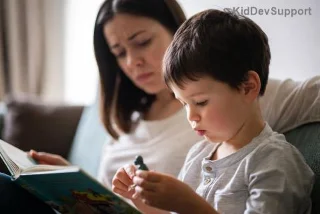
Every parent dreams of hearing their late-talking toddler utter those magical first words. If your little one is over 18 months and still mostly silent, you're not alone—up to 15% of toddlers experience speech delays. But the good news? With targeted, everyday strategies, you can spark their first words and build a foundation for fluent communication. This guide delivers the latest, evidence-based tips to help you encourage first words in late-talking toddlers, keeping things practical and actionable so you see results fast.
Understanding Late-Talking Toddlers: When Is It a Concern?
Late-talking toddlers are children aged 18-30 months who have fewer than 50 words or no two-word combinations. According to the newest guidelines from speech-language experts, most toddlers say 10-20 words by 18 months, 50 by 24 months, and simple phrases by 30 months. Delays can stem from temporary factors like bilingual homes or ear infections, but early intervention makes all the difference.
Key Signs Your Toddler Needs Support
- No babbling or gesturing by 12 months
- Fewer than 6 words by 18 months
- No two-word phrases by 24 months
- Frustration from inability to communicate 🥺
Spotting these early? Don't panic—proactive steps at home can ignite progress before professional help is needed.
Why Toddlers Talk Late: Common Causes
Recent studies highlight factors like limited verbal input, excessive screen time, or subtle hearing issues. Bilingual exposure often delays words but leads to richer vocabularies long-term. Genetics play a role too— if siblings were late talkers, your child might follow suit. The key? Focus on enrichment rather than worry.
7 Proven Ways to Encourage First Words in Late-Talking Toddlers
These strategies, drawn from the latest pediatric speech therapy research, emphasize interaction over drills. Implement them daily for breakthroughs.
1. Build a Language-Rich Environment
Narrate everything: "Ball goes bounce!" during play. Reduce background noise and screens—aim for zero passive TV under 2 years. Face-to-face talk boosts imitation by 30%.
2. Use Parallel Talk and Self-Talk
Describe your actions (self-talk) and theirs (parallel talk): "Mommy pours milk. Baby drinks yum!" Repetition wires the brain for first words.
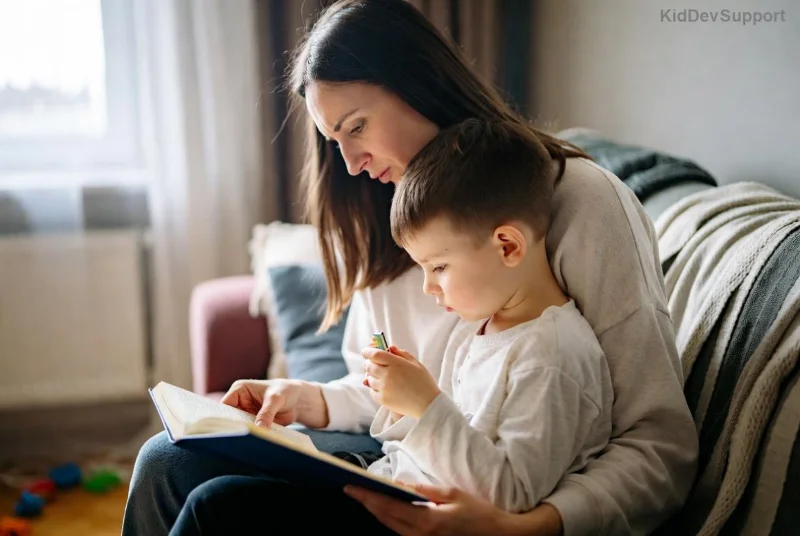
3. Read Books Daily with Enthusiasm 📖
Choose board books with pictures, not text. Point and label: "Dog woof!" Pause for their point or sound. New data shows 20 minutes daily doubles vocabulary growth.
| Activity |
Why It Works |
Daily Tip |
| Peek-a-Boo |
Teaches object permanence and turn-taking |
Exaggerate "boo!" for sound imitation |
| Song Time (e.g., Wheels on the Bus) |
Rhythm aids memory and pronunciation |
Slow down words like "round and round" |
| Pointing Games |
Links gestures to words |
Say "ball" as they reach |
| Bubble Blowing |
Combines motor skills with "more!" requests |
Wait for eye contact before next bubble |
4. Play Interactive Games 🧸
Games like stacking blocks prompt "up" or "more." Use toys they love—model words during their favorite moments. This child-led approach yields 40% more vocalizations.
![Parent playing with late-talking toddler to encourage speech]()
5. Expand on Their Sounds
If they babble "ba," respond "Ball! Yes, big ball!" This scaffolding technique from modern therapy accelerates word learning without pressure.
6. Limit Choices to Prompt Words
Offer two options: "Apple or banana?" Their point or grunt becomes a word opportunity. Patience here prevents frustration.
7. Sing, Rhyme, and Gesture
Incorporate sign language basics like "more" or "eat" alongside spoken words. Multisensory input from recent studies shows faster results for late-talking toddlers.
Sample Daily Routine to Spark Toddler First Words
- Morning: Sing bath songs while washing 🛁
- Playtime: 15 mins interactive toys
- Lunch: Narrate eating, offer choices
- Afternoon: Read and point to pictures
- Evening: Wind-down with rhymes
Consistency is key—track progress in a journal. Expect first words within weeks if you stay engaged.
When to Consult a Professional 🩺
Most late-talking toddlers catch up with home strategies, but seek help if no words by 24 months or regression occurs. Early intervention programs offer free screenings. For trusted resources, visit ASHA.org or your pediatrician. Speech therapy yields 70% improvement in the newest trials.
For hearing checks, the CDC recommends routine screens—link here.
Your Path to Hearing Those First Words 🎉
Encouraging first words in late-talking toddlers is about joyful connection, not perfection. Start with one strategy today—narrate playtime—and watch your child's voice emerge. You've got this! Share your wins in the comments and keep the momentum going. Ready for more? Dive into our guide on toddler milestones next.