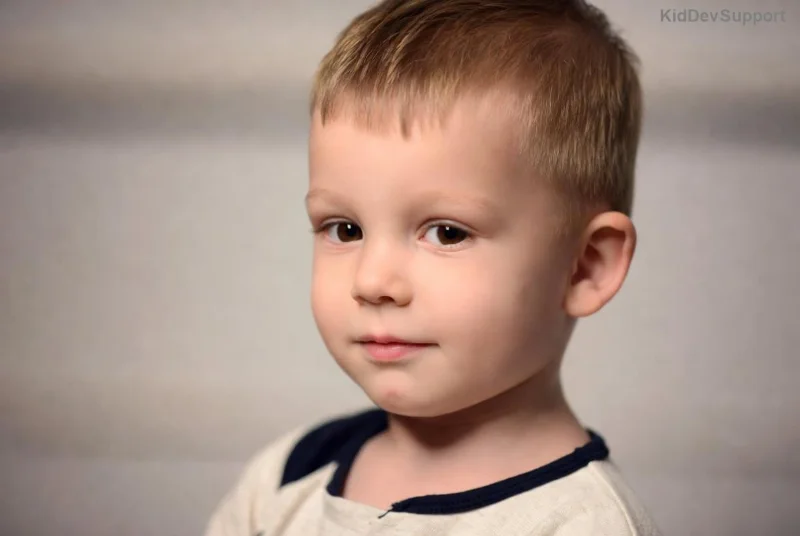
As a parent, watching your toddler grow is pure joy—especially those first words that light up the room. But what if speech delay in toddlers sneaks in unnoticed? Early detection can make all the difference in supporting your child's communication skills. According to the latest guidelines from health authorities like the CDC, most toddlers hit key speech milestones predictably. Spotting early signs of speech delay empowers you to act fast, potentially avoiding long-term challenges.
In this guide, we'll break down the top 10 early signs of speech delay in toddlers, backed by the newest developmental data. We'll use a clear milestone table first, then dive into each sign with practical tips. Stick around to learn when to consult a professional and simple home strategies. Your child's voice starts here—let's ensure it flourishes! 👶🗣️
Quick Reference: Toddler Speech Milestones Table
| Age Range |
Typical Milestone |
Sign of Speech Delay |
| 6-12 months |
Babbling, imitating sounds |
No babbling or gestures |
| 12-18 months |
First words (5-20 words) |
No single words |
| 18-24 months |
50+ words, 2-word phrases |
Fewer than 50 words |
| 24-36 months |
Simple sentences, clear speech |
No 2-word combos, unclear speech |
This table highlights red flags based on the most recent pediatric standards. If your toddler misses multiple markers, read on for detailed signs. Early intervention boosts outcomes by up to 70%, per leading speech therapy research.

1. No Babbling or Cooing by 12 Months
The foundation of speech delay in toddlers often starts here. By their first birthday, toddlers should experiment with babbling like "ba-ba" or "da-da." If silence persists, it could signal hearing issues or oral motor delays. Tip: Play peek-a-boo daily to encourage sounds. No change? Screen hearing first.
2. Limited or No Single Words by 18 Months
Expect 10-20 words like "mama," "ball," or "no" around this age. Early signs of speech delay include vocabulary stalls. This isn't shyness—it's a milestone miss. Action: Narrate your day: "Look, red apple!" to build associations.
3. No Two-Word Phrases by 24 Months
Phrases like "more milk" or "big dog" show combining skills. Absence screams toddler speech delay symptoms. Frustration mounts as they point desperately. Pro Tip: Model phrases back: If they say "juice," reply "want juice?"
4. Difficulty Following Simple Instructions
By 24 months, "give me the ball" should prompt action. Struggles indicate receptive language delays, a core sign of speech problems in toddlers. Test with fun games like Simon Says. Persistent issues? Receptive delays often pair with expressive ones.
5. Over-Reliance on Gestures Instead of Words
Pointing or grunting works short-term, but by 2 years, words should dominate. Heavy gesturing flags speech development delay. Encourage: Echo their gestures with words: "You want up? Up please!"
![Parent helping toddler with speech exercises]()
6. Poor Eye Contact During Communication
Toddlers engage eyes when "talking." Avoidance hints at social or auditory processing issues linked to speech delay in toddlers. Boost with face-to-face play like reading books. Track progress weekly.
7. Regression: Losing Words They Once Knew
Gaining then losing skills? This early sign of speech delay warrants immediate attention—unlike typical plateaus. Could tie to autism spectrum or seizures. Document lost words and consult a pediatrician pronto.
8. Frustration or Tantrums from Unmet Communication
Inability to express needs leads to meltdowns. More than typical toddler fits, this signals toddler speech milestones gaps. Solution: Use picture cards for choices, easing tension while building vocabulary.
9. Unclear Speech or Limited Sound Variety
By 2-3 years, most sounds (p,b,m,n) should emerge clearly. Mumbling or vowel-only talk is a sign of speech problems in toddlers. Rule out physical causes like tongue ties with a specialist.
10. Family History or Co-Occurring Delays
Genetic links or delays in motor/social skills amplify risks. If siblings had issues or your toddler lags in walking/crawling, monitor speech delay symptoms closely. Holistic screening catches clusters early.
![Happy toddler achieving speech milestone]()
What to Do If You Spot These Early Signs of Speech Delay
Don't panic—early intervention is key. Schedule a pediatric check-up. Free screenings via CDC Act Early or ASHA resources guide next steps. Therapies like play-based speech sessions yield 80% improvement rates in the latest studies.
Home Strategies to Boost Speech Development in Toddlers
- Read daily—point and name everything.
- Sing rhymes to practice rhythms.
- Limit screens; prioritize talk time.
- Respond enthusiastically to every attempt.
Curious about progress tracking? Download milestone apps from trusted sources. Many parents see breakthroughs in weeks with consistency. Your vigilance today shapes their confident tomorrow.
Final Thoughts: Empower Your Toddler's Voice
Recognizing these 10 early signs of speech delay in toddlers arms you with knowledge. Most kids catch up with support, but acting now prevents hurdles. Share your story in comments—have you spotted these? Consult pros for personalized advice. Here's to chatty, thriving toddlers! 🌟