If you're worried about your child's speech delay, you're not alone. Many parents notice their little ones struggling with words, sounds, or clear communication. The good news? Early intervention with fun, everyday speech delay activities can make a huge difference. These 10 easy at-home exercises are designed for toddlers and preschoolers, drawing from the latest recommendations by speech-language experts. No fancy tools needed—just your time and creativity.
Why focus on home activities? Consistent practice builds neural pathways for language, improves articulation, and boosts confidence. Start today, and watch your child light up as they find their voice. Ready to dive in? Let's explore these game-changing ideas, one by one.
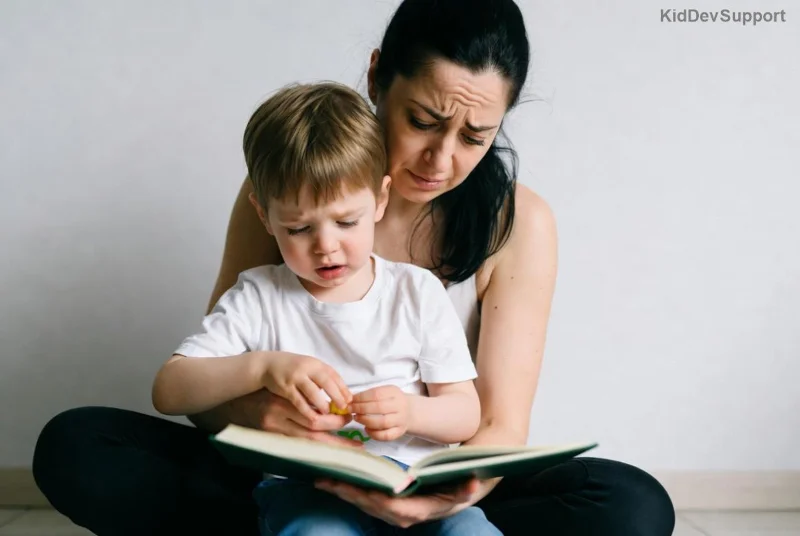
1. Interactive Book Reading: Build Vocabulary Magic 🧙♀️
Grab a colorful picture book and make reading interactive. Point to images, name objects, and ask simple questions like "Where's the dog?" Pause for your child to respond—even a babble counts!
- How to do it: Read 10-15 minutes daily. Use exaggerated voices for characters.
- Benefits: Expands vocabulary by 20-30% with regular use, per recent speech therapy studies.
- Pro tip: Repeat favorite books to reinforce words.
This simple routine turns storytime into a powerhouse for speech delay progress. Curious about songs next?
2. Sing-Along Songs: Rhythm for Clear Sounds 🎵
Songs slow down language, making it easier to mimic. Classics like "Twinkle Twinkle Little Star" or "Old MacDonald" are perfect starters.
- How to do it: Sing slowly, emphasizing animal sounds (e.g., "Moo!"). Clap or use hand motions.
- Benefits: Improves phonemic awareness and mouth movements for better articulation.
- Pro tip: Record yourselves singing for playback fun.
Keep the energy high—your child's first clear words might just come from a tune!
3. Mirror Time: Watch and Copy Faces 😊
Stand in front of a mirror together. Make silly faces, stick out tongues, and blow raspberries.
- How to do it: Name actions: "Big smile! Round O mouth!" Copy each other.
- Benefits: Strengthens oral muscles essential for speech sounds like /p/, /b/, /m/.
- Pro tip: Add sounds like "Ahh!" or "Ooo!" for vocal play.
![Family mirror activity for speech development]()
Mirror play isn't just fun—it's a visual feedback loop for speech delay activities. Next up: bubbles for explosive progress!
4. Bubble Blowing Bonanza: P-Pop Power 💥
Bubbles encourage the "p" and "b" sounds naturally. Chase, pop, and blow together.
- How to do it: Say "Bubble!" before blowing. Prompt "Pop!" as they burst them.
- Benefits: Targets bilabial sounds, common challenges in speech delay.
- Pro tip: Use straws for smaller bubbles to refine lip control.
5. Animal Sound Safari: Mimic and Roar 🦁
Turn your home into a zoo. Use toys or pictures: "What does the lion say? Roar!"
- How to do it: Collect animal toys; make noises and have your child imitate.
- Benefits: Builds expressive language and turn-taking skills.
- Pro tip: Pair with books or videos for variety.
These sounds pave the way for words. Imagine the roars turning into full sentences!
6. Picture Naming Game: Label the World 🏠
Print or draw simple pictures. Name them, then ask your child to repeat.
| Picture Category |
Example Words |
Target Sounds |
| Food |
Apple, Banana |
/a/, /b/ |
| Animals |
Cat, Dog |
/k/, /d/ |
| Toys |
Ball, Car |
/b/, /k/ |
- Pro tip: Laminate for reuse and add magnets to the fridge.
This visual aid supercharges word recall. Stay tuned for puppet power!
7. Puppet Play Theater: Conversation Starters 🎭
Use socks or store-bought puppets. Have them "talk" to each other—and your child.
- How to do it: Simple scripts: "Hello! What's your name?" Encourage responses.
- Benefits: Fosters social language and reduces shyness.
- Pro tip: Let your child control a puppet for ownership.
![Puppet play for speech delay therapy at home]()
8. Kitchen Chat: Name Ingredients While Cooking 👩🍳
Involve your child in meal prep. "Pass the red apple!" Name colors, shapes, textures.
- How to do it: Safe tasks like stirring or pouring. Describe actions verb-ally.
- Benefits: Links words to real-life objects for retention.
- Pro tip: Use play dough for mess-free practice.
Cooking isn't just tasty—it's a language feast!
9. Scavenger Hunt: Find and Describe 🕵️
Hide household items. "Find something round and blue!" Describe as they bring it back.
- How to do it: Start easy: colors, then shapes/sizes.
- Benefits: Enhances descriptive language and listening.
- Pro tip: Outdoors for bonus movement.
10. Toy Storytelling: Create Narratives Together 📖
Line up toys for a story. "The teddy bear went to the park. What happened next?"
- How to do it: Take turns adding sentences. Use props for visuals.
- Benefits: Develops grammar, sequencing, and imagination.
- Pro tip: Record stories for replay and praise.
End with a bang—your child's stories will inspire you!
Quick Tips for Success in Speech Delay Activities ✅
- Practice 10-20 minutes daily, multiple short sessions.
- Praise efforts: "Great try on 'bubble'!"
- Track progress in a journal.
- If no improvement in 3 months, consult a speech-language pathologist. For more resources, check ASHA.org.
These speech delay activities are your at-home toolkit for transformation. Start with one today, and build from there. Your child’s first clear "I love you" is closer than you think. Share your wins in the comments—what activity worked best for you?