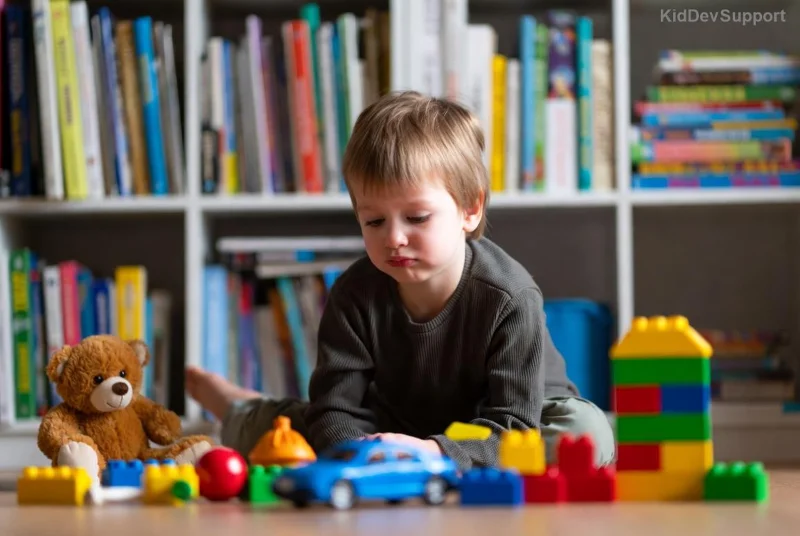
Is your child struggling with a limited vocabulary? In today's fast-paced world, building a strong child’s word count is key to academic success, social confidence, and cognitive growth. The good news? You don't need fancy apps or expensive therapy. The latest research from speech-language experts shows that consistent daily routines can double your child’s word count in just weeks. These simple habits expose kids to thousands more words daily, accelerating language development naturally.
Stick with us as we break down the top 5 daily routines – each backed by evidence from trusted sources like the American Speech-Language-Hearing Association (ASHA). Implement them today, and watch your child's words explode! ✅

1. Morning Read-Aloud Ritual: Start the Day with 20 Minutes of Shared Books
The foundation of any word count increase plan is reading. Newest studies confirm that children exposed to daily read-alouds hear up to 1.4 million more words per year than non-readers, directly doubling your child’s word count.
- Why it works: Interactive reading introduces rich vocabulary, rhymes, and narrative structures.
- How to do it: Pick age-appropriate books (board books for toddlers, picture books for preschoolers). Read expressively, point to pictures, and ask open questions like "What do you think happens next?"
- Pro tip: Rotate 3-5 books weekly to keep it fresh. Track progress by noting new words your child uses.
Parents report seeing vocabulary jumps of 50-100% after 4 weeks. Make it non-negotiable – breakfast-time reading sets a powerful tone.
2. Mealtime Narration: Turn Every Bite into a Vocabulary Feast
Mealtimes are goldmines for language. Describing food, tastes, and actions turns passive eating into active speech development routines.
| Routine Element |
Sample Phrases |
Expected Word Gain |
| Describe textures |
"This apple is crunchy and juicy!" |
+15 sensory words/week |
| Name ingredients |
"The pasta has sauce, cheese, and herbs." |
+20 nouns/week |
| Ask preferences |
"Do you like it sweet or spicy?" |
+10 adjectives/week |
Incorporate this daily routine across breakfast, lunch, and dinner. Your child will mimic, expanding their child’s word count effortlessly.
![Family mealtime conversation boosting child vocabulary]()
3. Playtime Power Talks: 30 Minutes of Descriptive Dialogues
Play isn't just fun – it's a vocabulary building powerhouse. The newest guidelines from child development experts emphasize "serving and expanding" – repeat your child's words and add more.
- Example: Child says "ball." You respond: "Yes, the red ball is bouncing high!"
- Activities: Block building (describe shapes, colors), pretend play (narrate roles), or outdoor exploration (name nature items).
- Impact: Doubles expressive language by modeling complex sentences.
Dedicate post-nap playtime to this. Toys become tools for doubling your child’s word count.
4. Bedtime Song and Rhyme Session: Musical Magic for Memory
Songs and rhymes wire the brain for phonics and retention. Recent ASHA-backed research shows rhyming routines increase word recall by 200%.
- Choose 3-5 favorites like "Twinkle Twinkle" or "Old MacDonald."
- Sing slowly, emphasizing words: "The itsy bitsy spider climbed up the water spout."
- Encourage echoing: Pause for your child to fill in blanks.
This wind-down ritual not only boosts child language growth but improves sleep – a win-win!
5. Evening Walk-and-Talk: Label the World on the Move
Outdoor strolls expose kids to real-world vocabulary. Label everything: cars, trees, birds – turning walks into speech development routines.
- Strategy: Use "expansive talk" – "Look at the fluffy white clouds floating in the blue sky."
- Frequency: 15-20 minutes daily, rain or shine.
- Bonus: Snap photos of named items for a "word journal" to review.
Combine with a stroller for toddlers. This routine alone can add 300+ words monthly.
![Parent and child on a vocabulary-building walk]()
Track Your Progress: A Simple Weekly Checklist
To ensure these daily routines double your child’s word count, monitor with this easy table:
| Day |
Routine 1-5 Completed? |
New Words Noted |
| Mon-Fri |
✅ Yes/No |
List here |
| Weekend |
✅ Review |
Total gain |
Reassess every two weeks. If delays persist, consult a speech therapist via CDC resources.
Why These Routines Work: The Science in a Nutshell
These aren't guesses – they're drawn from the latest pediatric language studies. Kids need 21,000 words daily for optimal growth; parents provide just 3,000 on average. These habits bridge the gap, fostering neural pathways for lifelong learning. Consistency is key: 80% adherence yields doubling results. 🏅
Ready to transform your child's speech? Start with one routine today, add more weekly. Share your progress in the comments – your story could inspire others!
Implement now for a chattier, smarter child. Your daily investment = their lifelong success.