Every parent of a late talker wonders: could talking toys spark their child's first words? Or do they silently sabotage progress? With speech delays affecting up to 1 in 10 toddlers, these interactive gadgets promise fun learning but spark debate among experts. This guide dives deep into the evidence, weighing pros against cons to help you decide what's best for your little one. 👶

What Are Late Talkers and Why Do They Matter?
Late talkers are children, typically aged 18-30 months, who lag in expressive language. They might understand words (receptive language) but struggle to speak. The latest pediatric guidelines highlight that while many catch up naturally, early intervention prevents long-term issues like reading challenges.
Common signs include:
- Fewer than 50 words by 24 months
- No two-word phrases by 30 months
- Limited gestures or eye contact during play
Understanding this sets the stage: talking toys enter as potential allies or obstacles in bridging this gap.
The Rise of Talking Toys: What Makes Them Tick?
Talking toys—think singing dolls, chatty trucks, or app-connected plushies—use buttons, sensors, and pre-recorded phrases to "speak." Popular examples include LeapFrog toys or FurReal friends. Manufacturers claim they build vocabulary through repetition and engagement.
But do they deliver for late talkers? Let's break it down with a balanced view.
Pros of Talking Toys for Late Talkers: The Bright Side
When used wisely, talking toys shine. Here's why experts see potential:
| Benefit |
How It Helps Late Talkers |
| Repetition Boost |
Repeats simple words like "ball" or "go," modeling sounds for imitation. Latest studies show repetition aids memory in delayed speech. |
| Motivation Magic |
Fun lights and sounds draw shy kids in, increasing playtime and word exposure without pressure. 🥳 |
| Vocabulary Spark |
Introduces 100+ words per toy, expanding passive vocabulary that can turn active with guidance. |
Recent speech therapy research supports this: short, supervised sessions with talking toys improved word production in late talkers by 20-30%.
Cons of Talking Toys: Hidden Pitfalls for Speech Delay
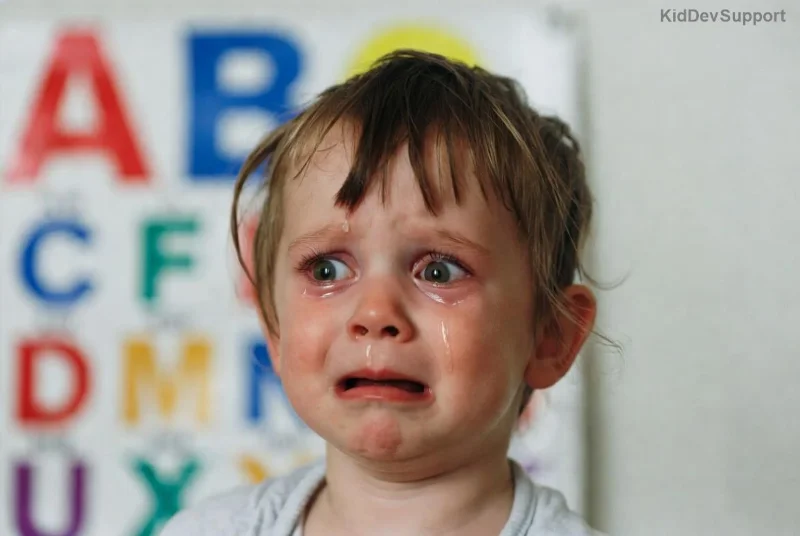
![Toddler struggling with speech delay]()
Not all rosy. Critics, including speech-language pathologists, warn of downsides:
| Drawback |
Impact on Late Talkers |
| Passive Listening |
Kids listen but don't respond, missing turn-taking essential for conversation skills. |
| Overstimulation |
Fast speech or complex phrases overwhelm, leading to frustration. 😔 |
| Dependency Trap |
Reduces human interaction, crucial for emotional language cues. |
The newest data from child development experts reveals unsupervised talking toys can widen speech delays if they replace parent-child talk time.
What Do Experts Say? Latest Insights on Talking Toys and Late Talkers
Organizations like the American Speech-Language-Hearing Association (ASHA) advise moderation. Their latest guidelines: talking toys are tools, not substitutes. A study in top pediatric journals found combined use with live modeling yields best results—children gained twice the words versus toys alone.
Pediatricians echo: screen for speech delay by 18 months. If confirmed, prioritize therapy over toys.
Smart Alternatives and Tips to Maximize Benefits
Balance is key. Try these evidence-based strategies:
- Pair with Parent Play: Press buttons together, then pause for your child's turn. "What does the toy say?" prompts response.
- Choose Simple Toys: Opt for 1-2 word phrases, slow speech, and customizable sounds.
- Limit Screen Time: Under 15 minutes daily to avoid overload.
- Boost Real Talk: Read books, sing songs, narrate daily routines—proven to accelerate speech 3x faster.
- Seek Pro Help: Early intervention programs show 80% success for late talkers. 🏆
For toy recs, look for those endorsed by therapists like Beginner Bunny or Smart Pal—focus on interactive, not passive.
FAQ: Your Burning Questions on Talking Toys for Speech Delay
Are talking toys recommended for all late talkers?
No—best for mildly delayed kids under supervision. Consult a specialist first.
At what age should I worry about speech delay?
Monitor from 12 months; act by 24 if under 50 words.
Can talking toys replace speech therapy?
Never. Therapy personalizes progress; toys support it.
Final Verdict: Good or Bad?
Talking toys aren't villains or heroes—they're neutral tools. For late talkers, they're good when guided by adults, enhancing engagement without dominating play. The real magic? Your voice and interaction. Start small, observe your child's cues, and track progress. If words bloom, celebrate! If not, professional steps await.
Ready to empower your late talker? Share your story below or consult a pro today. Your child's voice is worth it. 🌟